Understanding Electronic Logging Device

An ELD is a digital system. It's installed in trucks and buses. It records driving time and rest periods. The device connects to the engine.
It tracks when the engine runs. It notes when the truck moves. It logs how long the driver works. The FMCSA requires most drivers to use ELDs.
They must use ELDs instead of paper logs. This rule helps reduce crashes from driver fatigue. It also makes roads safer.
How Electronic Logging Device Works?
ELDs record key data every few seconds. They note date, time. And location. They track engine hours and miles. They show the driver's duty status.
This removes errors from paper logs. It also stops drivers from faking records. The device warns drivers before they hit driving limits. This helps them follow federal rules.
An ELD has two parts. One is a hardware unit in the truck. The other is a mobile app or website. The hardware plugs into the truck's port.
It collects engine data like ignition and motion. It sends this info to a secure server. Managers and inspectors can review it there. Drivers log in with a unique ID.
The ELD changes status automatically. It switches between driving, on-duty. And off-duty. It does this based on the truck's movement.
During inspections, officers can see ELD data. They can get it wirelessly or on a screen. The device makes reports for that day and the past seven.
If a driver goes over hours, the ELD flags it. The data can be used in court. It shows if the driver followed the rules.
Why Electronic Logging Device Matters?
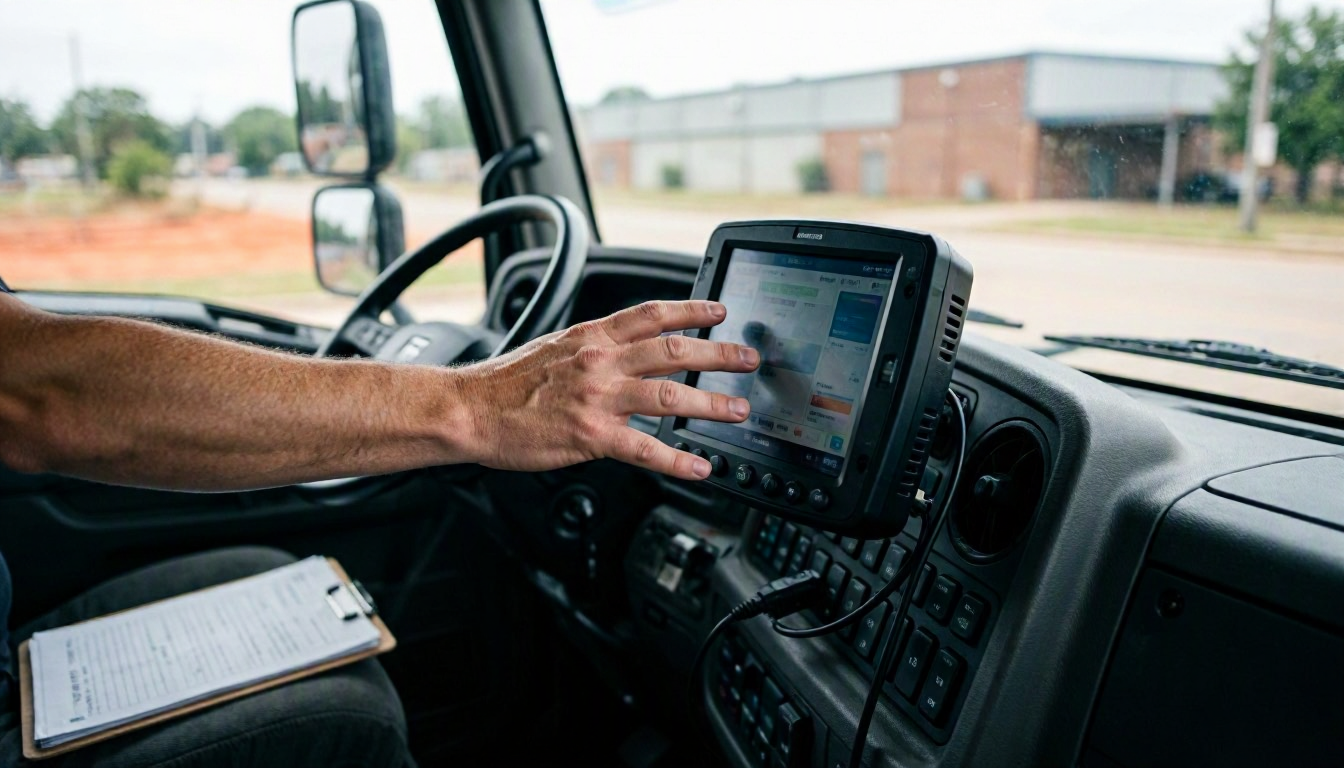
ELDs help reduce driver fatigue. Fatigue causes many truck crashes. Before ELDs, drivers could fake paper logs. This put everyone at risk.
ELDs make it hard to fake records. They ensure drivers take breaks. They stop drivers from going over safe limits. This makes roads safer for all.
For trucking companies, ELDs avoid fines. Breaking hours rules can cost money. It can also mean out-of-service orders. Insurance may cost more too.
After a crash, ELD data shows if the driver followed rules. This can be key in injury claims. It helps decide who's at fault.
When Electronic Logging Device Matters Most?
After a crash, ELD data is key. Investigators check the logs. They see if the driver was tired or over hours.
If logs show violations, it helps injury cases. It proves the driver was negligent. If logs show compliance, they defend the driver.
ELDs matter during inspections too. Officers check records for rule breaks. Violations can lead to fines or worse.
Trucking companies need good ELD records. They must pass safety audits. Bad records can disrupt their work.