Understanding Black Box Data

Black Box Data refers to the electronic records captured by a vehicle’s Event Data Recorder (EDR). Think of it as a digital witness to a crash. The EDR is a small device installed in most modern vehicles, designed to record technical details about the vehicle’s operation in the moments leading up to and during a collision. This data is stored in a format that can be downloaded and analyzed by professionals, providing an unbiased account of events that's often more reliable than eyewitness testimony.
The term "black box" comes from aviation, where flight data recorders store critical information about an aircraft’s performance. Similarly, a vehicle’s EDR records data points that can help investigators understand why an accident happened. For example, it can show whether the driver was braking, how fast the vehicle was traveling. And whether seatbelts were in use. This information is invaluable in personal injury cases, where determining fault and understanding the mechanics of a crash are essential.
How Black Box Data Works?
The Event Data Recorder (EDR) is typically located under the driver’s seat or dashboard and is connected to the vehicle’s computer systems. It continuously monitors and records data from various sensors throughout the vehicle, such as the speedometer, brake pedal, throttle position. And airbag system. But the EDR doesn't record audio or video; it only captures numerical data and system statuses.
When a crash occurs, the EDR saves a snapshot of the data from a few seconds before, during. And after the event. The exact duration and type of data recorded can vary by vehicle make and model. But most EDRs capture at least 5 seconds of pre-crash data. This snapshot is stored in the EDR’s memory and remains there until it's overwritten by new data or manually downloaded. To access this data, specialized software and hardware tools are required, often used by accident reconstruction experts, law enforcement. Or legal professionals.
It’s important to note that not all vehicles are equipped with EDRs. In the United States, the National Highway Traffic Safety Administration (NHTSA) has mandated that all new passenger vehicles manufactured after September 1, 2014, must include an EDR. But older vehicles may not have this technology. And even among newer models, the type and amount of data recorded can vary significantly.
Why Black Box Data Matters?
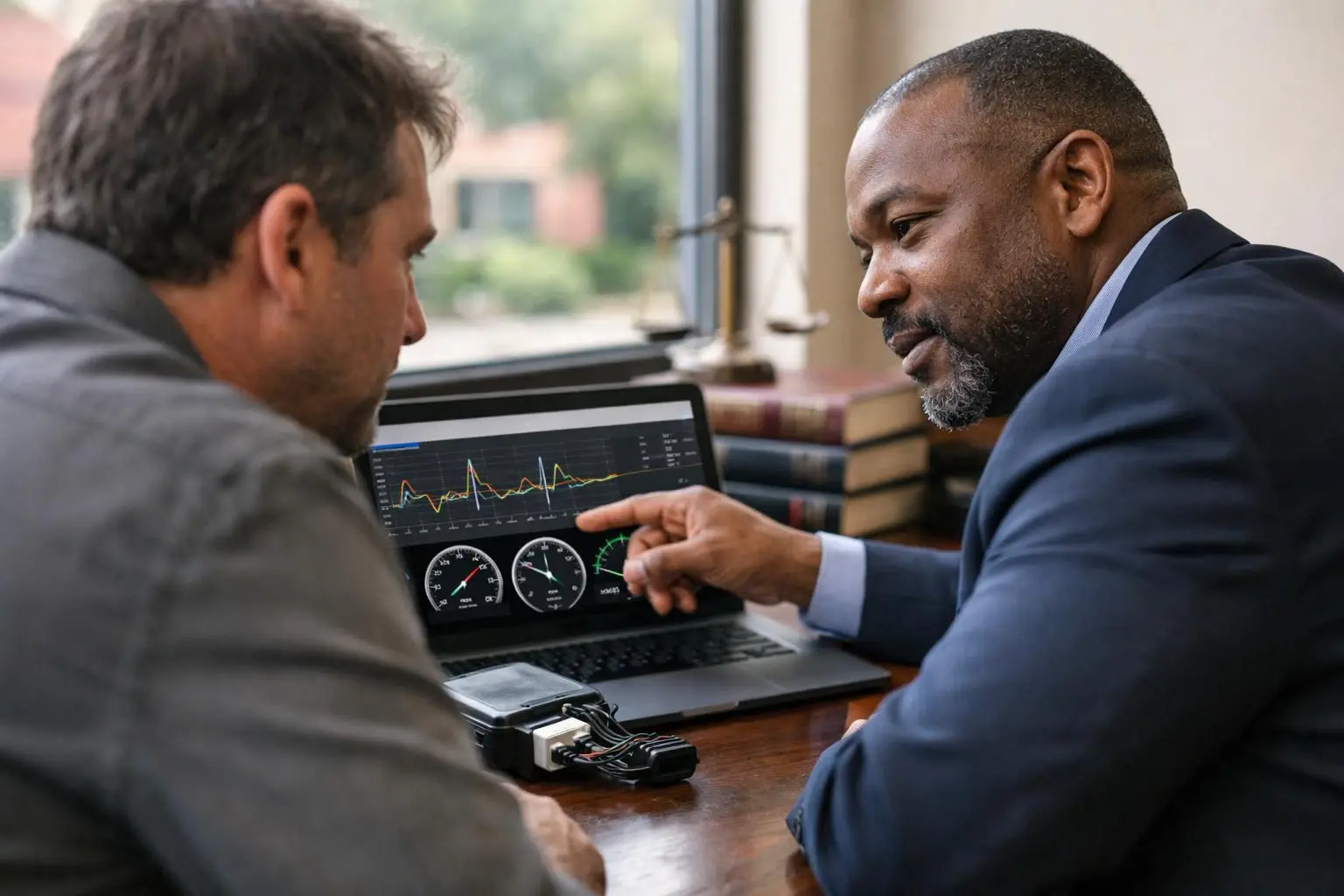
Black Box Data plays a critical role in personal injury cases because it provides objective evidence that can help determine fault and liability. In many accidents, the parties involved may have conflicting accounts of what happened. Eyewitness testimony can be unreliable due to stress, poor visibility. Or bias. Black Box Data. But offers a factual record of the vehicle’s actions, which can corroborate or refute claims made by drivers, passengers. Or witnesses.
For example, if a driver claims they were traveling at the speed limit but the EDR data shows they were speeding, this information can be used to establish negligence. Similarly, if the data reveals that a driver did not brake before a collision, it could indicate distracted driving or impairment. This evidence can be key in negotiations with insurance companies or in court, where the burden of proof often hinges on demonstrating what actually occurred during the accident.
When Black Box Data Matters Most?
Black Box Data is particularly important in cases where fault is disputed, injuries are severe. Or the accident involves multiple vehicles. In these situations, the data can help clarify the sequence of events and identify contributing factors, such as mechanical failure or driver error. For instance, in a multi-vehicle pileup, Black Box Data from each involved vehicle can help reconstruct the chain of events, showing which driver initiated the crash and how others reacted.
This data is also valuable in cases involving commercial vehicles, such as trucks or buses, where regulations require strict adherence to safety protocols. For example, if a truck driver is accused of violating hours-of-service rules or speeding, the EDR data can confirm or refute these claims. And Black Box Data can be crucial in hit-and-run accidents, where the identity of the at-fault driver is unknown. But the victim’s vehicle may have recorded data that can help identify the fleeing vehicle.
In Atlanta, GA, where traffic congestion and high-speed highways increase the risk of severe accidents, Black Box Data can be a deciding factor in personal injury claims. Local courts and insurance companies rely on this evidence to resolve disputes fairly, making it essential for accident victims and their legal representatives to preserve and analyze this data as soon as possible after a crash.