Skip to content

Workplace Accident Representation in Dunwoody, Georgia

Equipment makers must provide safe products and warnings under applicable safety rules. In Dunwoody, we assess how equipment design, maintenance, and workplace duties relate to the accident.

Upfront, Transparent PricingServing 52 CommunitiesMon-Sun: Open 24 hoursFast Scheduling

Quick Summary: Workplace Accident Legal Help in Dunwoody, Georgia

Workplace accident representation in Dunwoody is provided by Atlanta Auto Law for injury claims involving equipment makers, employers, contractors, property owners, or staffing agencies. The firm serves Atlanta, Fulton County, and nearby Georgia communities, with free consultations available.

  • What we do: Atlanta Auto Law provides Workplace Accident Representation in Dunwoody, Georgia for claims involving unsafe equipment, workplace negligence, and related injury losses.
  • What is included: Accident investigation, record review, insurance negotiation, settlement discussions, and trial representation.
  • What you get: The client receives a clear assessment of possible responsibility and a legal plan for pursuing fair compensation.

Who may be responsible for a workplace accident involving equipment?

Equipment makers, employers, contractors, property owners, or staffing agencies may be responsible when their conduct caused or contributed to the accident. The facts decide which claims fit.
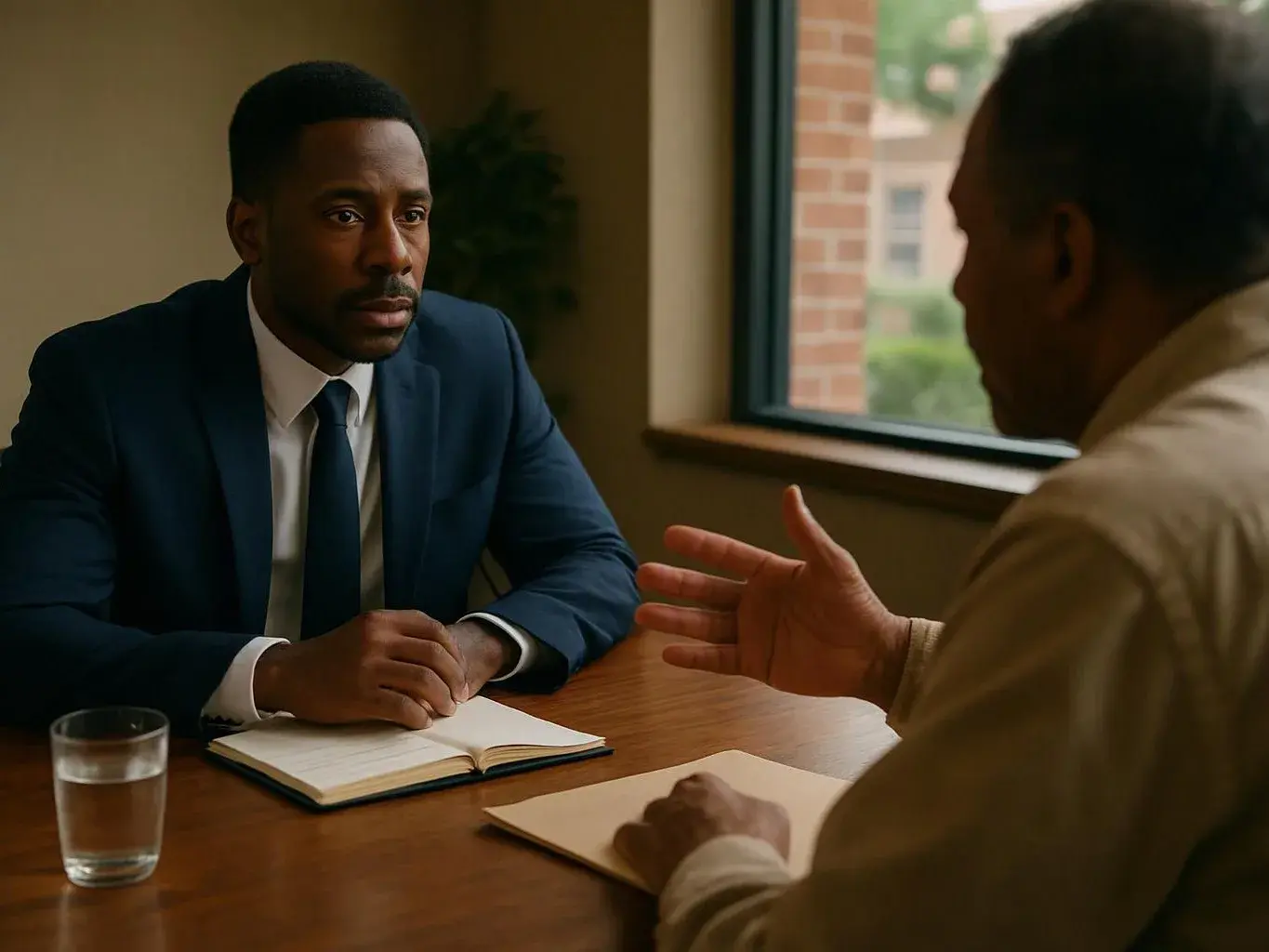
Workplace accident representation for equipment-related injuries in Dunwoody

Workplace accident representation addresses more than the fact that an injury happened at work. The key question is who controlled the risk, supplied the equipment, failed to warn, or caused the unsafe condition.

This page focuses on accidents where equipment makers may be responsible. Atlanta Auto Law also examines the roles of employers, contractors, property owners, and staffing agencies when the facts support those lines of inquiry.

The buyer's decision is often whether to pursue only workers compensation or examine a possible third-party claim as well. A third-party claim can involve product liability, premises liability, negligence, medical expenses, lost wages, and pain and suffering. We review the available records before recommending a path.

  • Identify who made, supplied, owned, or controlled the equipment.
  • Preserve accident reports, medical records, photographs, and work records.
  • Check whether warnings, instructions, maintenance records, or training addressed the hazard.
  • Separate workers compensation issues from possible third-party claims.
  • Assess whether insurance negotiations or litigation is the right next step.
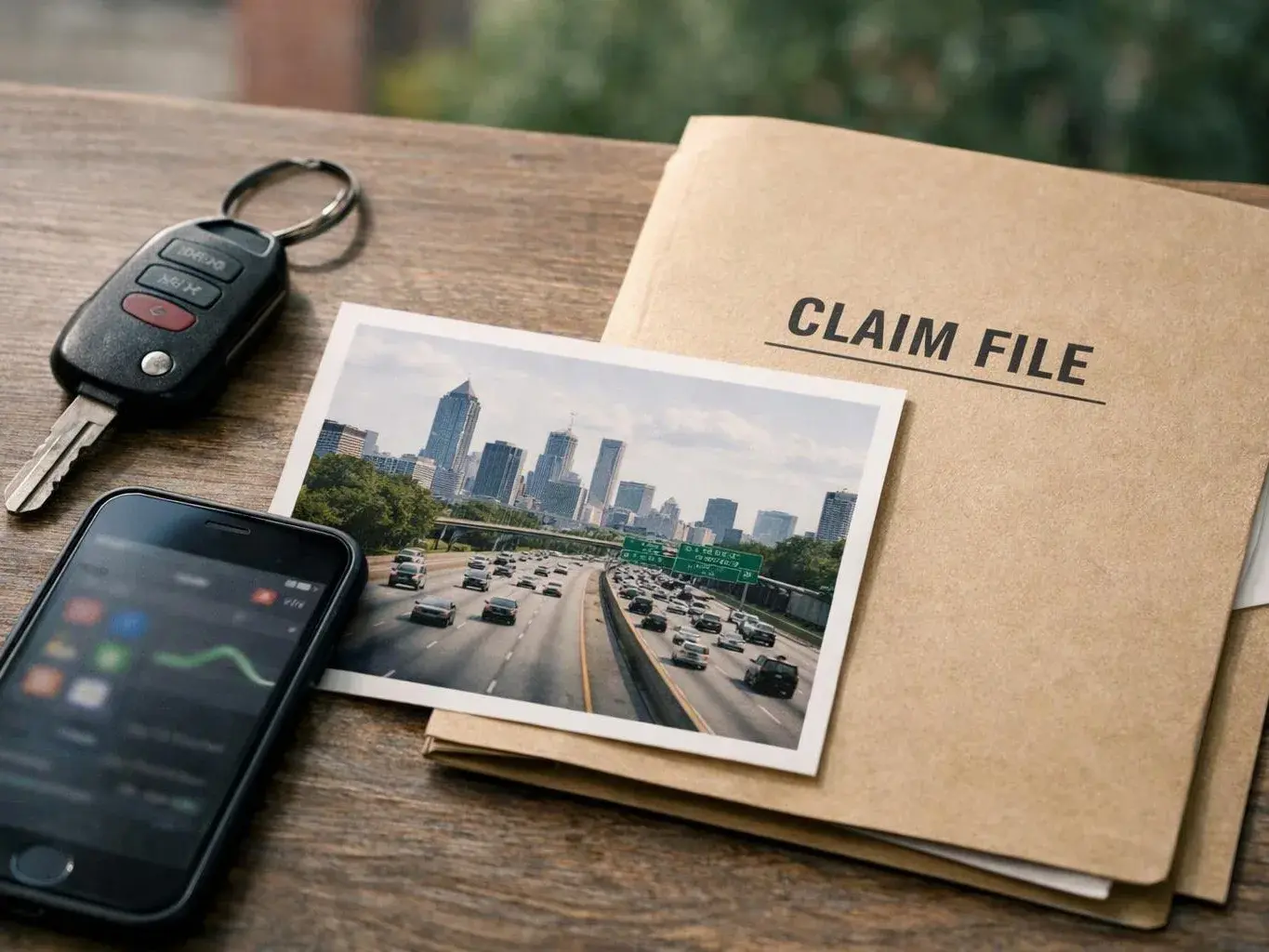
A claim file, car key, smartphone, and highway photo sit on a wooden table

Service Overview

Workplace accident representation is a legal service that examines an injury, identifies responsible parties, and pursues compensation through negotiation or litigation.

  • It differs from workers compensation because it may involve a third-party claim against an equipment maker, contractor, property owner, or another non-employer.
  • Atlanta Auto Law provides this representation for clients in Dunwoody and nearby Georgia communities.

What this legal review changes for an injured worker

A responsibility review helps separate an employer claim from a possible product liability or premises liability claim.

Record preservation protects details that can become harder to confirm after equipment is repaired, moved, or discarded.

A focused damages review connects medical expenses, lost wages, property damage, pain, and other losses to the claim.

Insurance negotiations are based on the records and facts gathered during the case review.

Trial-ready preparation gives the client a defined path when settlement discussions do not resolve the dispute.

What workplace accident representation includes

Atlanta Auto Law provides comprehensive Workplace Accident Representation in Dunwoody. Here's what you get:

  • We discuss the accident, your injuries, your work role, and the losses that followed.
  • We gather and review police reports, medical records, accident reports, wage records, and available equipment documents.
  • We assess possible responsibility involving equipment makers, employers, contractors, property owners, and staffing agencies.
  • We handle insurance negotiations and settlement discussions when those steps fit the claim.
  • We prepare for discovery, mediation, and trial representation when a fair resolution cannot be reached.
Process

How we handle a workplace accident claim

1

Discuss the accident and injury

We begin with the accident sequence, the work assignment, the equipment involved, medical care, and immediate financial losses.

2

Gather records and identify parties

We review medical records, accident reports, wage information, photographs, warnings, maintenance records, and insurance documents while identifying each party connected to the risk.

3

Assess workers compensation and third-party claims

We compare the employer relationship with possible claims involving an equipment maker, contractor, property owner, or staffing agency.

4

Build the demand and negotiation plan

We organize the evidence and losses for insurance negotiations or settlement discussions. Free consultations are available before this work begins.

5

Prepare for mediation or trial

If the claim does not resolve, we use discovery, mediation, and trial preparation to present the client's position.

How we approach responsibility in workplace accident claims

Responsibility is tested against the facts

We compare the accident report, equipment history, warnings, medical records, and work duties. This service is the wrong fit when no workplace injury or related legal claim exists.

Product claims need product details

A product liability review may require the model, instructions, warnings, maintenance history, and accident sequence. Those details help us assess whether a defect or warning issue supports a claim.

Workers compensation may not answer every question

Workers compensation can address an employee injury, but another responsible party may require a separate claim. We explain how the possible claims relate before you choose a legal path.

Possible legal paths after a workplace accident

These paths address different relationships and should be assessed from the accident records.

Possible claimMain issue reviewedTypical records
Workers compensationThe employment relationship and workplace injuryEmployer records, medical records, and wage information
Product liabilityA defective product or inadequate warningEquipment documents, warnings, maintenance records, and accident evidence
Negligence claimA party's failure to use reasonable careAccident reports, witness accounts, work duties, and medical records

The Atlanta Auto Law Standard

  • Careful Listening
  • Clear Explanations
  • Thorough Investigation
  • Clear Communication

Questions about workplace accident claims

How can I tell whether a third-party claim fits my workplace accident?

A third-party claim may fit when someone other than the employer contributed to the injury. Useful facts include who made or supplied the equipment, who controlled the work area, and who handled maintenance. Medical records and the accident report help connect the event to the claimed losses. A consultation can sort those issues before a decision is made.

What documents should I bring to the first consultation?

Accident reports, medical records, wage information, photographs, insurance letters, and work assignment documents give the first review a stronger factual base. Equipment instructions, warning labels, maintenance notes, and witness names can also matter. Bring what you have, even if the medical file or employer records are incomplete. We can identify the next records to seek.

Which part of the equipment decides the claim's legal scope?

The equipment's design, safety guard, control system, warning label, or maintenance history can change the legal scope. The important issue is how that feature relates to the accident and the injury. We compare the product documents with witness accounts, work records, and medical evidence. The review may support product liability, negligence, or no third-party claim.

When should I preserve the equipment after an accident?

The equipment should be preserved as soon as it is safe to do so and before repairs or disposal change its condition. Photographs, model information, warning labels, and maintenance records can help document what happened. Do not interfere with workplace safety or an official investigation. Tell us if the equipment has already been moved, repaired, or discarded.

Why might workers compensation not be the only legal issue?

Workers compensation addresses an employee injury, but it may not resolve a claim against a separate equipment maker, contractor, property owner, or staffing agency. Third-party claims can involve losses that require a different legal analysis. We review the employment relationship and the accident facts together. That review helps determine which claims should be considered.

What makes legal fees different in an equipment injury claim?

The number of responsible parties, the records required, the injury issues, and the need for litigation can change the work involved. Insurance disputes and product documents may require deeper review than a straightforward claim. Atlanta Auto Law discusses the fee arrangement during a free consultation. No exact cost is stated until the claim is assessed.
Contact

Discuss workplace accident representation in Dunwoody

Are you unsure who caused your workplace injury? Contact Atlanta Auto Law for a consultation, and urgent requests get priority scheduling.

Workplace Accident Representation in Other Areas

The information on this website is for general informational purposes only and is not legal advice, does not create an attorney-client relationship, and may not reflect current law in Atlanta, Georgia, United States. Every situation is different; consult a licensed attorney about your specific matter. Prior results do not guarantee a similar outcome.

(678) 235-3870