Skip to content

Rideshare Accident Representation in Tucker, Georgia

How much responsibility does the other driver carry after a rideshare crash in Tucker? We review the collision facts and insurance issues that shape the claim.

Licensed & InsuredUpfront, Transparent PricingServing 52 CommunitiesMon-Sun: Open 24 hours

Quick Summary: Rideshare accident claims in Tucker, Georgia

Rideshare Accident Representation in Tucker is handled by Atlanta Auto Law for injured people involved in rideshare collisions. The service covers fault review, insurance negotiations, settlement discussions, and trial representation throughout Atlanta, Fulton County, and nearby Georgia communities.

  • What we do: Atlanta Auto Law provides Rideshare Accident Representation for collision victims in Tucker, Georgia.
  • What is included: Fault review, evidence gathering, insurance negotiation, settlement discussions, and trial representation.
  • What you get: The client receives a clear assessment of responsibility and a defined path for pursuing compensation.

Who may be responsible for a rideshare collision in Tucker, Georgia?

The other driver may be responsible when that driver's conduct caused the collision. Fault review can also examine the rideshare driver, vehicle owner, employer liability, and road conditions. Police records, medical records, app details, witness accounts, and insurance information help identify the parties involved.
Supporting Clients Across Tucker

Rideshare collisions raise a question that ordinary car claims may not: who had control of the trip when the crash happened? Our review focuses on the other driver first, then checks the rideshare driver's conduct, vehicle ownership, employer liability, and road conditions.

The work fits passengers, rideshare drivers, other motorists, pedestrians, and families dealing with serious injury or wrongful death. We collect police and medical records, study available trip information, and assess how each fact supports or weakens a claim.

The buyer's decision is whether to handle insurance contact alone or seek legal guidance before making statements or accepting a settlement. We explain the available options, including negotiation, mediation, and trial representation. Every case turns on its own facts.

  • Identify which driver or party may have caused the collision.
  • Collect police reports, medical records, insurance details, and available trip records.
  • Separate injury losses from vehicle damage and other claim issues.
  • Review whether settlement talks or litigation fits the claim.
  • Ask for legal guidance before signing a release.
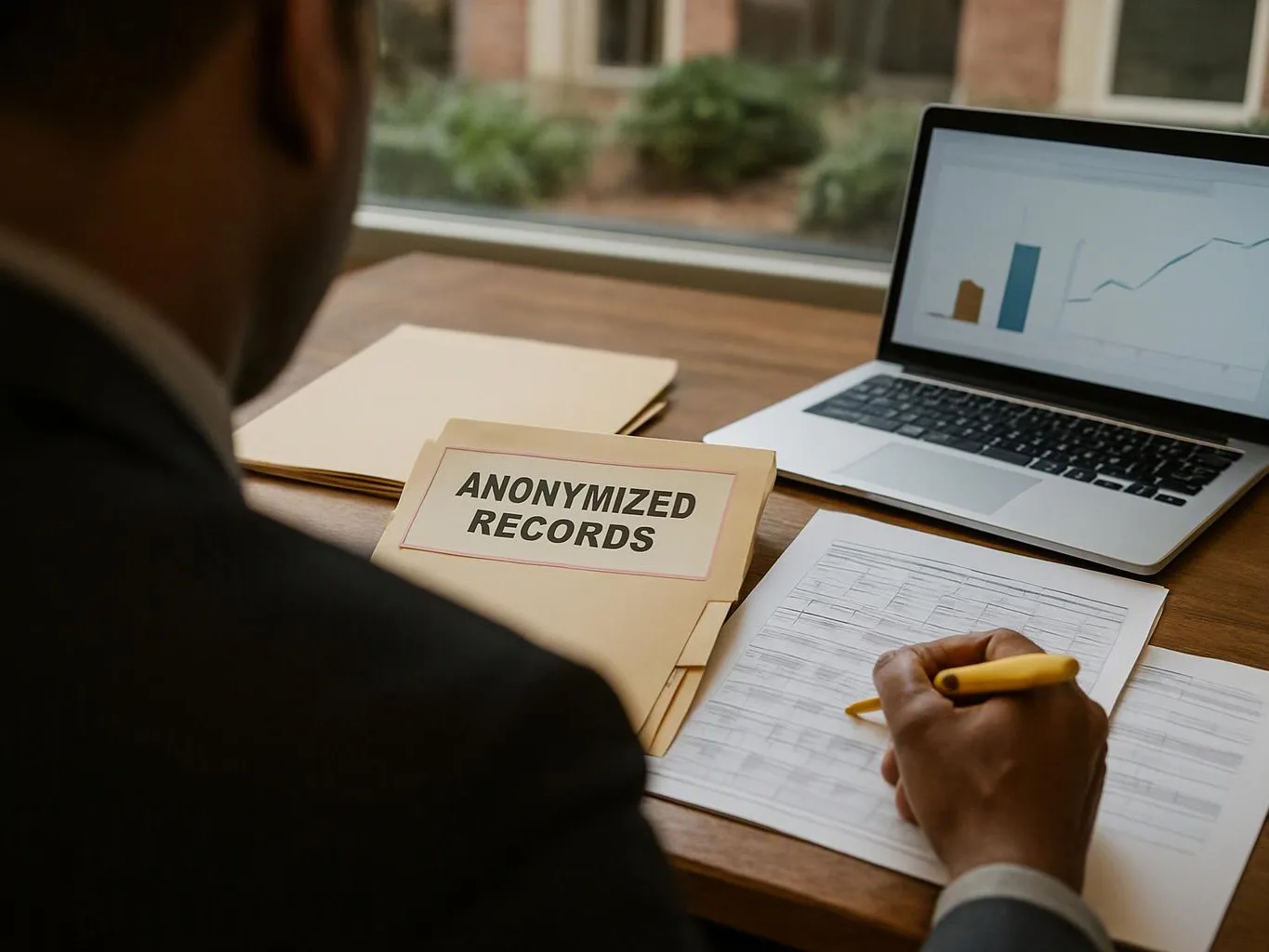
A person in a suit writes on paperwork beside a laptop and a folder labeled “ANONYMIZED RECORDS”

Service Overview

Rideshare accident representation is legal help that investigates a collision involving a driver using a rideshare platform and pursues a claim for an injured person.

  • It differs from a basic car accident claim because responsibility can involve more than the drivers, including the vehicle owner, an employer, or a rideshare company.
  • Atlanta Auto Law provides this representation in Tucker and serves clients throughout Atlanta, Fulton County, and nearby Georgia communities.

What rideshare collision representation includes

Atlanta Auto Law provides comprehensive Rideshare Accident Representation in Tucker. Here's what you get:

  • We investigate the crash and identify the facts that may support fault.
  • We review police reports, medical records, insurance information, and available trip details.
  • We communicate with insurers during claim review and settlement discussions.
  • We assess losses such as medical expenses, lost wages, property damage, and pain and suffering.
  • We prepare the claim for mediation or trial when settlement does not resolve the dispute.

When this service is the right fit

A hypothetical Tucker passenger may face questions about the rideshare driver's trip status, the other driver's conduct, and the available insurance policies after a collision. We would compare the police report, medical records, trip details, and witness accounts before advising on the next step.

What clients receive from this rideshare claim work

Fault review before settlement talks

We examine who caused the crash before discussing settlement value. A claim focused only on vehicle damage may not fit this service when no person reports an injury.

Georgia-focused legal knowledge

Our team applies Georgia personal injury knowledge to the records, insurance positions, and losses in the claim. We explain the legal choices in plain language.

Trial-ready claim preparation

Settlement is not the only path. We prepare evidence and legal arguments for litigation when negotiations do not resolve the dispute.

Process

How we handle a rideshare collision claim

1

Review the collision facts

We begin with the crash account, injury information, driver details, and available insurance records. This first review helps identify the main fault questions.

2

Gather records and evidence

Our team collects police reports, medical records, photographs, witness information, and available rideshare trip details. We organize the evidence around the disputed facts.

3

Assess responsibility and losses

We examine the other driver's conduct, the rideshare driver's role, vehicle ownership, employer liability, and road conditions. We also document medical expenses, lost wages, property damage, and pain and suffering.

4

Handle insurer communications

We manage insurance negotiations and settlement discussions based on the evidence and documented losses. The claim's facts guide the position we present.

5

Prepare for mediation or trial

If negotiations do not resolve the claim, we assess litigation steps and prepare for trial representation when the case calls for it.

What this legal help changes for you

A fault review helps separate the other driver's conduct from issues involving the rideshare driver or vehicle owner.

Record gathering gives the claim a documented basis for insurance negotiations.

Legal guidance helps you understand how medical bills, lost wages, and property damage fit into the claim.

A trial-ready approach keeps court representation available when settlement talks fail.

Clients receive a plan shaped around the facts of their collision, not a standard car accident script.

Parties reviewed in a rideshare collision claim

The table shows how each possible source of responsibility differs during the initial claim review.

Possible responsibility sourceWhat we examineWhy it matters
Other driverDriving conduct, crash account, police report, and witness evidenceThe other driver's fault may support the injury claim
Rideshare driverTrip details, driving conduct, and the driver's accountThe driver's role may affect fault and insurance questions
Vehicle ownerOwnership records and the vehicle's connection to the tripOwnership may raise separate responsibility questions
Employer liabilityWork relationship and facts surrounding the driver's activityThe relationship may affect who must answer for the conduct
Road conditionsReported roadway facts and evidence tied to the crashRoad conditions may add another issue to the fault review

The Atlanta Auto Law Standard

  • Careful Listening
  • Clear Explanations
  • Thorough Investigation
  • Clear Communication

Questions about rideshare collision claims

Who may be responsible for a rideshare collision?

The other driver may be responsible when that driver's conduct caused the collision. Fault review can also examine the rideshare driver, vehicle owner, employer liability, and road conditions. Police reports, witness accounts, trip information, and medical records help connect each fact to the responsibility analysis. Atlanta Auto Law handles this review for injured clients.

What records should I bring to a first consultation?

Police reports, medical records, insurance messages, photographs, and rideshare trip details are useful records.

  • Bring the crash report if you have it.
  • Include bills and treatment records.
  • Save messages from insurers or drivers.
  • Keep photos and witness details together.

Missing records should not stop you from asking about the claim.

How does a claim move from the first call to the last step?

The claim moves from an initial review to evidence gathering, fault analysis, insurance negotiations, and possible litigation.

  1. We discuss the collision and injuries.
  2. We collect records and assess responsibility.
  3. We present the claim during settlement talks.
  4. We consider mediation or trial if needed.

Each case follows the facts developed during review.

Which evidence changes the work required for a rideshare claim?

The number of disputed parties and the available evidence can change the work required. A claim may need deeper review when drivers give different accounts, injuries require ongoing treatment, or trip records are unclear. We focus on police reports, medical records, witness accounts, photographs, and insurance communications before advising on the next step.

When should I seek legal guidance after a rideshare crash?

Seek legal guidance before giving detailed statements or signing a settlement release when injuries or fault remain disputed. Early records can disappear, and an insurer's first position may not address every responsible party. We can review the facts even when all medical records are not yet available, then explain what should happen next.

Why can a rideshare collision involve more than one claim?

A rideshare collision can involve more than one claim because different people or entities may have different roles. The other driver may have caused the crash, while the rideshare driver's conduct, vehicle ownership, or employer relationship raises separate questions. We sort those issues by evidence instead of treating the incident as a basic two-car claim.

Can a personal injury case proceed to trial if settlement talks fail?

Yes, a personal injury case can proceed to trial when settlement talks do not resolve the dispute. Litigation may involve pleadings, discovery, evidence review, mediation, and courtroom presentation. Our trial-ready strategy begins with the facts gathered during the claim review, and we explain the risks and choices before each major step.
Contact

Discuss your rideshare collision claim in Tucker

Tell Atlanta Auto Law what happened and learn which legal options fit your claim; urgent requests get priority scheduling.

A hand places a braided lanyard with keys beside a blue folder labeled “CONSULTATION FOLDER” on a wooden table

ZIP Codes We Serve in Tucker, Georgia

3008430085

Rideshare Accident Representation in Other Areas

The information on this website is for general informational purposes only and is not legal advice, does not create an attorney-client relationship, and may not reflect current law in Atlanta, Georgia, United States. Every situation is different; consult a licensed attorney about your specific matter. Prior results do not guarantee a similar outcome.

(678) 235-3870