Who may be responsible for a rideshare collision?
The other driver may be responsible when that driver's negligence caused the collision. Atlanta Auto Law also reviews the rideshare driver, vehicle owner, employer liability, and road conditions. Police records, witness accounts, medical records, and vehicle information help shape the responsibility analysis. Each claim needs its own fact review before a legal position is chosen.
What happens during each stage of the legal process?
The legal process begins with an intake and evidence review, then moves through claim preparation and insurance negotiation. We may gather police records, medical records, wage documents, and ride details. If settlement discussions do not resolve the matter, discovery, mediation, and trial preparation may follow. The available path depends on the claim facts.
Which documents should I bring to a consultation?
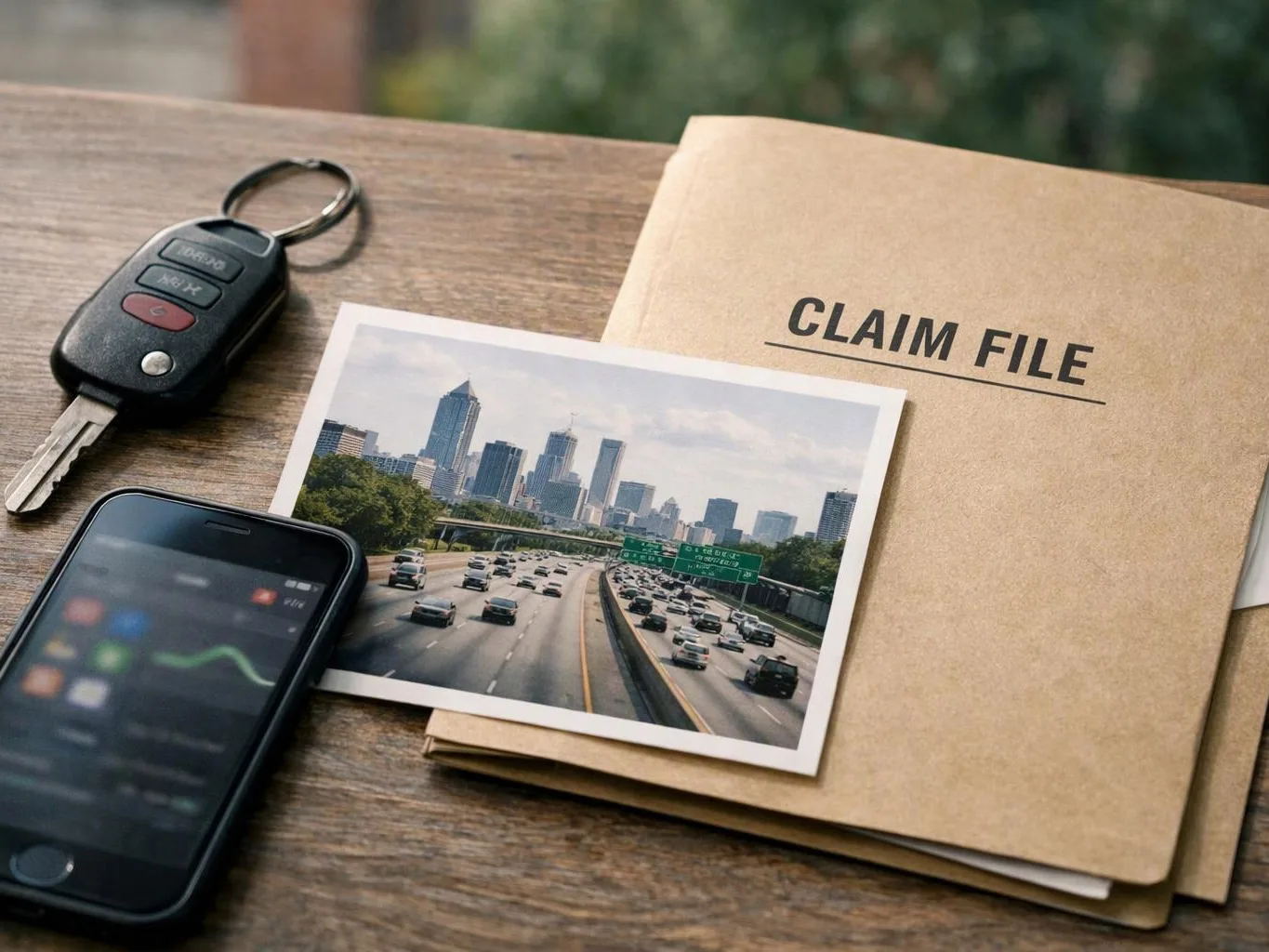
Crash reports, medical records, wage documents, insurance letters, and rideshare trip details help start the review. A person may still speak with us without every record. Our team can identify which documents matter most after hearing what happened and what treatment followed.
When should I speak with a lawyer after a rideshare crash?
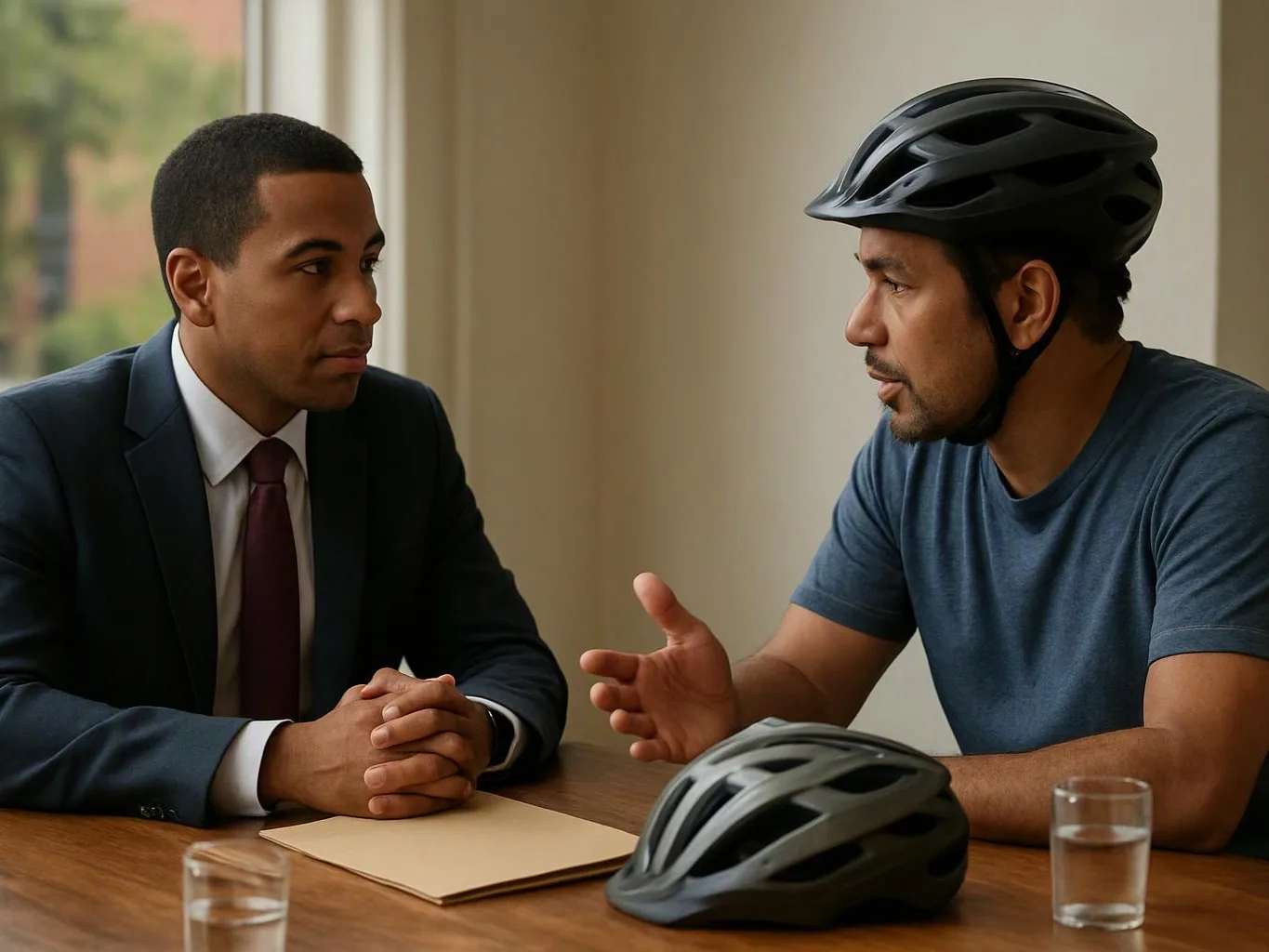
A person should speak with a lawyer when an injury, disputed fault, insurance issue, or lost income affects the claim. Early records can help preserve the collision facts and treatment history. We review the available information during a consultation and explain the next legal steps.
Why does a rideshare claim need more than vehicle damage records?
An injury claim needs proof of medical care and related losses, not only proof of vehicle damage. Medical records, wage documents, and treatment history help explain the impact of the collision. We review property damage separately so it does not replace the evidence needed for bodily injury.
How does a personal injury lawyer handle insurance negotiations?
A personal injury lawyer presents the claim evidence and responds to insurance positions during negotiation. We review the collision facts, treatment records, wage loss, and other documented harm before discussing settlement. A disputed claim may require discovery, mediation, or trial preparation when negotiation does not resolve it.
What makes a rideshare injury claim different from a basic car accident claim?
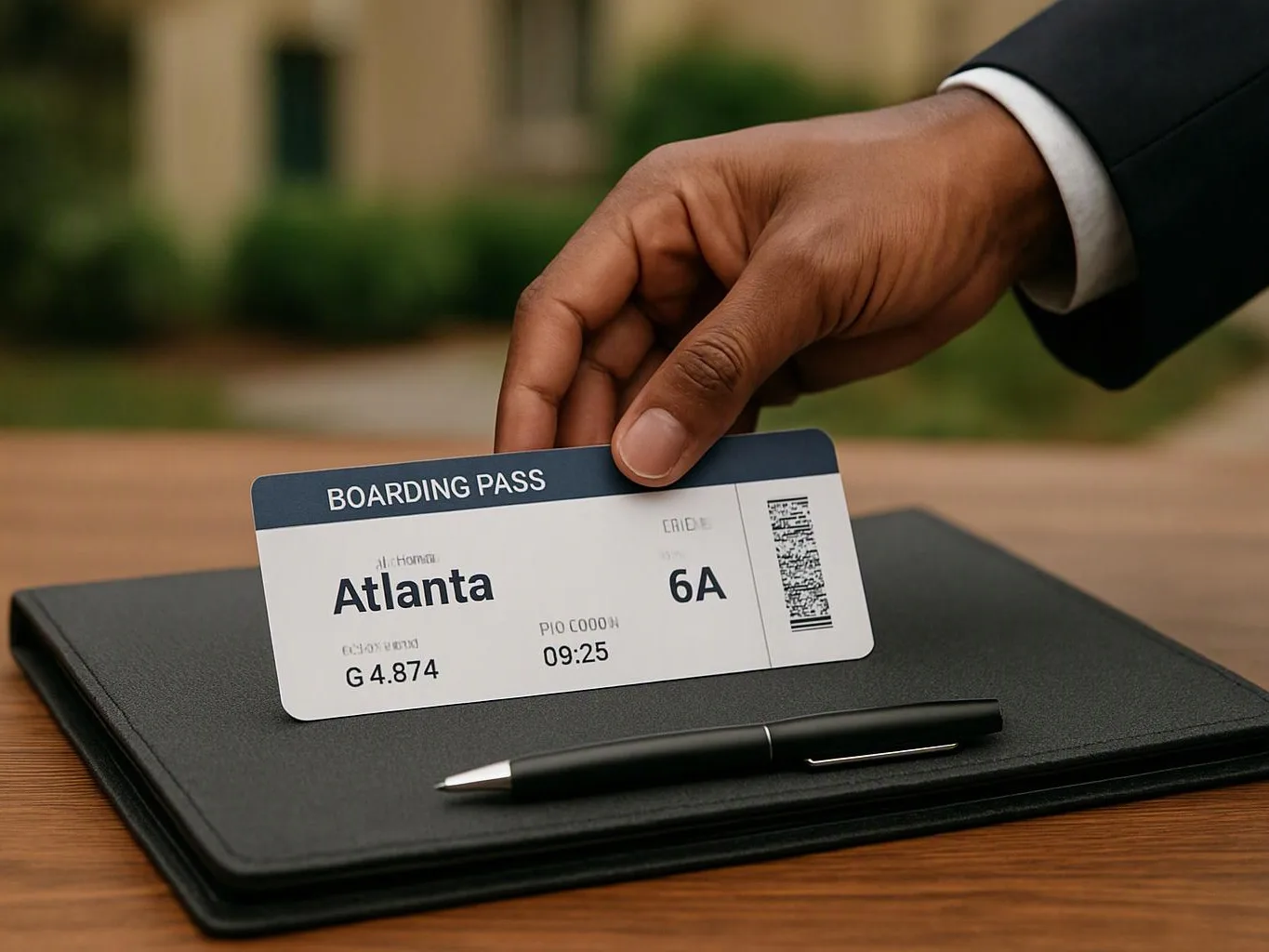
A rideshare injury claim may involve a passenger relationship, trip records, multiple responsible parties, and added insurance questions. The legal review still centers on fault, injury records, and documented losses. We examine the rideshare details alongside the crash report and medical evidence.