Preparing Traumatic Brain, Spinal Cord, Burn, and Amputation Injury Claims
Serious injury claim preparation starts with preserving evidence, organizing medical and financial records, documenting daily limitations, and preparing focused questions about traumatic brain, spinal cord, burn, or amputation injury representation. Atlanta Auto Law uses those materials to evaluate the claim and plan the next steps.
Request an EstimateWhat Should You Do First After a Serious Injury?
Serious injury claim preparation begins with following medical instructions, preserving evidence, recording what happened, and limiting detailed statements to information you can support. Atlanta Auto Law uses this early record to assess the claim and identify important next steps.
Our team organizes these materials with medical records, witness statements, and photographic evidence. That process helps connect the incident to the injury and supports later liability and damages review.
What Should You Bring to a Serious Injury Consultation?
Medical records and related documents help us understand the injury, treatment, financial effect, and daily impact. Bring what you have, even if the records are not complete.
Bring questions about liability, damages, medical evidence, and insurance communication. We can also explain how the consultation relates to How to Prepare for a Personal Injury Attorney Consultation.
How Do You Document the Effects of a Traumatic Brain Injury?
Traumatic brain injury documentation should connect symptoms, treatment, cognitive changes, and daily limitations to the injury through medical records and consistent personal observations.
Concussion symptoms may include memory changes, mood changes, trouble concentrating, fatigue, or other cognitive impairment. Record when symptoms appear, how they affect daily tasks, and whether family members or coworkers notice changes.
Neurological treatment, therapy, medication changes, and follow-up care can show the course of the injury. Care needs may include help with appointments, medication, household tasks, communication, or safety.
We compare medical evidence with personal observations and work information. That comparison helps explain both visible symptoms and limitations that may not appear during a short examination.
Which Records Help Explain Brain Injury Limitations?
Records that connect treatment to daily function provide the clearest explanation of brain injury limitations. Each source can show a different part of the injury’s effect.
- Neurology records: These may describe symptoms, testing, diagnoses, treatment, and changes over time.
- Neuropsychological evaluation: This may assess memory, attention, processing, and other cognitive functions.
- Therapy records: These can describe progress, continuing symptoms, and the need for support.
- Caregiver observations can explain behavior, memory changes, mood changes, and supervision needs.
- Work limitations can show problems with concentration, communication, attendance, or task completion.
- Household limitations can show changes in cooking, driving, shopping, cleaning, and personal routines.
We organize these records with a personal injury journal and witness information. Consistent details help support the connection between the traumatic brain injury and its functional limitations.
How Should You Prepare a Spinal Cord Injury Claim?
Spinal cord injury claim preparation should document the injury level, functional limitations, rehabilitation, equipment needs, home changes, and anticipated lifelong care.
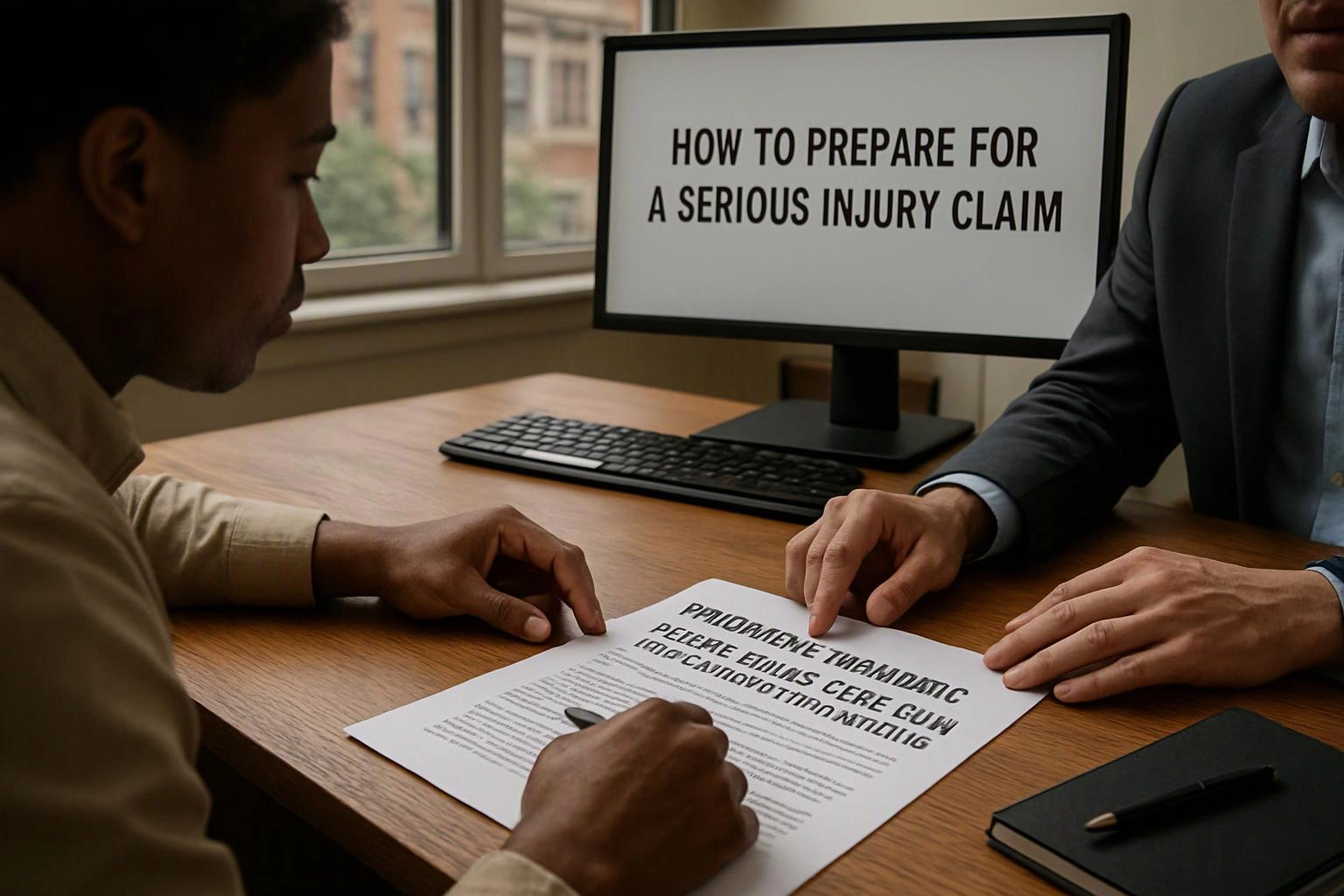
Paralysis and mobility impairment can affect transfers, bathing, dressing, transportation, work, and household tasks. Record what you could do before the injury and what now requires assistance or adaptive equipment.
Rehabilitation records can explain progress, ongoing limitations, and the care plan. Assistive devices, transportation changes, and home accessibility needs may also support the damages evaluation.
Our team reviews current treatment and future medical care needs together. We use that information to examine future medical expenses, life-care planning, lost earning capacity, pain and suffering, and other damages.
What Evidence Matters in a Burn Injury Claim?
Burn injury evidence should show the severity of the injury, the treatment required, lasting physical changes, and emotional harm. A clear record can connect the injury to pain, disfigurement, and future care.
| Evidence category | What it can help explain |
|---|---|
| Burn severity | The depth, location, treatment, and effect on bodily function. |
| Scarring and disfigurement | Lasting changes to appearance, movement, comfort, and daily activities. |
| Skin grafting | The procedures, recovery needs, pain, and continuing medical concerns. |
| Reconstructive treatment | Future procedures, functional goals, and potential care needs. |
| Pain and emotional harm | Physical discomfort, distress, anxiety, social effects, and changes in quality of life. |
Photographs, surgical records, treatment notes, and personal observations can support these categories. We review the records as a whole to evaluate economic damages and non-economic damages.
How Do You Organize an Amputation Injury Case?
Amputation injury case preparation organizes surgical evidence, rehabilitation, prosthetic needs, functional changes, pain, emotional effects, and future care requirements.
We organize the medical evidence with employment records, caregiver information, and daily observations. This approach helps explain permanent impairment and the need for future medical care.
What Questions Should You Ask About Serious Injury Representation?
Questions about serious injury representation should address evidence, liability, damages, medical documentation, insurance communication, case strategy, and how the legal team will work with you.
Ask how the injury claim evaluation will examine the incident, available liability evidence, and possible defenses. Ask which medical records and expert information may help explain the injury and future care.
Ask how the team will evaluate economic damages, non-economic damages, lost income, future medical expenses, and pain and suffering. Ask how settlement evaluation and lawsuit preparation may affect the case strategy.
Ask who will communicate with the insurance adjuster and how important updates will reach you. You may also ask how the team will support your family while treatment and rehabilitation continue.
Questions about fees and agreements can be addressed through How Personal Injury Attorney Fees and Agreements Work. We explain the representation process in clear terms during a legal consultation.
How Atlanta Auto Law Reviews Serious Injury Claims
Atlanta Auto Law reviews serious injury claims by organizing the evidence, examining liability and damages, and explaining available representation during Free Consultations.
Our claim investigation begins with incident evidence, medical records, witness information, and insurance correspondence. We look for facts that support liability and connect the incident to the injury.
We review economic damages such as medical bills, lost income, lost earning capacity, rehabilitation, and future medical care. We also assess non-economic damages such as pain and suffering, emotional harm, disfigurement, and permanent impairment.
Our team uses the available records to guide settlement evaluation and lawsuit preparation. We explain the next steps and help you understand how the evidence may affect the insurance claim.
Questions About Serious Injury Claim Preparation
What documents are needed for a serious injury claim?
Atlanta Auto Law uses medical records, medical bills, incident reports, insurance correspondence, employment records, photographs, witness information, and care documentation to evaluate a serious injury claim.
How do medical records support a catastrophic injury case?
Medical records support a catastrophic injury case by showing diagnosis, treatment, symptoms, functional limitations, rehabilitation, and future care needs.
Should you speak with an insurance adjuster after a serious injury?
Insurance communication should remain accurate and limited to information you can support. Avoid guessing about fault, recovery, or future losses, and consider obtaining legal guidance before giving detailed statements.
How are future care needs documented in a serious injury claim?
Future care needs are documented through treatment records, rehabilitation records, provider recommendations, equipment information, home accessibility needs, and life-care planning.
What should family members record after a traumatic brain injury?
Family members should record memory changes, mood changes, care needs, missed activities, work limitations, household limitations, and other consistent changes after the traumatic brain injury.
Serious injury claim preparation gives our team the information needed to examine liability, document damages, and plan a clear legal strategy. Contact Atlanta Auto Law for a legal consultation about your traumatic brain, spinal cord, burn, or amputation injury claim.