Who may be responsible for a rideshare collision?
The other driver may be responsible when that driver's negligence caused the collision. Atlanta Auto Law also reviews the rideshare driver, vehicle owner, employer liability, and road conditions when the facts support those issues. Police records, witness accounts, vehicle damage, and medical records help us assess responsibility. We explain which parties belong in the claim before settlement discussions begin.
What should be checked before representation is scheduled?
The initial review should confirm the collision, the injuries, the people involved, and the available records. Helpful documents include the police report, medical bills, treatment notes, photographs, insurance letters, and rideshare trip details. Missing medical records do not always prevent a consultation. We identify what can be gathered next.
How does Atlanta Auto Law handle the first consultation?
Atlanta Auto Law reviews the crash facts, injury treatment, insurance contact, and possible responsible parties during the consultation. The discussion helps define the claim and the records needed for investigation. Bring documents you already have, but do not delay a discussion because one record is still pending.
What happens at each stage of the claim?
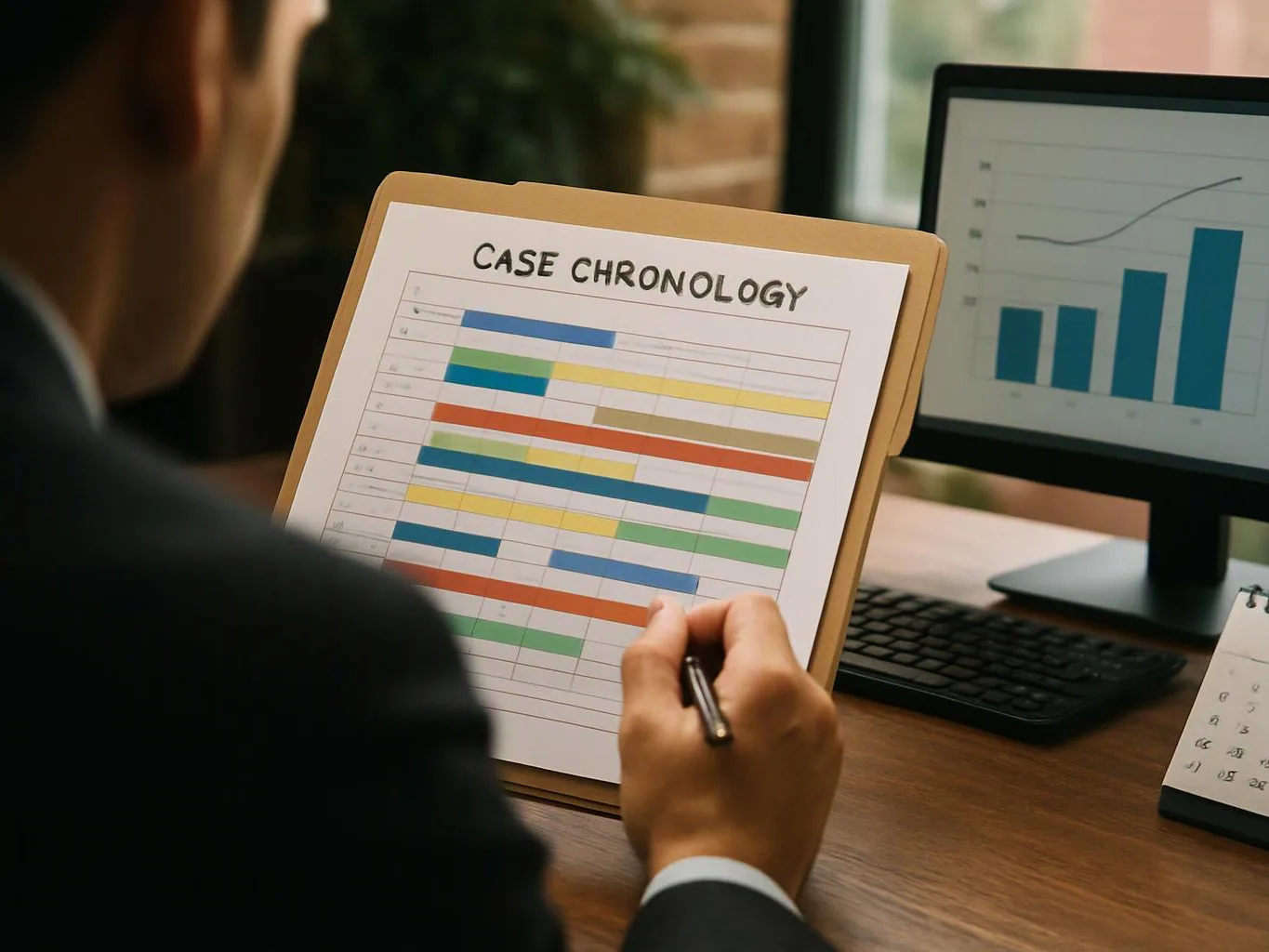
The claim moves from intake and evidence gathering to fault review, demand work, negotiation, and possible litigation. We first organize the facts and medical proof. We then address insurers and settlement terms. Discovery, mediation, or trial may follow when the dispute remains unresolved.
Which records help prove a rideshare injury claim?
Police reports, medical records, wage records, photographs, witness details, and insurance communications often help prove the claim. Rideshare trip information can also clarify who was using the vehicle and when. Keep original messages and notices, and give us copies during the document review.
When should I discuss a rideshare collision with an attorney?
You should discuss the collision when injuries, disputed fault, several insurers, or a denied claim make the next step unclear. Early review helps organize evidence and protect the claim from avoidable mistakes. Treatment records can continue to develop after the first consultation.
Why might a rideshare claim need trial preparation?
Trial preparation may be needed when the parties dispute fault, injury cause, or the value of documented losses. We use discovery and case evidence to test those disputes before recommending mediation or trial. A settlement remains a decision based on the facts and the client's legal position.