Who may be liable for a dangerous or defective product?
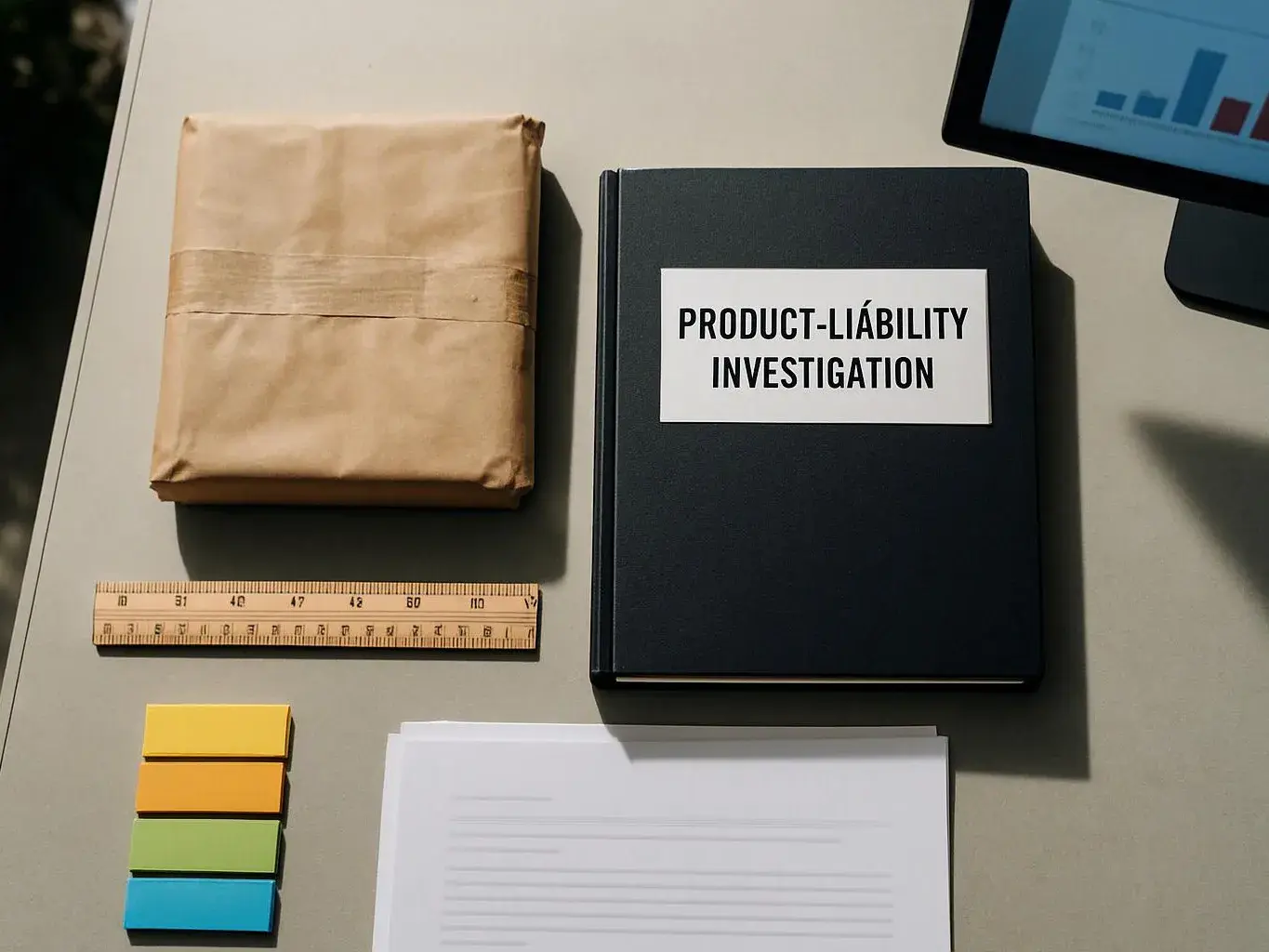
Manufacturers, distributors, retailers, or importers may face liability when a product defect or warning issue causes injury. Atlanta Auto Law reviews each party's role, the product records, and the injury evidence. The product's design, condition, instructions, and path to the buyer can affect the analysis. Preserve the product and related packaging before making changes.
How does a product claim move from the first call to the last step?
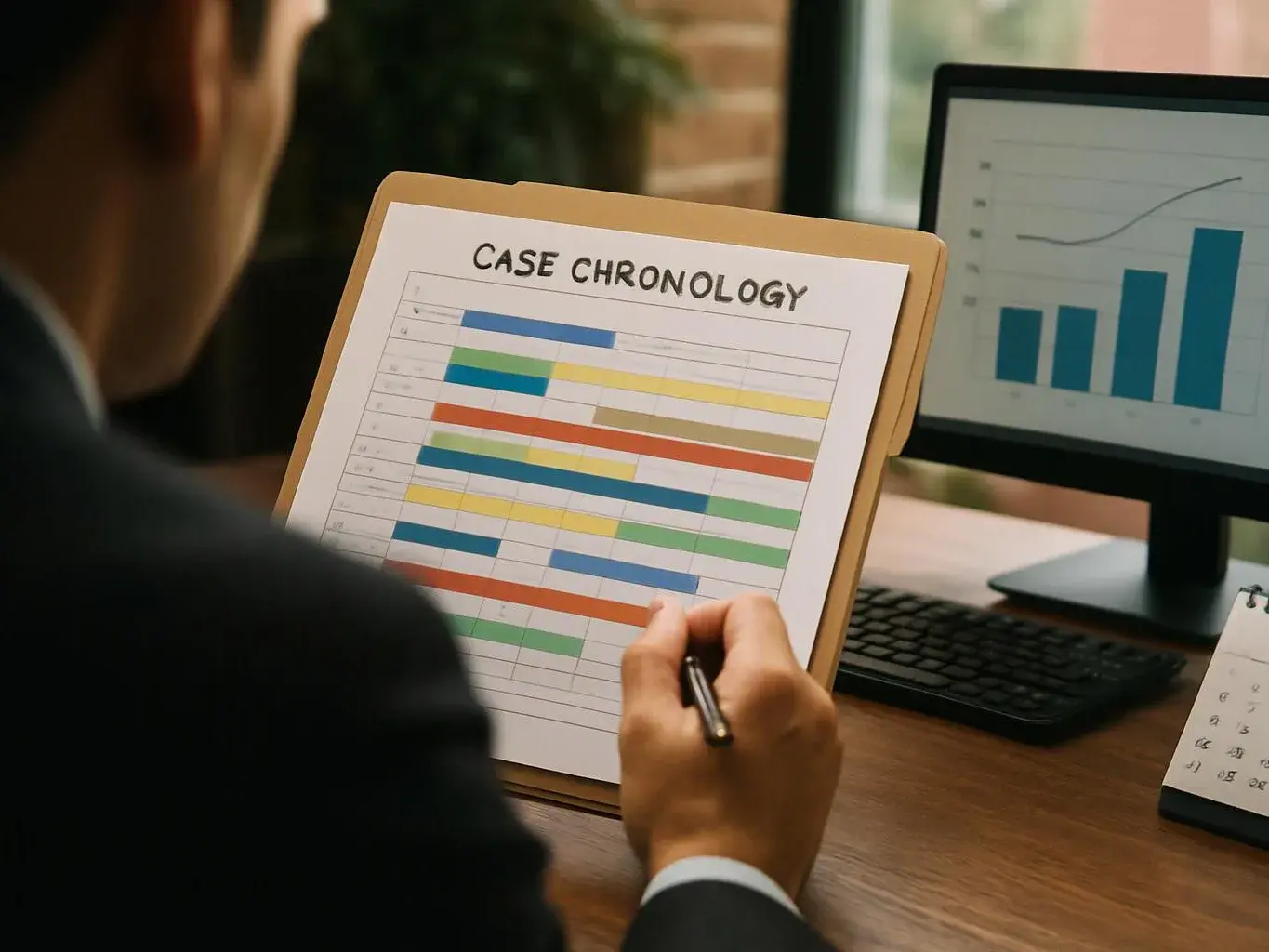
The claim moves through consultation, evidence review, liability analysis, insurance discussions, and a resolution decision. We begin with the product and injury facts. Clients then help gather records and preserve physical evidence. The matter may proceed through settlement, mediation, discovery, or trial based on the facts and the opposing party's position.
Which product material changes how long the legal review takes?
The product's condition, packaging, warnings, and available records can change the time needed for legal review. A preserved product gives the claim more to examine. Missing instructions or damaged packaging can require other evidence, such as purchase records, photographs, medical records, and witness accounts. We explain the next document request after reviewing the available facts.
What documents should I bring to a product injury consultation?
Purchase records, product photographs, packaging, instructions, medical records, bills, and insurer letters are useful documents. Bring the product itself when it can be preserved safely. A police report, wage information, and messages about the incident can also help. Our review can begin with partial records while other documents are gathered.
When does a product claim involve more than an insurance negotiation?
A product claim involves more than insurance negotiation when liability, evidence, or damages remain disputed. Discovery may require written questions, document requests, and testimony. Mediation can address settlement, while trial preparation addresses a contested claim. Our team explains the next step after reviewing the insurer's position and the supporting records.
Why should I keep the product after an injury?
Keeping the product preserves physical evidence that may show a defect, warning issue, break, or change after the incident. Do not repair, discard, or modify it before legal review. Store the product and packaging safely, take photographs, and keep purchase records together. Those steps help connect the product to the reported injury.
How does a personal injury attorney review medical losses in a product claim?
Medical records, bills, treatment notes, and wage information help document losses tied to the product injury. We review how the injury affected care, work, and daily life. Property damage and pain and suffering may also matter. The record should connect the claimed losses to the event and the resulting medical treatment.