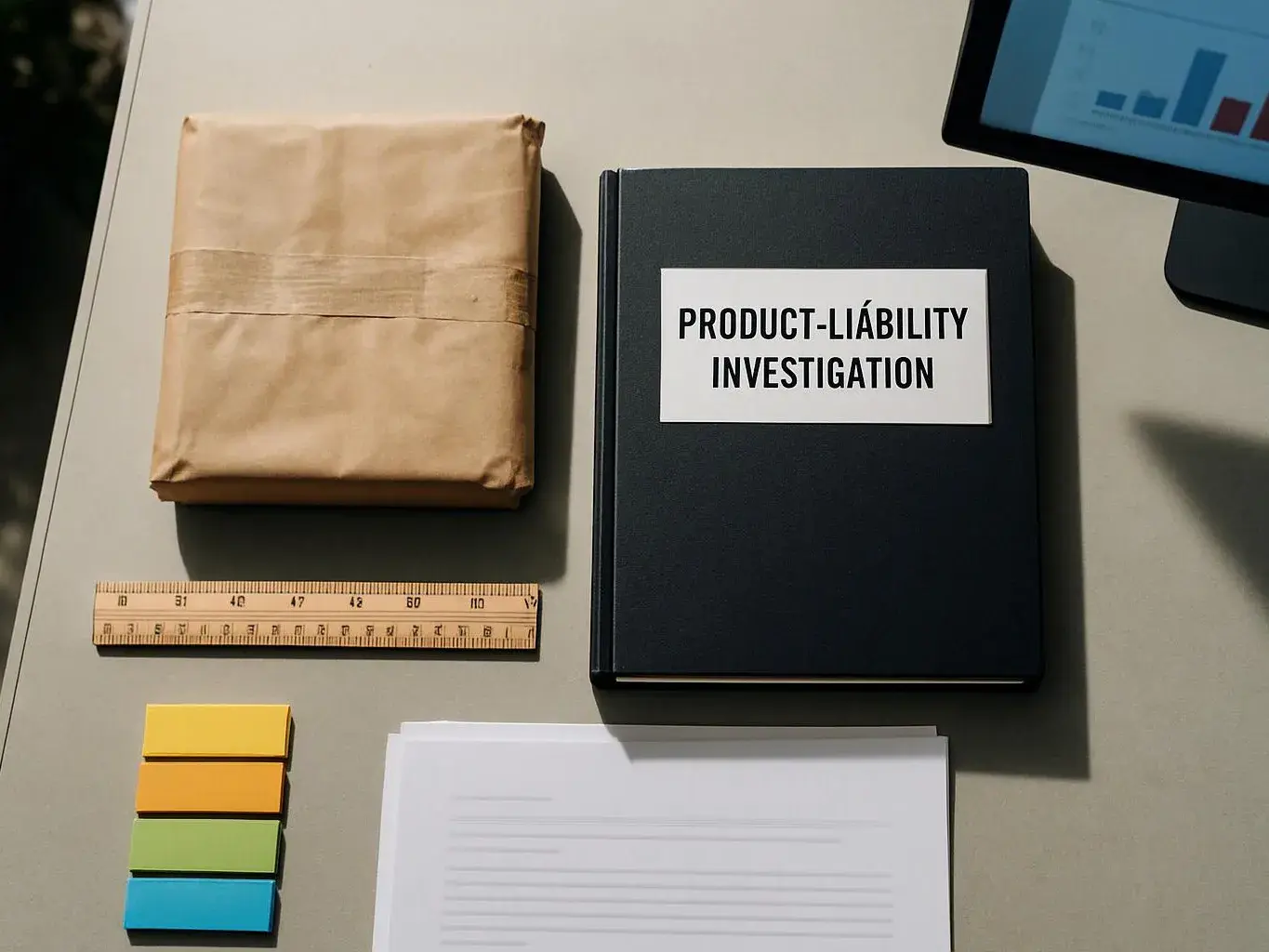
What evidence helps establish that a product caused an injury?
Purchase records help connect the product to the injured person and the date of the incident.
- Preserve the product and packaging.
- Save instruction manuals and warnings.
- Keep accident photographs and medical records.
- Record witness details and the product’s use.
Atlanta Auto Law compares these materials with the injury account and insurance records.
How should I preserve a product after an injury?
The product should remain unchanged and available for review. Keep it in a safe place with its packaging, manuals, receipts, and photographs. Do not repair, discard, return, or alter the item before discussing preservation with our team. A damaged product can still provide useful evidence about its condition and the event.
Which records should I bring to a first consultation?
Medical records, purchase documents, photographs, manuals, and insurer letters give the first review a useful base. Bring the product if it can be stored safely, along with witness information and a short incident timeline. Missing medical records do not prevent an initial discussion, because our team can identify what should be requested.
When does a product warning become important evidence?
A product warning becomes important when the stated risk, missing instruction, or warning placement relates to the injury. Our team compares the warning with the product’s use and the harm reported. Keep the original manual, packaging, labels, and photographs. Do not rely on a replacement manual because wording and safety details can differ.
What should I ask before agreeing to legal representation?
A client should ask what evidence supports the claim, what work the representation includes, and how legal fees and case costs are handled. Ask how insurance negotiations, discovery, mediation, and trial would fit the matter. Atlanta Auto Law explains the proposed scope and next steps during the consultation.
How is a product injury claim matched to the facts before work starts?
The claim is matched to the facts through an intake review of the product, injury, use, records, and possible losses. We also ask whether a traffic collision, premises issue, or medical event better explains the harm. That distinction helps place the matter with product liability, car accident, premises liability, or another legal service.
Why can an insurer question a product injury claim?
An insurer may question the product’s condition, the way it was used, the cause of the injury, or the amount of loss. Our team answers those issues with records, photographs, medical evidence, and a clear event timeline. A denied claim or insurance dispute calls for careful review before you accept a position or give further statements.