What types of products may support a product liability claim?
Household appliances, vehicle parts, children's products, and industrial equipment may support a product liability claim. Atlanta Auto Law reviews the product's design, manufacture, warnings, instructions, and connection to the injury. The product does not need to be new, but the available records and the facts of use matter.
How can I tell whether a product claim fits my injury?
A product claim fits when a product defect or unsafe warning connects to the injury. The key review covers the product's condition, intended use, warnings, purchase history, and medical records. Our team also considers other causes, because an injury event can involve both product issues and separate acts of negligence.
Which product feature decides the legal review?
The feature tied to the injury usually guides the legal review. A missing guard, weak part, unsafe control, or unclear warning can raise different questions. We compare that feature with the instructions, photographs, repair history, and account of how the product was used.
What documents should I bring to a product claim consultation?
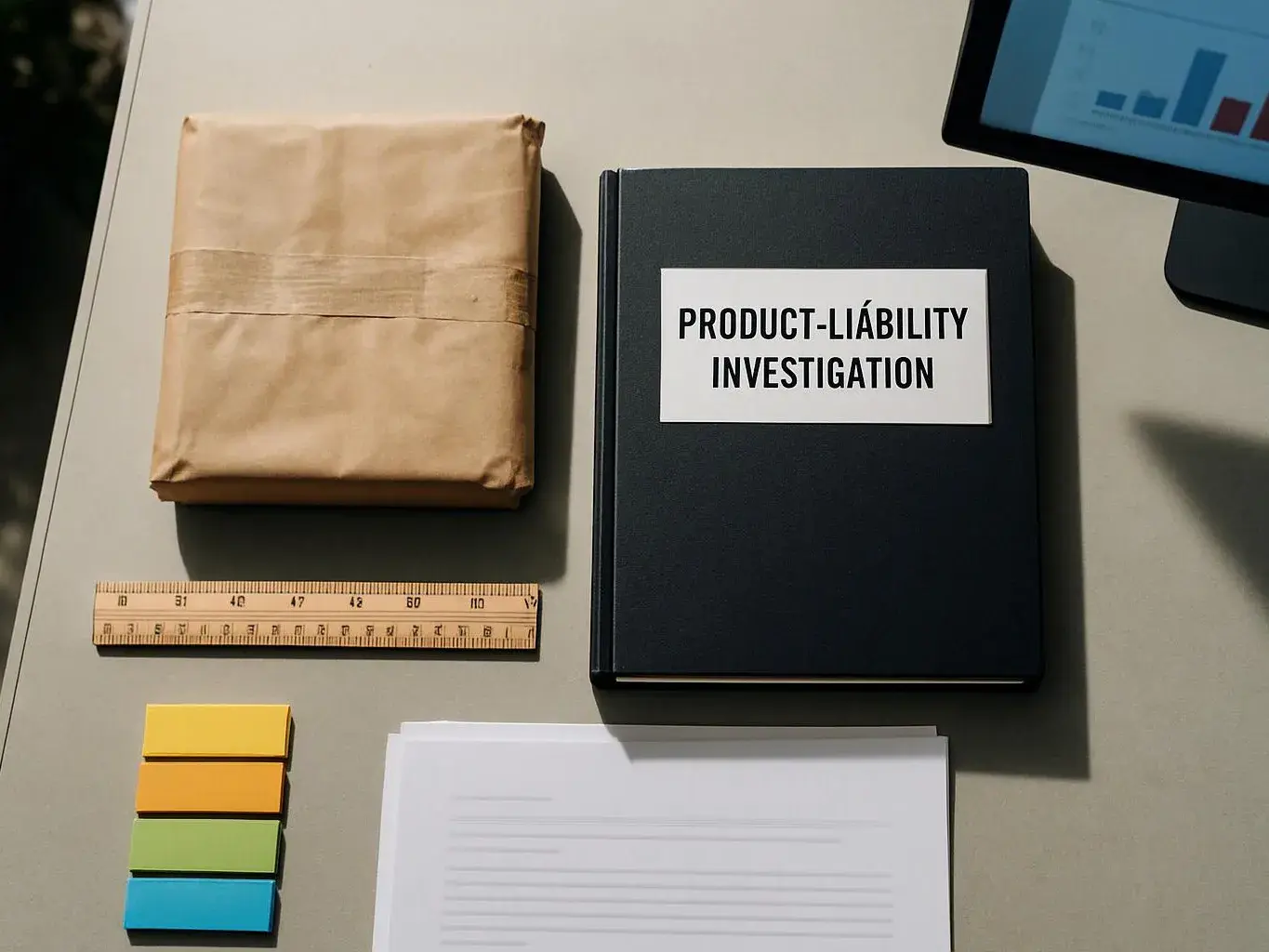
Product records, medical records, photographs, purchase details, and insurer communications are useful at the first consultation.
- Keep manuals, warnings, packaging, and receipts.
- Bring repair orders and photographs of the product.
- Include medical bills, treatment records, and wage information.
Atlanta Auto Law can review the available materials even when the file is incomplete.
When should I preserve the product after an injury?
The product should be preserved as soon as possible after the incident. Do not repair, discard, clean, or alter the item when it may relate to the injury. Save connected packaging and instructions, take photographs, and record who has possession of the product before discussing detailed facts with an insurer.
Why might a product claim involve more than one company?
A product claim can involve more than one company because design, manufacture, distribution, and sale may involve separate businesses. The available records help identify each role. We review product labels, purchase information, shipping materials, and insurer communications before assessing the parties and the claim path.
What does representation cover beyond insurance negotiations?
Representation can include investigation, demand letters, settlement discussions, discovery, mediation, and trial preparation. The work also covers medical records, lost wages, property damage, pain and suffering, and other supported losses. The proper mix depends on the product, injury, evidence, and position taken by the insurer.