Skip to content

Driver-Assistance & Automated-Driving Collision Claims in Smyrna, Georgia

Vehicle data helps explain what happened in Smyrna after an automated-driving collision. We review the available records and connect them to your injury claim.

Upfront, Transparent PricingServing 52 CommunitiesMon-Sun: Open 24 hoursFast Scheduling

Quick Summary: Automated-driving collision claims in Smyrna, Georgia

Driver-Assistance and Automated-Driving Collision Claims in Smyrna are handled by Atlanta Auto Law for vehicle-related injuries across Atlanta, Fulton County, and nearby Georgia communities. The service includes insurance negotiations, settlement discussions, and trial representation when necessary.

  • What we do: Atlanta Auto Law handles Driver-Assistance and Automated-Driving Collision Claims in Smyrna, Georgia, including evidence review, insurance negotiations, settlement discussions, and trial representation when necessary.
  • What is included: We assess vehicle data, sensor logs, software updates, crash reconstruction records, traffic footage, medical records, and insurance communications when those materials relate to the collision.
  • What you get: The client receives a clear claim assessment, an evidence-based legal position, and representation through negotiation or trial when necessary.

How can I pursue a claim after an automated-driving collision in Smyrna, Georgia?

Vehicle data can support an automated-driving collision claim when it connects system activity to the crash and resulting injuries. Atlanta Auto Law reviews available records, medical documentation, police reports, insurance communications, and related evidence. We then assess fault issues, damages, and the proper path for pursuing compensation under Georgia personal injury law.
Automated-driving collision claims in Smyrna, Georgia

Automated-driving collision claims focus on a specific question: what did the vehicle system do, what did the driver do, and how did those actions relate to the injury? This work suits people hurt in a crash involving lane support, adaptive cruise control, automated braking, or other driver-assistance features.

The key decision is whether the available records support a claim against a driver, vehicle owner, manufacturer, or another responsible party. We do not assume that a system warning proves fault. We compare the available records with the crash account, medical records, police report, and insurance position before advising you.

The work serves injured people in Smyrna, Cobb County, Atlanta, Fulton County, and nearby Georgia communities. It is distinct from a basic vehicle damage claim because it addresses bodily injury, lost wages, medical expenses, pain and suffering, and other losses.

  • Identify which driver-assistance feature was active or reportedly active.
  • Preserve vehicle records, phone records, photographs, and insurance messages.
  • Request police and medical records tied to the collision.
  • Compare system information with witness accounts and traffic footage.
  • Document medical care, missed work, and other accident-related losses.
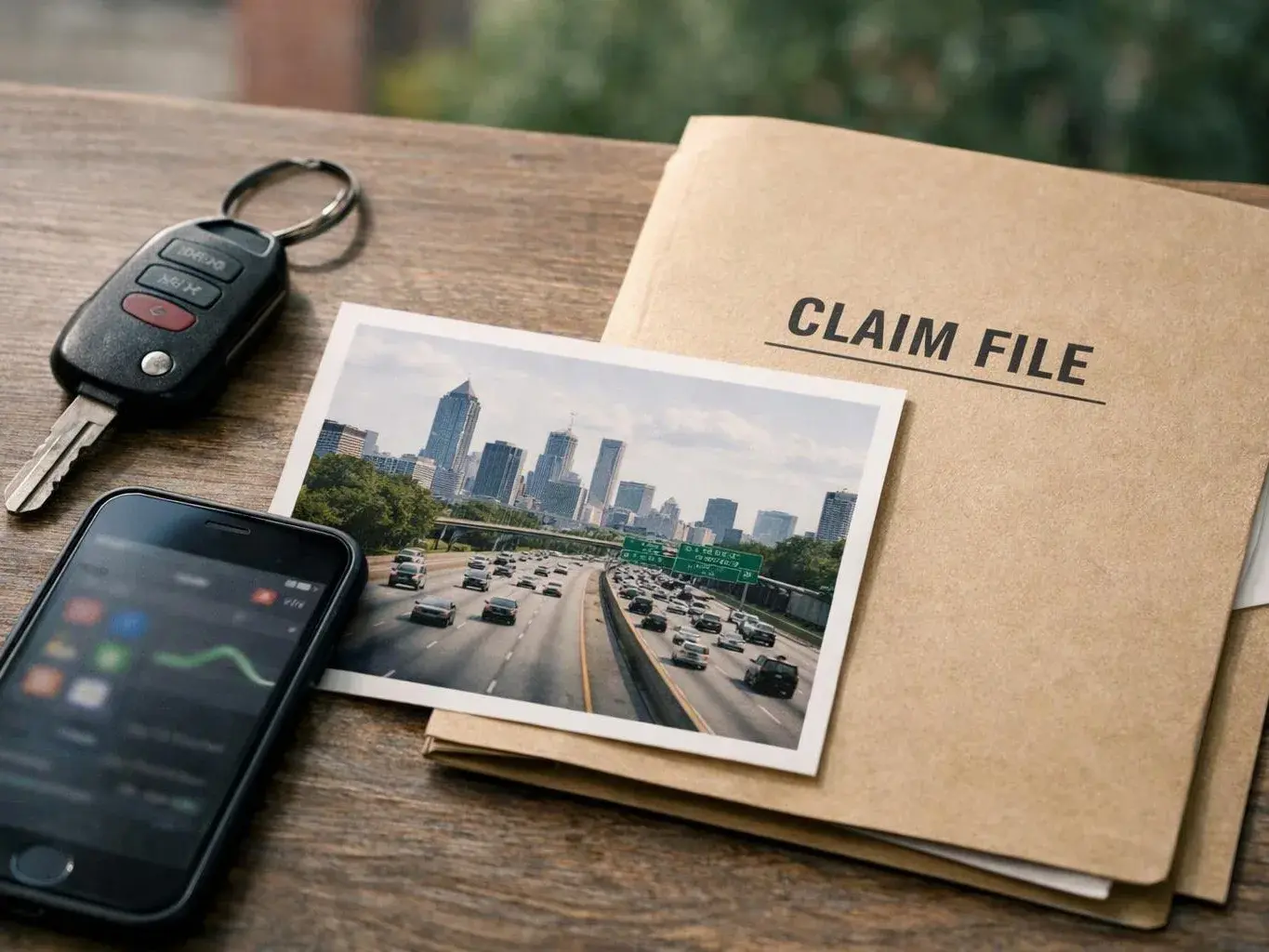
A claim file, car key, smartphone, and highway photo sit on a wooden table

Service Overview

Driver-assistance and automated-driving collision claims are personal injury claims that examine how vehicle systems, driver actions, and road events relate to a crash.

  • These claims differ from ordinary car accident claims because system warnings, sensor records, software changes, and vehicle control may need close review.
  • Atlanta Auto Law handles these claims for injured people in Smyrna and nearby Georgia communities.
Process

How we handle an automated-driving collision claim

1

Take the collision account

We discuss the crash, injuries, vehicle features, system warnings, and contact with insurers. This intake gives the claim a clear starting point.

2

Gather records and evidence

We collect available police and medical records, photographs, insurance communications, vehicle information, and other evidence tied to the collision.

3

Review system activity

We examine available sensor logs, software updates, traffic footage, and crash reconstruction material when those records fit the facts.

4

Assess losses and legal issues

We connect the collision to medical expenses, lost wages, property damage, pain and suffering, and other documented losses.

5

Pursue resolution

We handle demand discussions, insurance negotiation, settlement talks, discovery, mediation, or trial representation as the claim requires.

Why this legal work fits an automated-driving collision

Records tied to system activity

Vehicle data, sensor logs, and software updates may explain what the system detected or reported. We review those records with the crash account and medical proof.

Claim work beyond vehicle damage

Clients receive help with injury losses, insurance negotiations, settlement discussions, and trial preparation when needed. This service fits a bodily injury claim, not a stand-alone repair dispute.

A clear limit on fit

This service is the wrong fit when no injury claim exists and the issue concerns vehicle repair alone. A property damage dispute needs a different legal assessment.

What this claim review changes for injured clients

A focused record review can show which facts support your account of the collision.

Medical records and wage documents help connect the crash to your financial losses.

System records can clarify whether a warning appeared before impact or after the event.

A written claim position gives insurance discussions a defined factual basis.

Our Georgia-focused legal knowledge helps us address state personal injury issues.

Trial-ready litigation strategy keeps court representation available when settlement discussions fail.

What automated-driving collision claims include

Atlanta Auto Law provides comprehensive Driver-Assistance and Automated-Driving Collision Claims in Smyrna. Here's what you get:

  • We review the collision account, police report, medical records, photographs, and insurance communications.
  • We examine available vehicle data, sensor logs, software updates, and system warnings connected to the crash.
  • We assess whether crash reconstruction or traffic footage could clarify the sequence of events.
  • We prepare claim information for insurance negotiations and settlement discussions.
  • We pursue trial representation when the claim cannot be resolved through settlement.
  • We evaluate losses such as medical expenses, lost wages, property damage, pain and suffering, and other documented harm.

Evidence sources in an automated-driving collision review

Each evidence source answers a different question about the collision and should be read with the full claim record.

Evidence sourceWhat it may clarifyImportant limit
Vehicle dataSystem activity and recorded vehicle eventsA record may need context from other evidence
Sensor logsWhat the vehicle detected near impactThe log may not explain every driver action
Software updatesFeature version or system changesAn update alone does not prove fault
Traffic footageVehicle position and event timingFootage may not show system activity

The Atlanta Auto Law Standard

  • Careful Listening
  • Clear Explanations
  • Thorough Investigation
  • Clear Communication

Questions about automated-driving collision claims

How does vehicle data support an automated-driving collision claim?

Vehicle data can connect system activity to the collision and the resulting injury. Atlanta Auto Law compares available records with the driver’s account, police report, medical records, and traffic evidence. A single record does not decide the claim by itself. The value comes from how the records fit together and whether they address disputed vehicle control.

What happens at each stage of the claim review?

The claim review starts with intake, record gathering, system review, loss assessment, and insurance discussions. We first collect the collision account and core documents. Next, we examine relevant vehicle records and other evidence. We then discuss settlement, mediation, discovery, or trial based on the claim’s facts.

What does the legal review look at first?

The first review looks at the collision account, injury treatment, available vehicle records, and insurance communications. We identify what happened, what evidence exists, and which losses followed the crash. Clients should preserve photographs, medical records, police information, and messages from insurers before discussing disputed system details in depth.

Which records should I bring to a consultation?

Collision records, medical records, insurance letters, photographs, wage information, and vehicle information help start the review. Bring the police report if you have it. Include messages about the vehicle system or insurer’s questions. Missing medical records do not prevent an initial consultation, because we can discuss what should be requested.

When should I contact a personal injury attorney after the crash?

You should seek legal guidance before giving a detailed recorded statement about disputed system activity. Early review can help preserve vehicle records, traffic footage, medical proof, and insurance communications. Atlanta Auto Law discusses the available facts with injured people in Smyrna and nearby Georgia communities.

Why is a software update relevant to the claim?

A software update may matter if the claim concerns system operation, warnings, or feature behavior. We examine the available update history with sensor information and the crash account. The update alone does not establish fault. Its importance depends on the disputed feature and how the record relates to the collision.

Can the claim include lost wages and pain and suffering?

A personal injury claim can address documented lost wages, medical expenses, pain and suffering, property damage, and other losses. We review how the collision affected treatment, work, daily activities, and finances. The available proof guides which damages belong in the claim and how they should be presented.
Contact

Discuss your automated-driving collision claim in Smyrna

Share the collision details and available records with Atlanta Auto Law, and urgent requests get priority scheduling.

ZIP Codes We Serve in Smyrna, Georgia

300803008130082

Driver-Assistance and Automated-Driving Collision Claims in Other Areas

The information on this website is for general informational purposes only and is not legal advice, does not create an attorney-client relationship, and may not reflect current law in Atlanta, Georgia, United States. Every situation is different; consult a licensed attorney about your specific matter. Prior results do not guarantee a similar outcome.

(678) 235-3870