Skip to content

Driver-Assistance and Automated-Driving Collision Claims in Atlanta, GA

A crash on Interstate 75 can leave questions about a vehicle's driver-assistance system. We're open 24 hours a day, every day.

Upfront, Transparent PricingServing 40 CommunitiesMon-Sun: Open 24 hoursFast Scheduling
We represent people in Atlanta after collisions involving driver-assistance or automated-driving systems. Atlanta Auto Law helps you discuss what happened and your legal options.

What you can learn about your crash claim

Understand why an active feature and a vehicle equipped with that feature aren't the same thing.

Identify questions about warning messages and system behavior that matter to your claim.

Discuss losses such as medical expenses and lost wages in the context of the crash.

What Does Driver-Assistance and Automated-Driving Collision Claims Cover?

Driver-assistance and automated-driving collision claims are injury claims arising from crashes involving vehicles with those systems.
  • The scope includes injuries and losses linked to the collision.
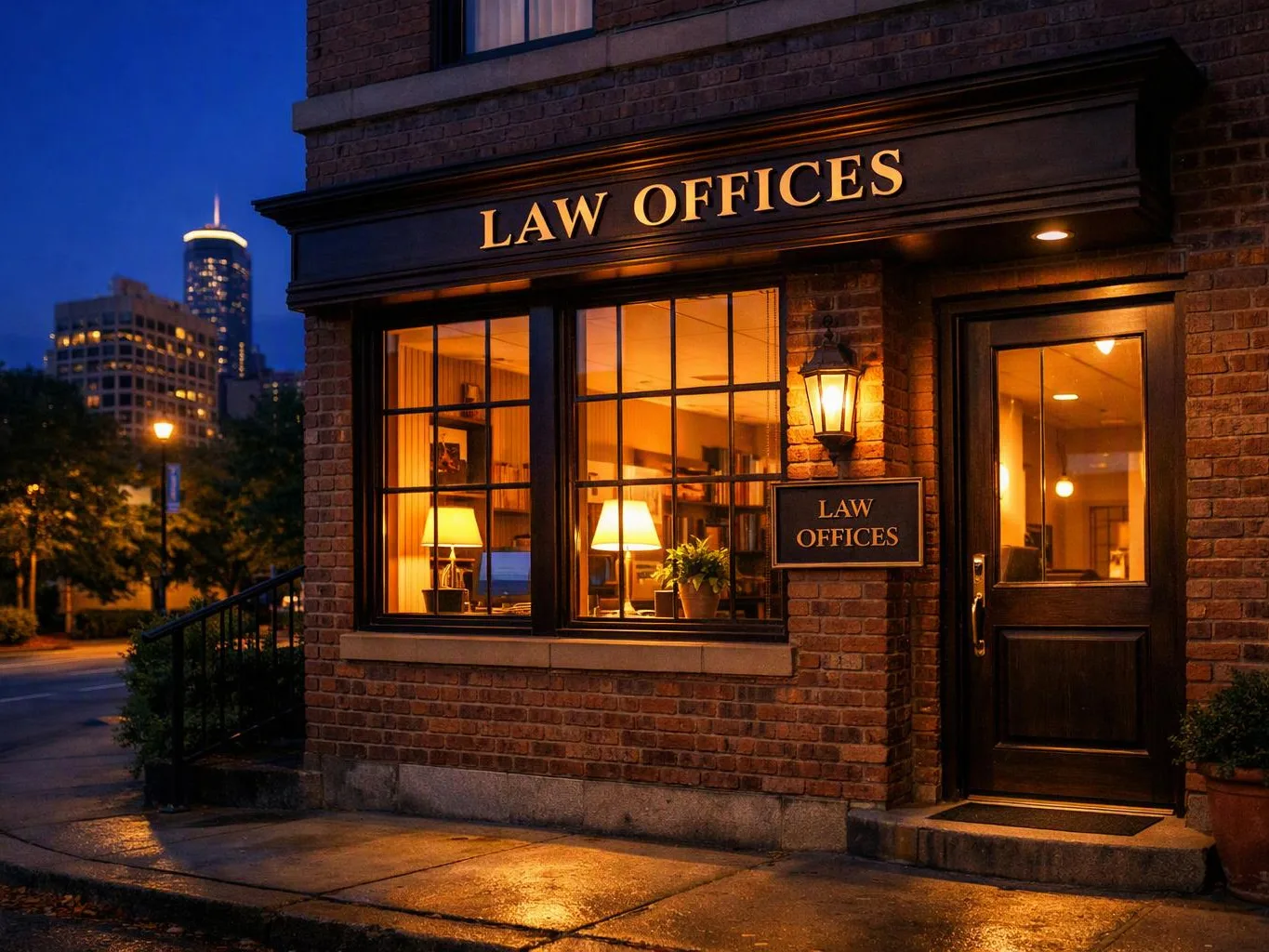
A brick glows at dusk, with lit windows, a dark door, and city buildings in the background
About

What an automated-driving injury claim examines

A driver-assistance claim examines the crash and the technology involved. We consider what the driver reports, what records exist, and how the collision caused your injuries. A feature's name alone doesn't establish fault. We recommend keeping an open mind about the cause until the available evidence has been reviewed. The driver's actions and the system's operation may both matter.

Process

How we build a claim after a system-related crash

1

Document the feature and crash

We ask about the vehicle, the feature involved, and what happened before impact.

2

Examine available crash evidence

We review relevant records and consider whether vehicle data or warning messages could clarify system use.

3

Assess fault and losses

We consider the evidence alongside your injuries and the losses you report.

4

Pursue the claim

We address the claim with insurers and discuss settlement or trial as the case develops.

What to gather for your claim discussion

These materials can help us understand the crash and the feature involved.

  • Bring any crash report you have.
  • Save photos of vehicle damage and warning messages.
  • Note the vehicle model and the feature you believe was involved.
  • Gather medical records and information about missed work.

Evidence used to assess system behavior

Claim focus
Injuries linked to a collision
System question
Driver-assistance use at the time
Representation
Insurance negotiations and trial when necessary
Primary market
Atlanta, GA
Service focus
Driver-Assistance and Automated-Driving Collision Claims
Vehicle data
Available data may help establish system status or vehicle behavior. We assess what information is relevant to the claim.
Warning messages
A photo or account of a warning may help establish what the driver saw before impact.
Police and medical records
Crash and treatment records provide context for the incident and the injuries claimed.

Equipped vehicle or active feature

The distinction helps frame what evidence may matter.

SituationWhat it establishesQuestion for the claim
Vehicle equipped with a featureThe vehicle has the featureWas the feature active?
Feature reported activeSomeone reports using the featureWhat did the feature do?

The Atlanta Auto Law Standard

Careful Listening

We ask what you recall about the feature, the crash and the injuries that followed.

Thorough Investigation

We examine available crash records and reported system behavior alongside the circumstances of your injuries.

Clear Legal Guidance

We explain how the available evidence may affect your options for an injury claim.

Questions about claims involving automated features

Who may be responsible for an automated-driving crash?

Responsibility may involve a driver or another party, depending on the evidence. Atlanta Auto Law examines the reported system behavior and the actions surrounding the crash. A feature's name doesn't settle fault. We'll discuss the facts and the legal options they support, without promising a particular outcome.

Can I pursue a claim if lane assistance steered unexpectedly?

Yes, an unexpected steering action can support a claim if the evidence links it to the crash and your injuries. The driver's account and available vehicle information may help explain what occurred. We'll discuss the circumstances with you and assess the claim on its facts. A steering event alone doesn't establish who is legally responsible.

What evidence might show why a driver-assistance feature failed?

Relevant evidence may include vehicle information, warning messages and accounts of the crash.

  • Photos of dashboard messages
  • Crash reports and witness accounts
  • Available vehicle data

We'll consider what each item can establish and whether other information is needed. The records available will depend on the vehicle and the circumstances.

What can change the legal costs of a system-related claim?

The work needed to investigate system behavior and resolve a dispute can affect legal costs. A claim with contested vehicle evidence may require different work from one with clearer records. Ask us about fees and potential case expenses during your consultation. We'll discuss the terms that apply before you decide whether to engage us.

Will you deal with the insurer or take the claim to trial?

Yes, we represent clients in insurance negotiations and at trial when necessary. A dispute about an automated feature doesn't mean every claim will reach court. We'll discuss settlement and litigation as the facts develop. Your decision should account for the available evidence, your losses and the terms of any settlement offer.

What should I do before speaking with the other driver's insurer?

A discussion with our team can help you understand your options before speaking with the other driver's insurer. Keep any messages the insurer has already sent you. Tell us if you're unsure about the vehicle's feature or its role in the crash. We can discuss the claim and the information you have without assuming how the system operated.

Common Mistakes With Driver-Assistance and Automated-Driving Collision Claims

  • Assuming a feature was active because the vehicle had it. We examine the account and available evidence of system use.
  • Treating a dashboard warning as proof of fault. We consider its wording and timing alongside the crash circumstances.
  • Discarding insurer messages about system use. We review those communications to understand the dispute.

Key Points About Driver-Assistance and Automated-Driving Collision Claims

  • We distinguish vehicle equipment from feature use during the crash.
  • We consider both driver actions and reported system behavior.
  • Available vehicle data and warning photos may help explain the event.
  • We assess injuries and losses alongside the evidence of fault.

Complete Personal Injury Attorney Services Available in Atlanta

Postal Codes & Local Areas Served in Atlanta

Serving Atlanta, Fulton County, and surrounding communities including Druid Hills, Gresham Park, North Decatur, Decatur, East Point.

303013030230303303043030530306303073030830309303103031130312303133031430315303163031730318303203032130324303253032630327303283033130332303343033630337

Driver-Assistance and Automated-Driving Collision Claims Service Areas

Contact

Discuss your automated-driving crash claim

Schedule a consultation with Atlanta Auto Law for an initial discussion of your crash and legal options. Urgent requests get priority scheduling.

Scenarios

When Customers Call Us About Driver-Assistance and Automated-Driving Collision Claims

1

Automatic braking didn't prevent a crash

You expected automatic braking to intervene, but the vehicle struck another car. The feature's settings and any warning you saw could matter to the claim, along with the driver's actions before impact. Tell us what you remember and share any photos or records you have. We'll discuss the questions the available evidence raises.

2

An insurer disputes system use

An insurer may question whether a driver-assistance feature was active during a collision. That distinction matters because a vehicle's equipment list alone doesn't show what happened at the moment of impact. Keep the insurer's messages and any details you have about the feature. We can discuss the dispute and the evidence available for your claim.

3

An injured passenger lacks vehicle details

A passenger hurt in a crash may not know which automated feature the driver used. Your account of the trip and your injuries can still give us a starting point, even if the vehicle information isn't in your hands. Bring the records you do have to a consultation. We can discuss what further information may help assess the claim.


Our Other Services

Car Accident RepresentationA car crash can leave you facing repair bills and missed work. We examine the collision report and vehicle damage, then pursue a claim for your medical costs, lost income and other covered losses.
Truck Accident RepresentationTruck collision victims need answers about who caused the crash. Your claim may involve a trucking company, driver logs and cargo securement records, and we'll investigate those details while pursuing compensation for your injuries.
Motorcycle Accident RepresentationGetting back on your feet after a motorcycle crash can take extensive care. We examine helmet damage and evidence of a driver's failure to yield, then seek compensation for treatment and lost earnings.
Bicycle Accident RepresentationCyclists deserve a fair account of a collision, not assumptions about riding behavior. A claim can draw on bike lane markings and damage from a car door to establish what happened and seek payment for injuries.
Pedestrian Accident RepresentationYou may face major medical bills after a driver strikes you on foot. We'll review crosswalk markings and traffic signals as we build a claim for the care and income you've lost.
Rideshare Accident RepresentationA rideshare injury claim can involve coverage beyond the driver's personal policy. We review the Uber or Lyft trip record and the driver's app status to identify available insurance and pursue payment for your losses.
(678) 235-3870