Who may be liable for a driver-assistance collision?
Manufacturer defects may create liability, but driver error, software failures, maintenance issues, and road hazards can also matter. Atlanta Auto Law reviews the system’s warnings, driver input, vehicle records, repair history, and crash evidence. The claim may involve one party or several parties, depending on what caused the collision and the resulting injury.
What does the legal team look at first after the crash?
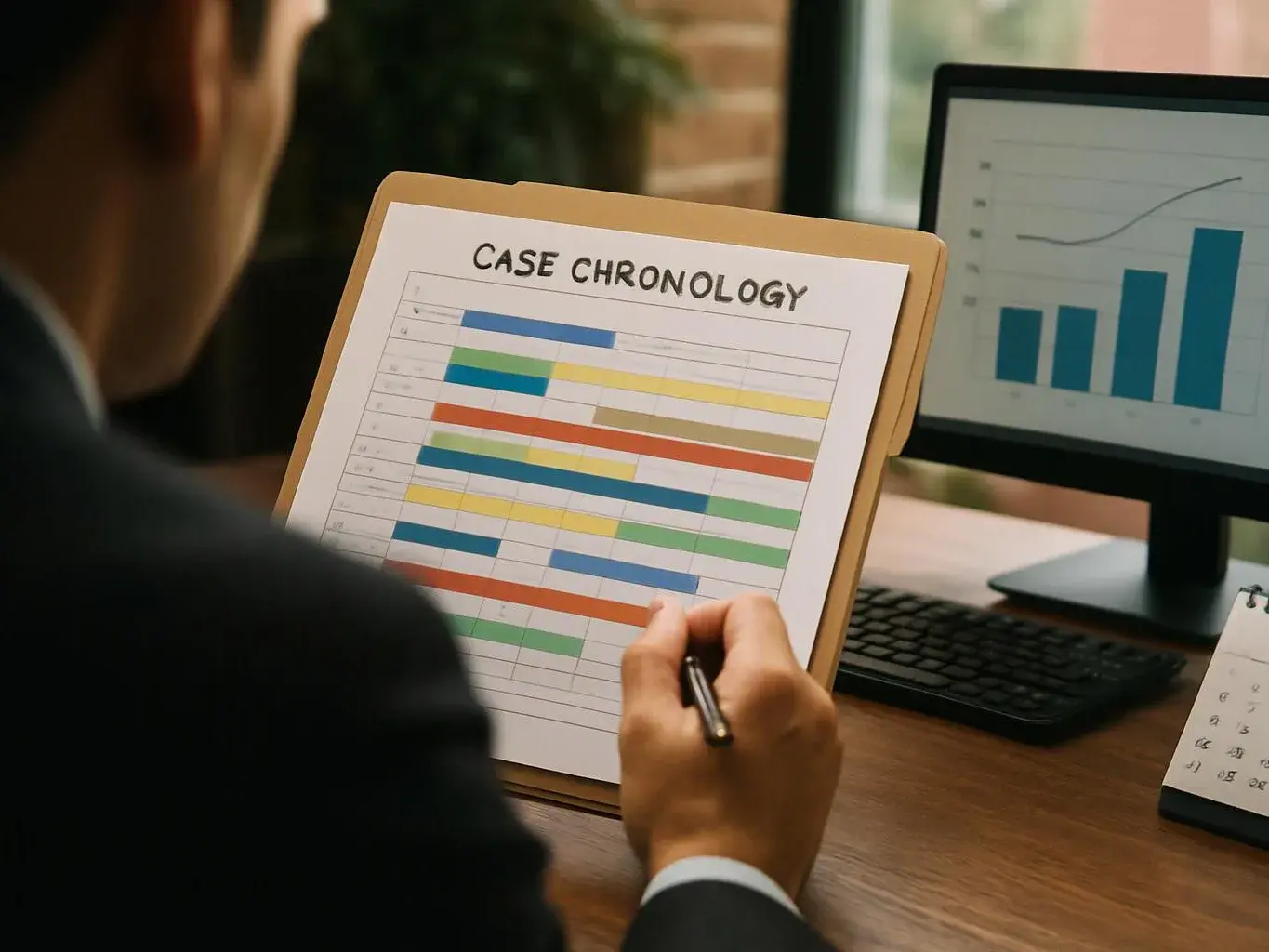
The first review focuses on the collision sequence, injuries, system warnings, and available records. Police reports, photographs, medical records, repair documents, and insurer communications help establish the basic facts. We then identify missing evidence and assess whether the vehicle feature, driver conduct, or another condition influenced the impact.
Which records should I preserve before repairs?
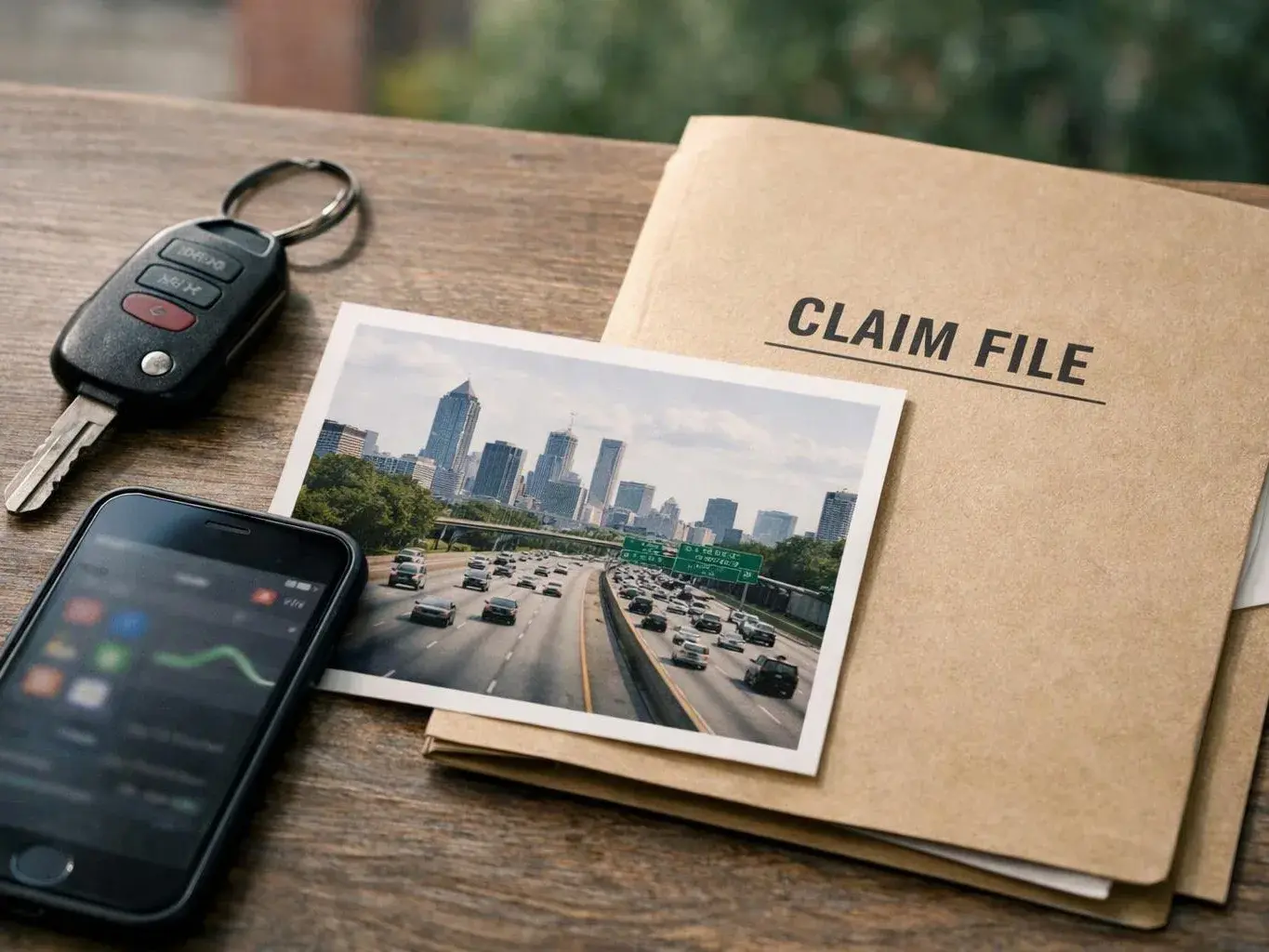
Vehicle data, dashboard images, warning messages, repair records, and insurance letters should be preserved before repairs alter the evidence. Keep the police report and medical records with those materials. Do not delete digital messages or surrender original documents without understanding what they contain.
When should I discuss an automated-driving injury claim?
An injury claim should be discussed before you sign a release or let important vehicle evidence disappear. Early review helps connect treatment, vehicle condition, system warnings, and insurance statements. Georgia injury claims also involve legal deadlines, so prompt legal guidance protects the chance to evaluate the claim.
Why can a repaired vehicle affect liability evidence?
A repaired vehicle can lose physical parts, diagnostic information, or stored system data that later helps explain the collision. Repair invoices and technician notes can still provide useful proof. We review what was changed, when it changed, and whether the repair record supports or conflicts with the reported crash sequence.
How does this claim differ from a standard car accident case?
An automated-driving claim adds system performance, software behavior, vehicle design, and maintenance history to the fault review. A standard crash may center mainly on driver conduct and road conditions. We still assess injury records and insurance coverage, but the added technical evidence can change who must answer for the loss.
What if I have not received every medical record yet?
You can discuss the claim before every medical record arrives. Initial documents such as discharge papers, bills, treatment notes, and work records can establish the early picture. We help identify which records matter next, while ongoing treatment may add evidence about the injury and future losses.