Skip to content

Driver-Assistance and Automated-Driving Collision Claims in Doraville Georgia

Vehicle data can show how an automated-driving system responded before a crash in Doraville. We examine the records that help explain what happened.

Upfront, Transparent PricingServing 52 CommunitiesMon-Sun: Open 24 hoursFast Scheduling

Quick Summary: Automated-Driving Collision Claims in Doraville, Georgia

Driver-Assistance and Automated-Driving Collision Claims in Doraville are handled by Atlanta Auto Law for crashes involving driver-assistance or automated-driving systems. Our firm serves Atlanta, Fulton County, and nearby Georgia communities, with consultations available for accident victims and families.

  • What we do: Atlanta Auto Law reviews Driver-Assistance and Automated-Driving Collision Claims in Doraville, Georgia, using crash records, system data, and related evidence.
  • What is included: The work includes vehicle data review, sensor-log analysis, software-update review, crash reconstruction, traffic-footage review, insurance negotiation, and trial representation when needed.
  • What you get: The client receives a clear claim assessment that identifies the available evidence, possible losses, and next legal steps.

How can I pursue a claim after an automated-driving collision?

Vehicle data can support an automated-driving collision claim when it helps connect system behavior to the crash. Atlanta Auto Law reviews available records, medical documentation, police records, and traffic footage. We also assess software updates and reconstruction findings before discussing insurance negotiation, settlement, or trial options.

Driver-Assistance and Automated-Driving Collision Claims in Doraville, Georgia

Automated-driving collision claims require more than a review of the crash report. The central question is often how the vehicle system acted, what the driver was told, and whether the available records match the physical evidence.

The buyer decision is whether the claim needs focused technical review. We examine vehicle records, sensor logs, software updates, traffic footage, and medical records when those materials are available. The work also covers insurance negotiation, settlement discussions, and trial representation when necessary.

This service fits drivers, passengers, pedestrians, and families dealing with injury or wrongful death after a collision. It isn't the right focus when no driver-assistance or automated-driving feature played a role. In that situation, a standard car accident claim may better match the facts.

  • Identify whether a driver-assistance or automated-driving feature was active.
  • Preserve crash reports, medical records, vehicle records, and available footage.
  • Check whether software updates or system warnings affect the claim.
  • Match injury records and financial losses to the collision.
  • Assess whether insurance negotiation, mediation, or trial preparation fits the dispute.
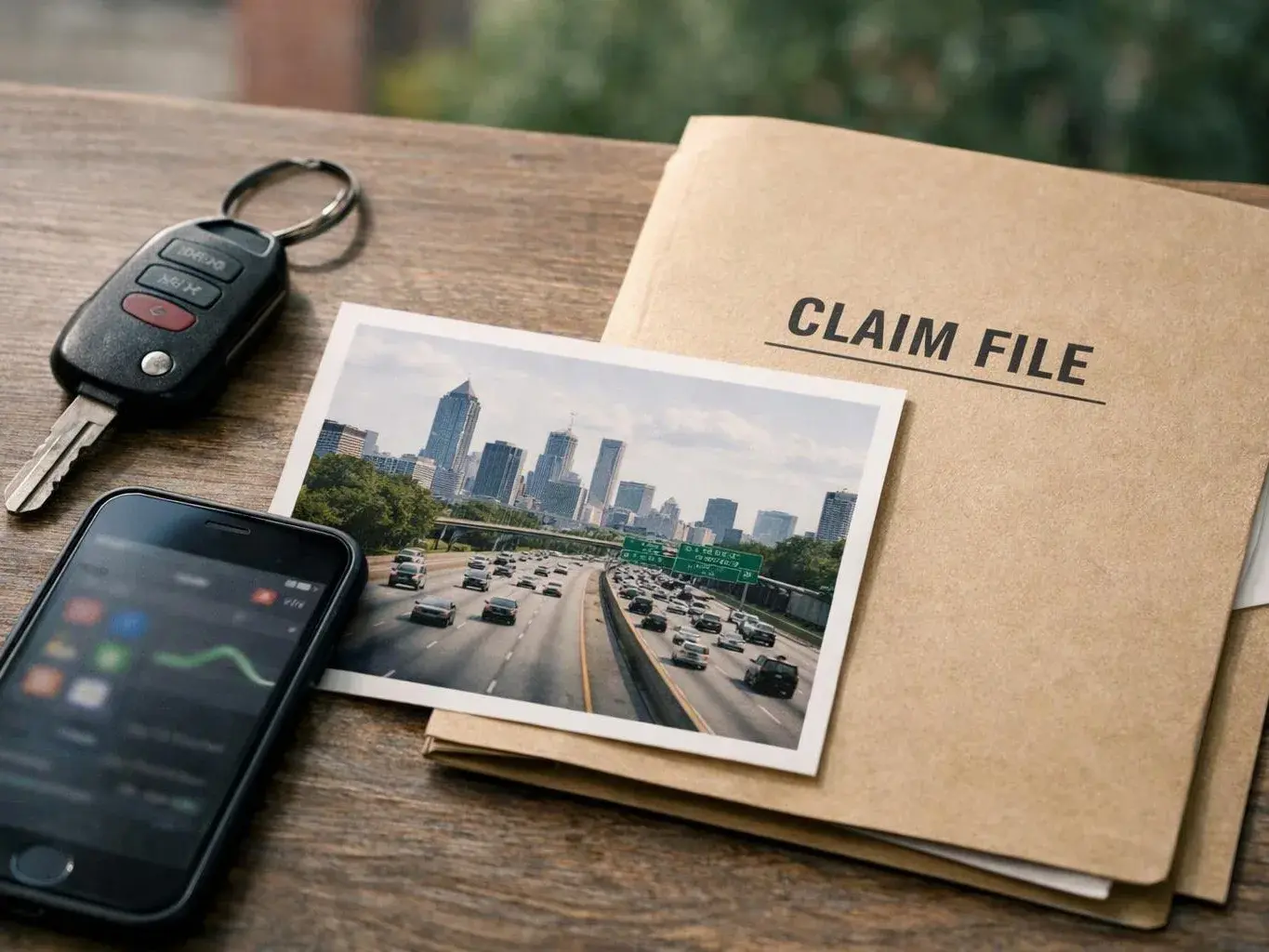
A claim file, car key, smartphone, and highway photo sit on a wooden table

Service Overview

Driver-Assistance and Automated-Driving Collision Claims are legal claims about crashes involving systems that assist with steering, braking, speed, or driving tasks.

  • These claims differ from ordinary car accident claims because system records and software changes may help explain the vehicle's actions.
  • We handle these claims for clients in Doraville and across Atlanta, Fulton County, and nearby Georgia communities.

What automated-driving collision claim work includes

Atlanta Auto Law provides comprehensive Driver-Assistance and Automated-Driving Collision Claims in Doraville. Here's what you get:

  • We review the crash circumstances and identify the driver-assistance or automated-driving feature involved.
  • We examine available vehicle records, sensor logs, software updates, and traffic footage.
  • We gather police records, medical records, wage-loss information, and property-damage records.
  • We assess how the available evidence supports injury, wrongful death, and other loss claims.
  • We handle demand letters, insurance negotiations, settlement discussions, mediation, and trial representation when needed.

What this collision review changes for the client

A focused record review helps separate driver actions from system behavior.

Medical expenses, lost wages, property damage, pain and suffering, and other losses receive organized legal attention.

A documented timeline gives the insurance carrier a clearer account of the collision.

Early review can show which records should be preserved before they become harder to obtain.

Clients receive clear legal guidance about negotiation, settlement, and possible litigation.

Process

How we build an automated-driving collision claim

1

Review the collision intake

We discuss the crash, injuries, vehicle features, police records, insurance contact, and available documents.

2

Preserve the key records

We identify vehicle records, sensor logs, software notices, traffic footage, repair documents, and medical records that may support the claim.

3

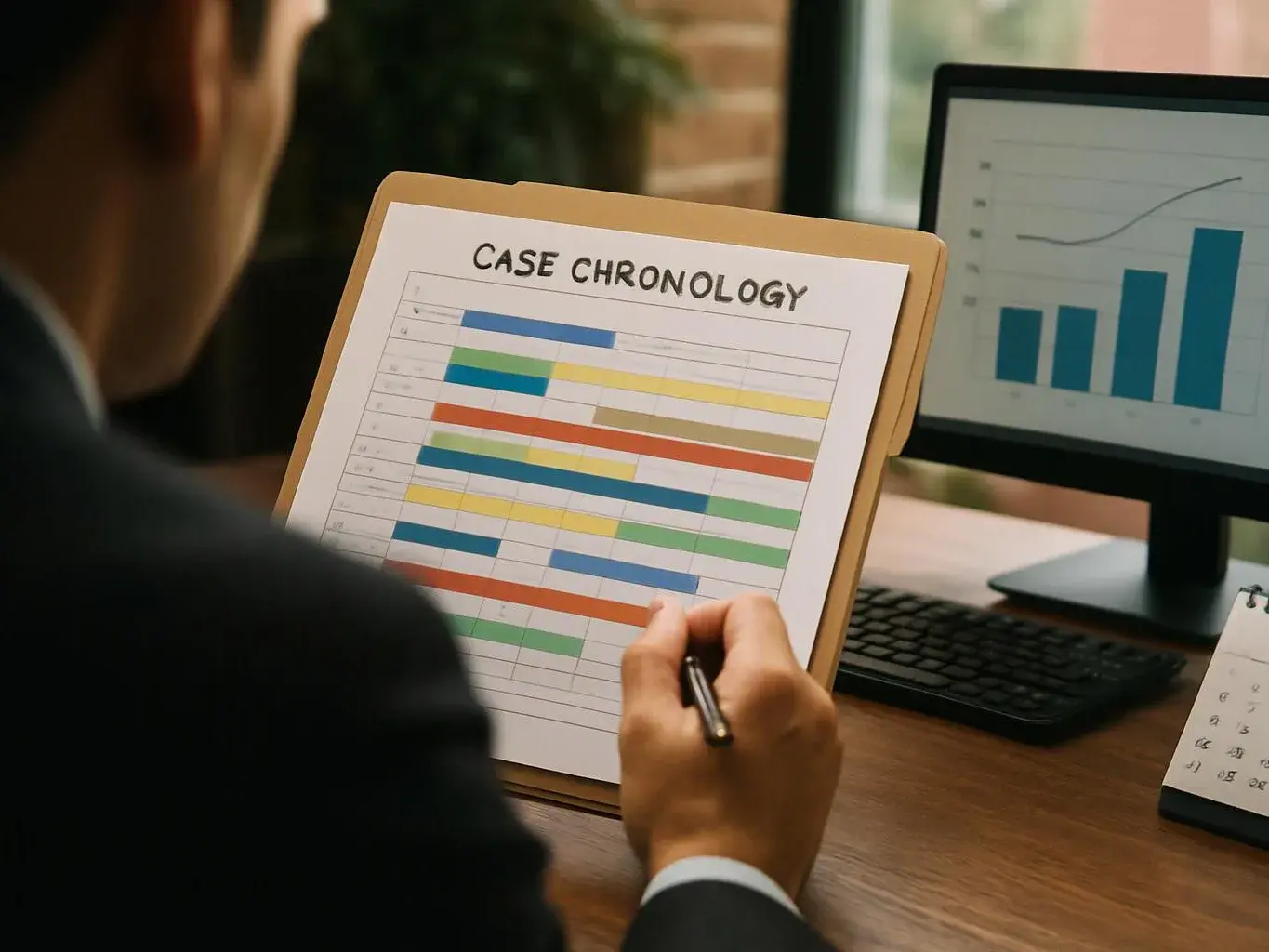
Build the crash timeline

We compare statements, system information, traffic footage, vehicle damage, and crash reconstruction findings when available.

4

Value the injury claim

We organize medical expenses, lost wages, property damage, pain and suffering, and other documented losses.

5

Pursue the legal path

We handle the demand letter, insurance negotiation, settlement discussions, mediation, discovery, and trial representation as the case requires.

How we approach automated-driving collision claims

Vehicle records guide the review

Vehicle records help connect system activity with the crash sequence. We compare available records with police reports, medical records, footage, and physical damage.

Georgia-focused legal knowledge

Georgia personal injury law shapes how we assess negligence, injury losses, insurance issues, and settlement discussions. Our experienced personal injury attorneys tailor the review to the facts.

Trial-ready claim preparation

A claim may need more than an insurance demand. We prepare for discovery, mediation, and trial representation when settlement discussions don't resolve the dispute.

When this service is the wrong fit

This service isn't the right job when no driver-assistance or automated-driving feature was involved. A standard car accident claim may better fit those facts.

The Atlanta Auto Law Standard

  • Careful Listening
  • Clear Explanations
  • Thorough Investigation
  • Clear Communication

Questions about automated-driving collision claims

How can vehicle data support an automated-driving collision claim?

Vehicle data can connect system activity with the moments before a collision. Atlanta Auto Law reviews available logs, warnings, software information, and related records. We compare those materials with police records, traffic footage, vehicle damage, and medical records. The goal is to identify a supportable account of the crash, not to treat one record as conclusive by itself.

What should be ready before this claim review starts?

Crash reports, medical records, insurance letters, repair documents, photographs, and vehicle notices should be ready for review. We use those materials to build the initial timeline and identify missing records. Clients should preserve texts, emails, dashboard messages, and footage connected to the collision. A consultation can still begin before every medical record arrives.

Which vehicle condition can change the legal review?

A vehicle's feature settings, warning history, damage, or software state can change the legal review. We check whether the driver-assistance feature was active and whether a warning or update relates to the collision. Repair work may also affect available evidence, so preserve photographs, invoices, and notices before making changes when possible.

What does a personal injury attorney handle beyond insurance talks?

A personal injury attorney can investigate the crash, gather records, assess losses, prepare a demand letter, and handle litigation. Atlanta Auto Law also addresses discovery, mediation, settlement discussions, and trial representation when needed. The work may include medical expenses, lost wages, property damage, pain and suffering, and wrongful death claims.

When should I preserve traffic footage after a collision?

Traffic footage should be preserved as soon as possible because recording systems can overwrite older material. We identify possible footage sources from the crash location and compare the video with the police report and vehicle records. Share any private recording, dashcam file, or message about footage during the initial consultation.

Why can software updates matter in these claims?

Software updates can show which system version or feature setting existed near the collision. We review update notices and available vehicle records alongside warnings, driver statements, and crash evidence. An update alone doesn't establish fault, but it may help place system behavior in the correct sequence.

How does trial preparation affect an automated-driving claim?

Trial preparation requires organized evidence, clear injury records, and a supported account of the collision. We assess witness statements, records, reconstruction findings, and insurance positions as the claim develops. Every case is different, so the need for discovery, mediation, or trial depends on the disputed facts.
Contact

Discuss your automated-driving collision claim in Doraville

Request a consultation about the records and losses tied to your collision; urgent requests get priority scheduling.

Driver-Assistance and Automated-Driving Collision Claims in Other Areas

The information on this website is for general informational purposes only and is not legal advice, does not create an attorney-client relationship, and may not reflect current law in Atlanta, Georgia, United States. Every situation is different; consult a licensed attorney about your specific matter. Prior results do not guarantee a similar outcome.

(678) 235-3870