Which medical devices may support an injury claim?
Atlanta Auto Law reviews claims involving hip implants, surgical mesh, pacemakers, and infusion pumps. The device alone does not decide the claim. Medical records, product details, treatment history, and the reported injury must support the legal analysis. Other products may also require review when the client can identify the device and related medical care.
How is a device injury claim matched to the medical records before work starts?
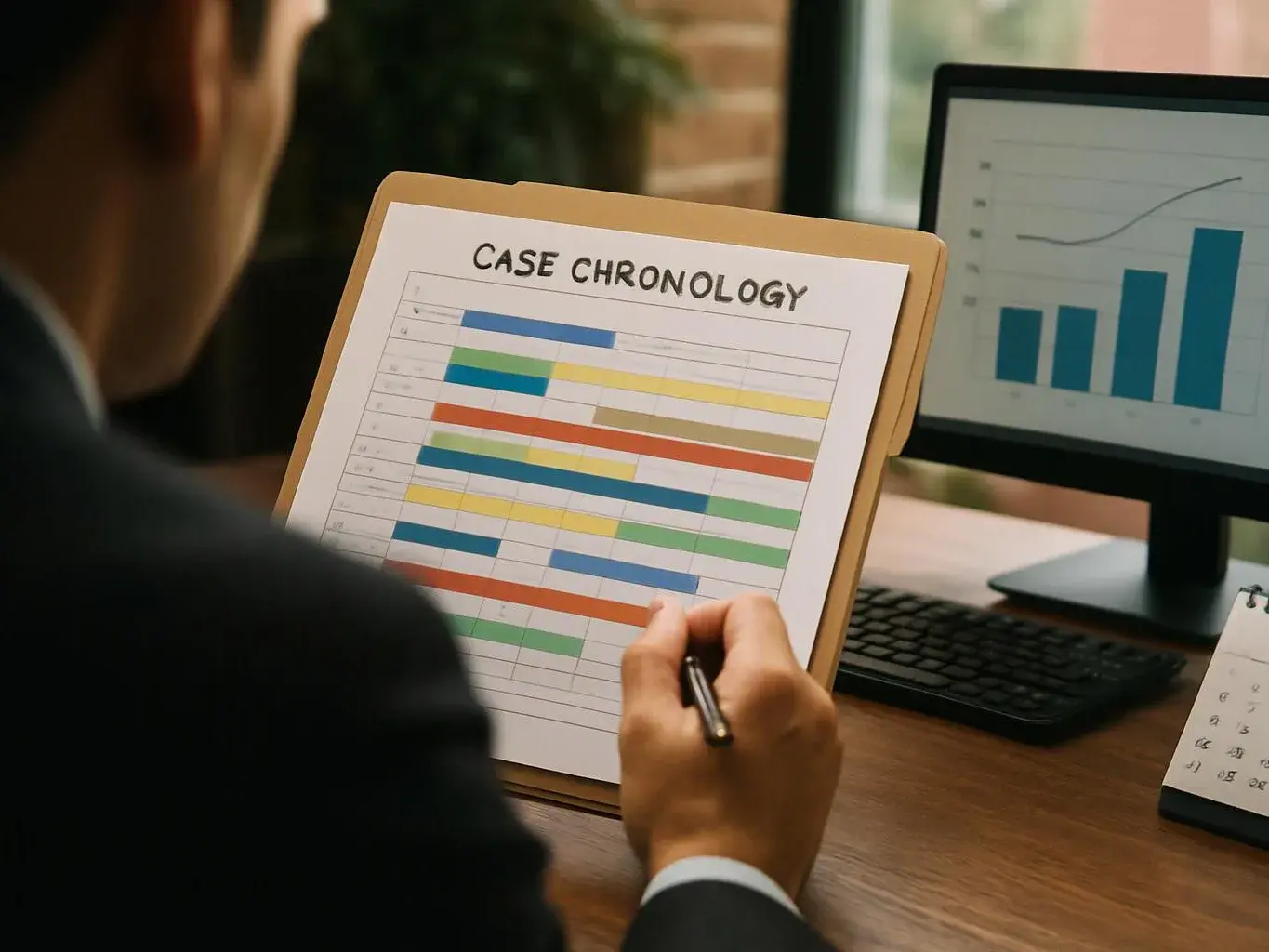
The medical timeline is matched to device use, symptoms, treatment, and later care. We compare procedure notes, follow-up records, bills, and imaging when available. Clients who have not received every record can still request a consultation. The review identifies which documents should be requested next.
What should be ready before a device injury consultation?
Medical records, bills, insurance letters, device information, and wage records are useful at the first consultation. Bring the procedure date and a short symptom timeline if those details are available. Missing records do not end the discussion. Our team can identify the documents needed for further review.
Which condition changes the time needed to review a device claim?
The amount and quality of medical evidence usually changes the review work. A claim involving several procedures, ongoing treatment, or disputed causation needs closer record comparison. Clients can help by organizing bills, treatment notes, insurer letters, and product information before the consultation.
What does a personal injury attorney handle beyond an insurance negotiation?
A personal injury attorney may handle evidence gathering, demand letters, discovery, mediation, and trial preparation. Atlanta Auto Law also reviews medical expenses, lost wages, pain and suffering, and other supported losses. The exact work follows the claim’s facts and the parties involved.
Can I discuss a claim before receiving every medical record?
Yes, a client can discuss the claim before receiving every medical record. Early information can include the procedure, symptoms, treatment, bills, and insurer communications. Our team then identifies missing records and explains how those documents may affect product liability or medical malpractice issues.
When should I seek legal guidance about a denied device claim?
Legal guidance is useful when an insurer denies the claim, disputes medical treatment, or asks the client to accept a settlement. Save the denial letter and related claim messages. We review the stated reason, available medical support, and losses before discussing a response.