How can I handle an insurer after a boating accident?
Claim investigation gives you a structured way to handle an insurer after a boating accident. Atlanta Auto Law reviews the recorded statement request, policy coverage, liability evidence, medical records, and settlement offer before advising on the claim. We then discuss negotiation, mediation, or trial representation based on the facts. You should preserve insurer letters and related records.
What should I bring to the first consultation?
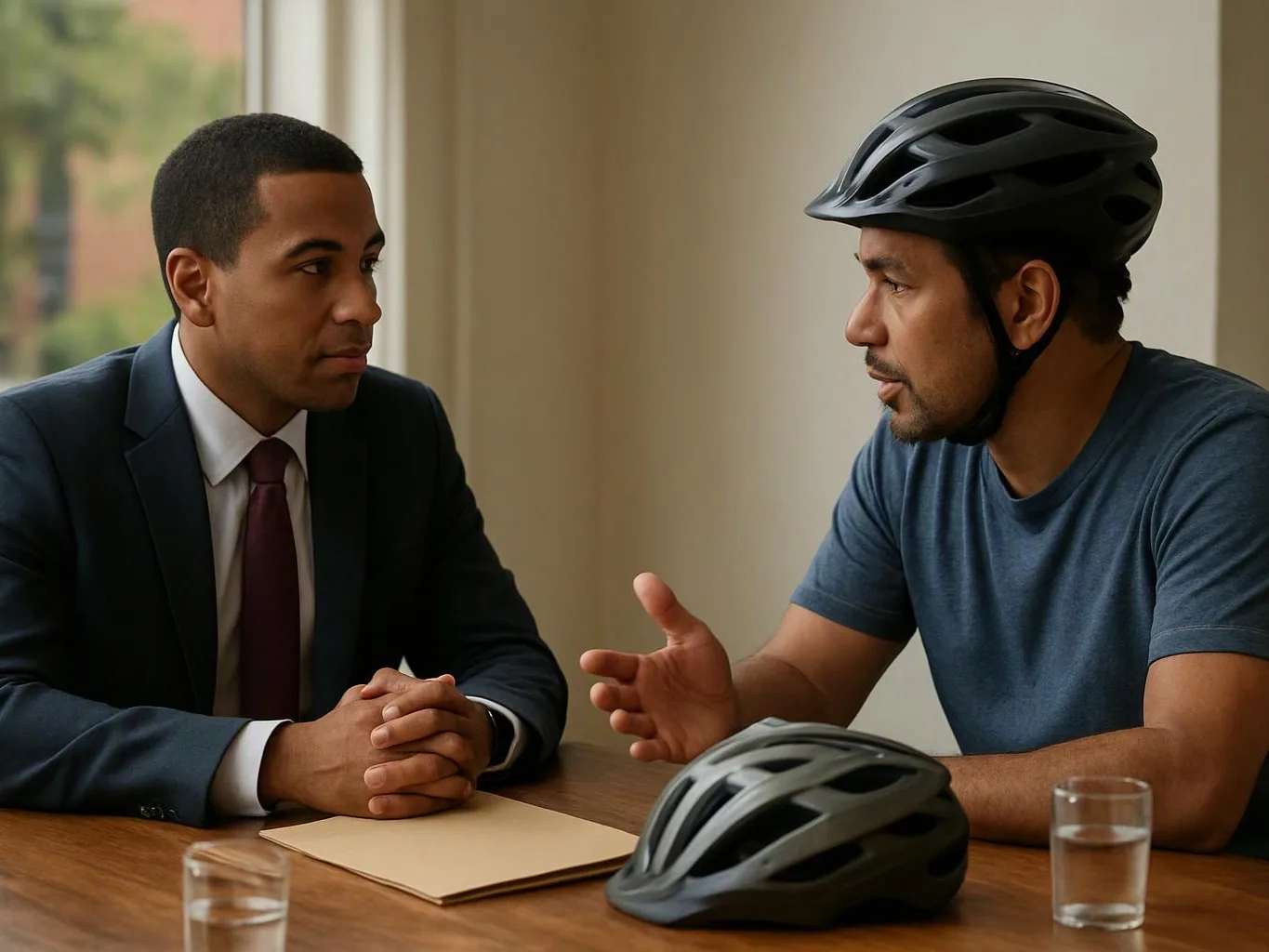
Accident records give the first consultation a useful starting point. Bring police records, medical records, photographs, insurance letters, policy documents, witness details, and any settlement offer. Missing records do not prevent a consultation, because we can identify what still needs to be obtained. Keep copies of everything sent to or received from the insurer.
Which part of the claim decides the work involved?
The central dispute decides which work the boating claim needs. A fault dispute calls for evidence review and liability analysis. A coverage dispute calls for policy review and insurer correspondence. A damages dispute calls for medical, wage, property, and pain records. Several disputes can exist together, so we separate them before discussing a legal strategy.
When should I respond to a recorded statement request?
A recorded statement request deserves legal review before you give the statement. The insurer may use your account when assessing fault, coverage, or the value of the claim. We review the request and compare it with the known accident facts. That review helps you understand the request and avoid treating it as routine paperwork.
Why might an insurer dispute liability after a boating crash?
An insurer may dispute liability when the available accounts differ or the cause of the crash remains unclear. We compare statements, police records, photographs, medical records, and other available evidence. The review focuses on facts tied to operation, conduct, and injury. The claim then moves toward negotiation or litigation based on the evidence.
How does a boating accident claim move from the first call to the last step?
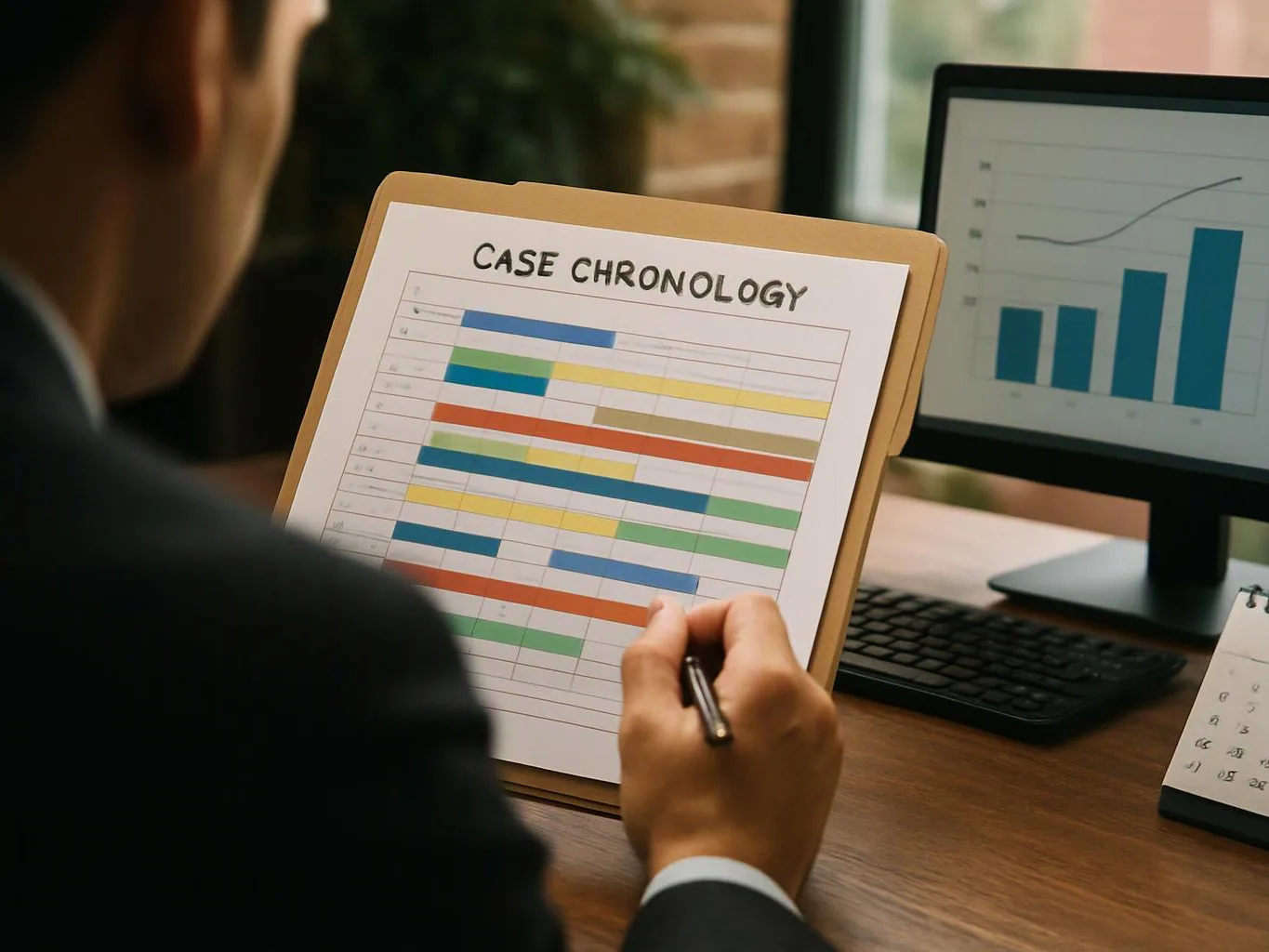
The claim moves from intake to evidence review, insurer communication, negotiation, and possible litigation. We first discuss the accident and requested documents. We then assess liability, coverage, and losses. Settlement discussions may follow. If the dispute remains unresolved, we discuss mediation, discovery, and trial representation as the next legal options.
Which documents help challenge a settlement offer?
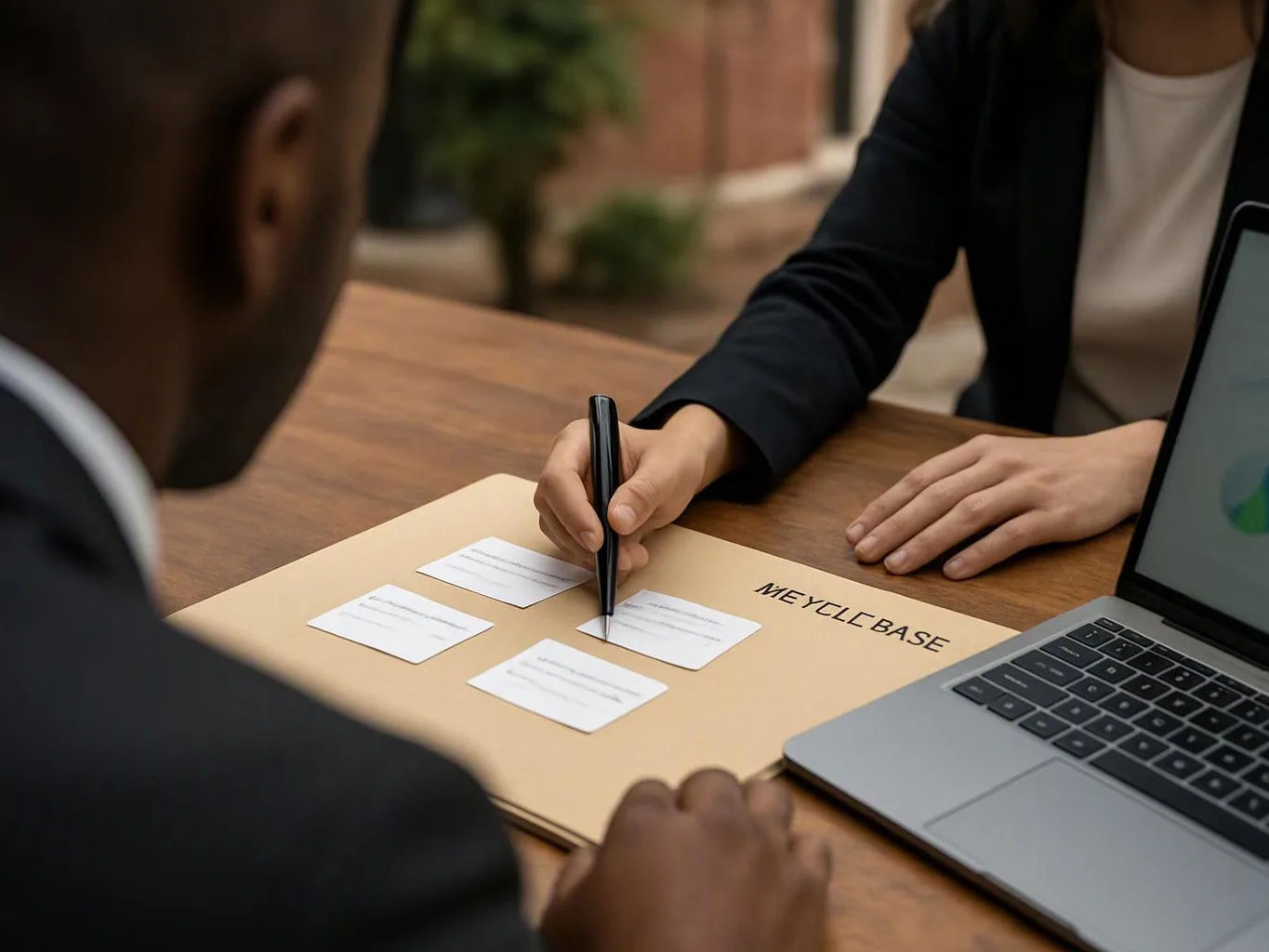
Medical records, wage records, property records, photographs, and insurer correspondence help test a settlement offer. We compare those documents with the offer and the insurer's stated position. The review can show whether the offer addresses the claimed losses or leaves important proof out. We then explain the available negotiation and litigation choices.