
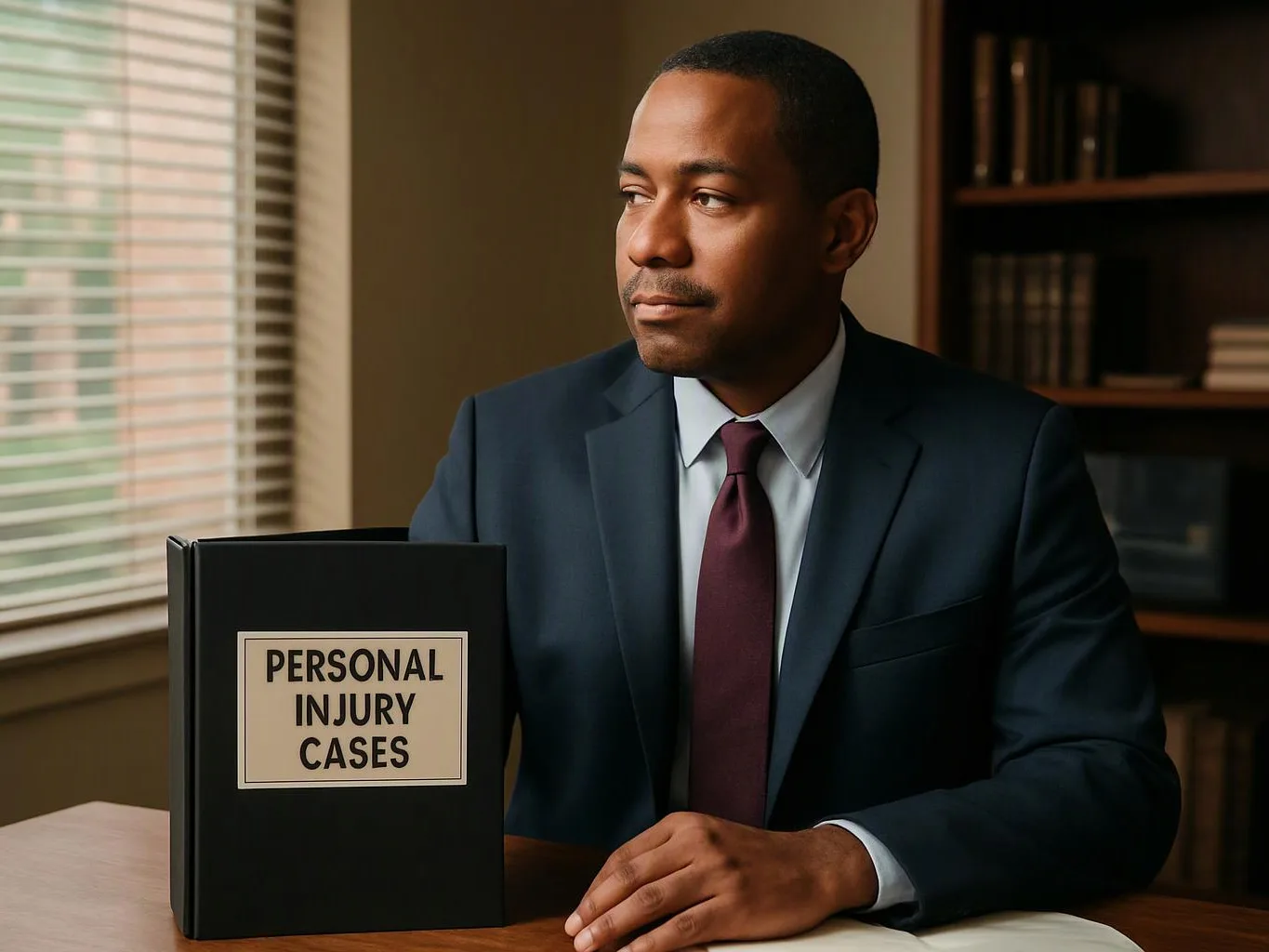
Listen to the family’s account
We begin with the pregnancy, delivery, newborn care, diagnosis, and current concerns. This creates a working timeline for the records review.
Birth injury claims require careful review of prenatal care, delivery decisions, and a child’s lasting needs. We provide legal guidance across Georgia.
A focused review separates a difficult birth outcome from evidence of medical negligence.
Record analysis helps connect delivery events with a child’s current and future care needs.

Birth injury representation focuses on the cause of a child’s harm, not only the diagnosis. We review prenatal care, fetal monitoring, delivery decisions, newborn treatment, and later medical findings. The main risk is a gap between what providers observed and what they did next. A missed warning sign, delayed response, or unsafe delivery decision may matter when the records support a connection to the injury. Our review also considers future care needs, lost earning capacity, medical expenses, and the effect on the child and family. Every case turns on its own facts, so the records and medical opinions guide the legal strategy.
Birth injury representation is legal counsel that examines whether negligent medical care caused harm before, during, or after birth.
We begin with the pregnancy, delivery, newborn care, diagnosis, and current concerns. This creates a working timeline for the records review.
We examine prenatal charts, fetal monitoring, delivery notes, newborn records, and later treatment. These documents help test whether warning signs received a proper response.
We assess the care decisions and contributing factors linked to the injury. The review distinguishes medical negligence from complications that evidence does not connect to provider fault.
We handle insurance negotiations and settlement discussions. If the claim does not resolve, we provide trial representation.
Bring the records and facts that show the pregnancy, delivery, diagnosis, and ongoing effects.
We listen carefully to each family’s account, including pregnancy concerns, delivery events, diagnoses, and ongoing care needs.
We investigate medical records, warning signs, treatment decisions, and contributing factors linked to the child’s injury.
We explain the claim, evidence, legal options, and next steps in language families can understand.
Medical records provide the main evidence for evaluating a birth injury claim.
These materials help us build the timeline and compare care decisions with the child’s injury.
Schedule a consultation about your family’s situation, and urgent requests get priority scheduling.
A difficult delivery does not by itself prove medical negligence, but warning signs may appear in the fetal monitoring and delivery records. The key issue is whether providers recognized the risk and acted within the required time. Gather hospital records, discharge papers, and later diagnoses before discussing the claim with us.
Some birth-related injuries become clearer after a child misses developmental milestones or needs ongoing therapy. Early records can still show what happened during labor and newborn care, even when the diagnosis came later. Keep therapy notes, medical bills, school observations, and specialist records so we can compare the later condition with the birth history.
A child may need long-term therapy, assistive care, or special education after a birth injury. Families must understand how those needs affect future costs and daily life before accepting a settlement. We review current care records and known losses, then explain the legal options for pursuing compensation.





The information on this website is for general informational purposes only and is not legal advice, does not create an attorney-client relationship, and may not reflect current law in Atlanta, Georgia, United States. Every situation is different; consult a licensed attorney about your specific matter. Prior results do not guarantee a similar outcome.
(678) 235-3870