How is a bicycle accident claim supported?
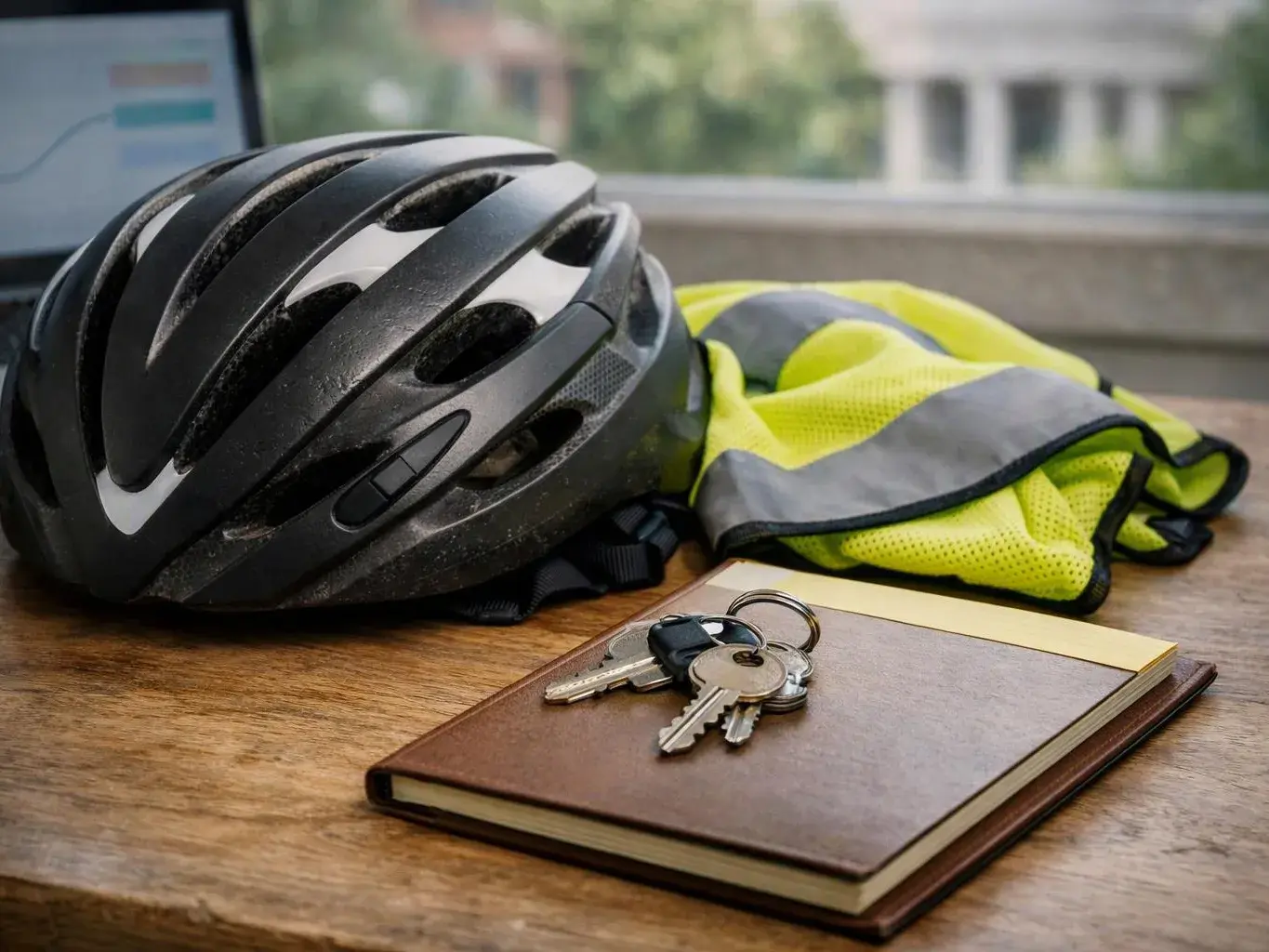
Helmet footage supports a bicycle accident claim when the recording is preserved and matched with other proof. Atlanta Auto Law reviews the file with the crash report, medical records, photographs, witness accounts, and insurance communications. We also assess whether traffic camera material or safety records add useful context. The full record helps guide negotiation, mediation, or trial planning.
What should I bring to the first consultation?
Crash records, medical documents, insurance messages, photographs, and witness details give the first consultation a useful starting point. Bring the bicycle damage information and any available recording in its original form. Missing medical records do not prevent a consultation, because our team can identify what still needs to be gathered.
Which part of the evidence decides the claim’s scope?
The injury record often sets the claim’s legal scope because it connects the crash to medical care and financial loss. Collision proof then helps address fault, while insurance records show the coverage position. Each part matters, so we compare the documents instead of relying on one account.
When should I speak with a lawyer after a bicycle crash?
A cyclist should seek legal guidance before giving a recorded insurance statement or accepting a settlement. Early review helps preserve files, identify witnesses, and request records while details remain available. In Redan, Georgia, our team can assess the crash facts and explain the next step during a consultation.
How does the claim move from the first call to the last step?
The claim moves from intake to evidence review, records gathering, insurance negotiation, and settlement or litigation. We first learn what happened and identify the available proof. Clients then receive guidance on the claim position, needed documents, and the legal path that fits the evidence.
What makes a bicycle claim different from a car accident claim?
A bicycle claim must address the rider’s vulnerability, bicycle damage, visibility, road conduct, and the force of the impact. The same insurance process can apply, but the evidence often needs a closer account of the rider’s position and the vehicle’s movement. Medical records remain central to the injury analysis.
Will the case go to court if the insurer refuses to settle?
A refused settlement does not automatically decide whether the case goes to court. We review the evidence, claim value, defenses, and litigation risks before recommending mediation or trial representation. Discovery may require records, written questions, and other case work before a final decision.