When a Workplace Injury May Involve Both Workers’ Compensation and a Third-Party Claim
Workers’ compensation and third-party injury claims may both apply when someone outside the employer caused a workplace injury. Atlanta Auto Law can assess the injury, the parties involved and how the claims may affect each other.
Request an EstimateWhat is the difference between workers’ compensation and a third-party claim?
Workers’ compensation generally provides benefits for covered work injuries without proof of fault. A third-party claim seeks damages from someone legally responsible for the injury.
Workers’ comp may cover medical benefits and part of your lost wages. A third-party injury claim may also seek losses such as pain and suffering, depending on state law. We review the available claims and the losses each may cover.
When might a workplace injury support both claims?
A workplace injury may support both claims when an outside party is legally responsible. Eligibility and liability depend on the facts and applicable law.
Each situation calls for a closer look at how the accident happened. We assess work-related coverage and whether an outside party may be liable.
Who may be responsible for a third-party workplace injury?
A driver, subcontractor, property owner or manufacturer may be responsible for a workplace injury. Atlanta Auto Law reviews each party’s role and conduct to assess a possible claim.
Employer immunity may limit lawsuits against an employer for a covered work injury. State-law exceptions may apply, and a party’s relationship to the employer can matter. We examine those rules before assessing who may face liability.
How can a defective product lead to a separate claim?
A product defect may support a separate claim if it contributed to a work injury. We examine how the equipment was designed, made or accompanied by warnings.
The product’s condition and how it was used can affect the claim. We review the available evidence to assess whether a manufacturer or another party may be responsible. Keep the equipment in its existing condition when you can do so safely, and tell us where it is.
How do workers’ compensation and third-party claims work together?
Workers’ compensation and third-party claims follow separate processes, but a later recovery may affect benefits. We review the applicable law and explain how the claims may interact.
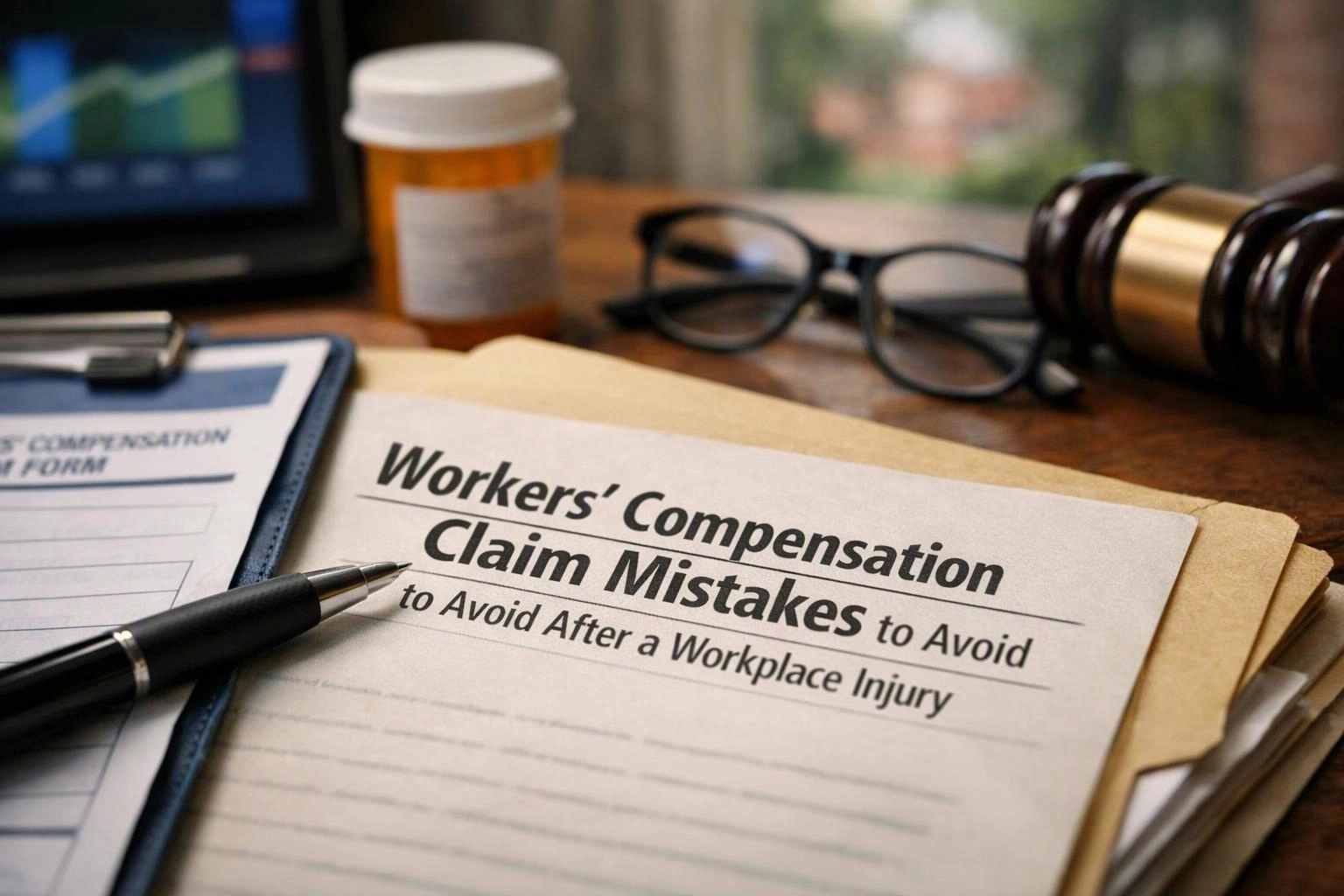
Our Workers’ Compensation Representation can address the benefits side of a work injury. We also assess how a separate liability claim may affect your recovery.
What evidence can matter in a workplace third-party claim?
Workplace third-party claims may depend on evidence showing how the injury happened and who was involved. We review available records and identify evidence that may need preservation.
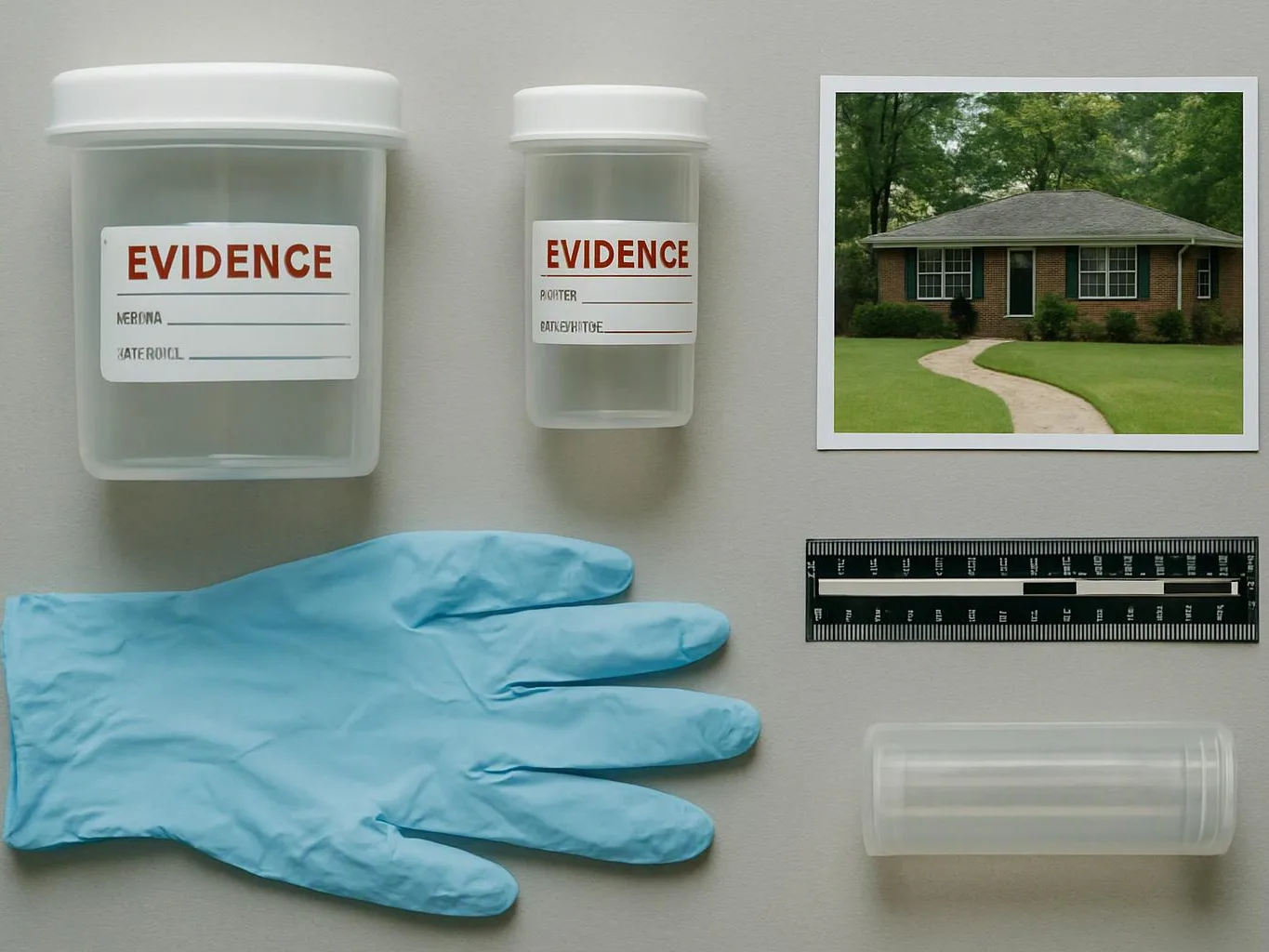
Incident reports and witness accounts can help establish what happened. Photographs may show the scene or equipment condition. Medical records can document the injury and treatment.
Evidence can change or disappear after a workplace accident. We assess what should be preserved and how it may help establish negligence or another basis for liability.
What should you discuss about a possible workplace injury claim?
A workplace injury discussion should cover the incident, possible responsible parties and benefits already received. We assess claim eligibility, applicable deadlines and possible reimbursement.
Tell us about your work duties and how the injury happened. We’ll review any claim deadline that may apply and explain how benefits could affect a recovery. Our Workplace Accident Representation addresses injuries that may involve a third party.
Contact Atlanta Auto Law to discuss your work injury and the claims that may be available.
Request a QuoteWhat Are the Key Specifications to Know?
- Topic Focus
- When a Workplace Injury May Involve Both Workers’ Compensation and a Third-Party Claim
- Related Core Service
- Workplace Accident Representation
- Evaluation Method
- On-Site Inspection & Written Scope
- Compliance Standard
- Local Building Code & Manufacturer Specs
How Does the Evaluation & Execution Process Compare?
| Evaluation Stage | Technical & Quality Criteria | Timeline Checkpoint |
|---|---|---|
| Initial Diagnostic & Assessment | Identify root cause, site constraints & code requirements | Before any work begins |
| Written Scope & Option Comparison | Compare repair vs. replacement tiers & material grades | Prior to project approval |
| Code-Compliant Execution | Follow manufacturer specs & local permitting standards | During active service |
| Final Verification & Walkthrough | Verify installation alignment, performance & clean site handoff | Upon project completion |