When to Contact a Personal Injury Attorney and What Happens Next
A personal injury attorney can protect your claim when fault, injuries, or insurers create risk and guide you through the next steps. Atlanta Auto Law reviews the incident, protects the claim, and explains what happens next.
Request an EstimateWhen Should You Contact a Personal Injury Attorney?
You should contact a personal injury attorney promptly when an injury is serious, fault is disputed, another party may be liable, an insurer requests a statement, or your recovery creates uncertainty about the claim.
A personal injury attorney helps an injured person understand legal rights before important decisions affect an injury claim. We review the facts, assess possible liability and negligence, and explain how the insurance company may respond.
Early legal guidance can also help preserve evidence and protect your position when an insurance adjuster seeks information. The statute of limitations may limit the time available to pursue a claim, so waiting can create unnecessary risk.
Situations That Call for Legal Guidance and Medical Care Together
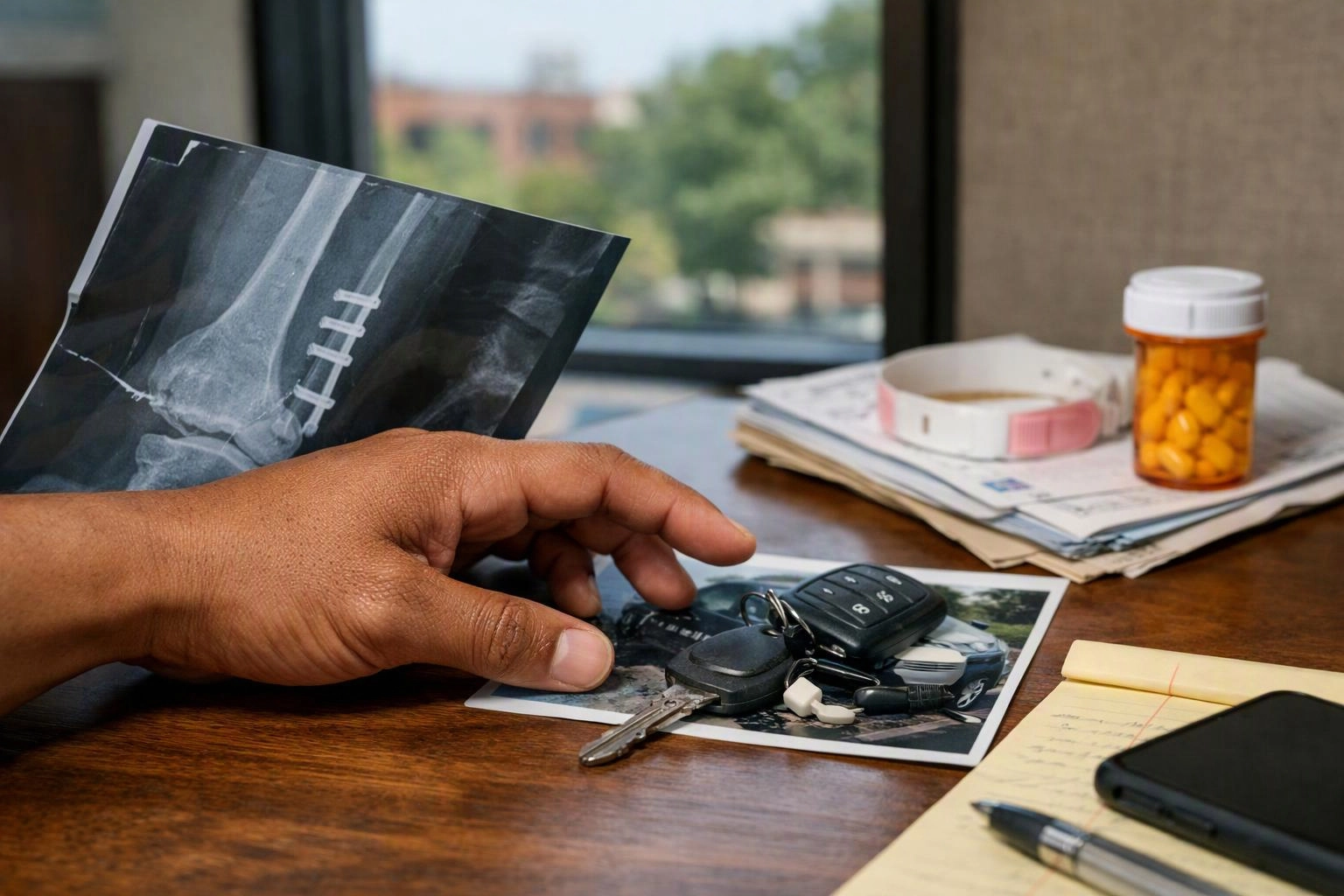
Medical treatment and a personal injury claim often affect each other, so both need careful attention after an injury. We help clients keep the legal process aligned with their medical documentation and recovery.
What Does a Personal Injury Attorney Do?
A personal injury attorney evaluates the claim, investigates liability, preserves evidence, handles insurer communication, seeks compensation, and prepares the case for litigation when necessary.
Our claim evaluation considers the incident, the liable party, available insurance, medical records, lost wages, and the effect of the injury on daily life. We investigate negligence by reviewing reports, photographs, witness information, physical evidence, and written communications.
We also manage insurance negotiations and respond to requests from the insurance company. If a fair settlement cannot be reached, we can prepare a settlement demand and pursue civil litigation through a lawsuit and court filing when the case supports that step.
Our work may involve evidence preservation, a complaint, discovery, and trial preparation. The legal strategy depends on the facts, the damages, and the response from the opposing party.
How Legal Representation and Medical Treatment Work Together
Medical treatment creates information that can help explain the injury, while legal representation protects how that information is used in the claim. We coordinate the legal process around the treatment plan without directing medical care.
Medical care should remain focused on recovery, while we use accurate records to develop the legal claim. Complete and consistent documentation can make insurance negotiations clearer and reduce avoidable disputes.
What Happens After You Contact a Personal Injury Attorney?
After you contact a personal injury attorney, the attorney gathers facts, assesses potential claims, explains representation, protects evidence, manages insurer communication, and develops a resolution strategy.
The process is not the same for every injured person. We explain the legal strategy as the evidence, medical treatment, and insurance response become clearer.
What Information Should You Bring to the Consultation?
Useful consultation materials include records and communications that show what happened, who may be responsible, and how the injury affected you. Do not delay a legal consultation because you do not have every document.
Bring a short description of what happened and a list of symptoms or missed work. Our team can help identify the remaining evidence during the case evaluation.
How Atlanta Auto Law Approach a Personal Injury Claim?
Atlanta Auto Law approaches personal injury representation through a focused case review, evidence preservation, clear client communication, and deliberate insurance negotiations.
We begin by organizing the facts and identifying the issues that may affect liability, negligence, damages, and available compensation. Our team works to preserve useful evidence and connect medical documentation to the injury claim.
We explain each significant step in plain language and keep communication focused on your client rights and legal strategy. When settlement is possible, we develop the claim for negotiation; when litigation is necessary, we prepare the case for the court process.
What Can Change the Cost of Personal Injury Representation?
The cost of personal injury representation depends on the claim's complexity, disputed liability, injury-related issues, evidence, negotiations, and whether litigation becomes necessary; Atlanta Auto Law explains the fee arrangement during the consultation.
Case complexity may increase when several parties, insurance policies, or legal issues are involved. A liability dispute may require deeper investigation, additional evidence, and more extensive negotiations.
Injury severity and the course of medical treatment can affect the records and damages that must be reviewed. Evidence volume can also change the work needed to organize reports, photographs, medical records, witness information, and communications.
We offer Free Consultations so we can discuss the claim and explain the representation terms. Contact us for an exact explanation of how the proposed representation would apply to your situation.
What Should You Avoid Before Speaking With an Attorney?
Before speaking with an attorney, avoid statements or actions that could weaken the injury claim or interfere with evidence preservation. You can protect your position by keeping communications and records organized.
These steps do not replace medical care or legal advice. We can review what has already happened and explain the safest next step for the claim.
Questions About Contacting a Personal Injury Attorney
Can I contact a personal injury attorney before I finish medical treatment?
Yes, you can contact a personal injury attorney before medical treatment ends. Atlanta Auto Law can review the incident, help protect the claim, and explain how ongoing treatment and medical documentation may affect the case.
Should I speak with the insurance company before contacting an attorney?
No, you do not have to speak with the insurance company before seeking legal guidance. An insurance adjuster may request a recorded statement or documents that affect the claim, so consider getting advice before responding.
What happens if the other party denies fault?
If the other party denies fault, the claim requires a careful liability investigation. We review reports, witness information, photographs, medical documentation, communications, and other evidence before developing a negotiation or litigation strategy.
Can a personal injury attorney help if I was partly responsible for the injury?
Yes, a personal injury attorney can review a claim even when you may have shared responsibility. The effect of partial responsibility depends on the facts, applicable law, evidence, and how liability is assigned.
What documents should I keep after an accident?
Keep accident reports, medical records, medical bills, insurance communications, photographs, witness information, work records, and written communications. These documents can help show what happened and how the injury affected your life.
Personal injury representation can help protect your claim when medical treatment, disputed fault, or insurer pressure creates uncertainty. Contact Atlanta Auto Law for a case review and guidance about your next step.
Contact Atlanta Auto Law