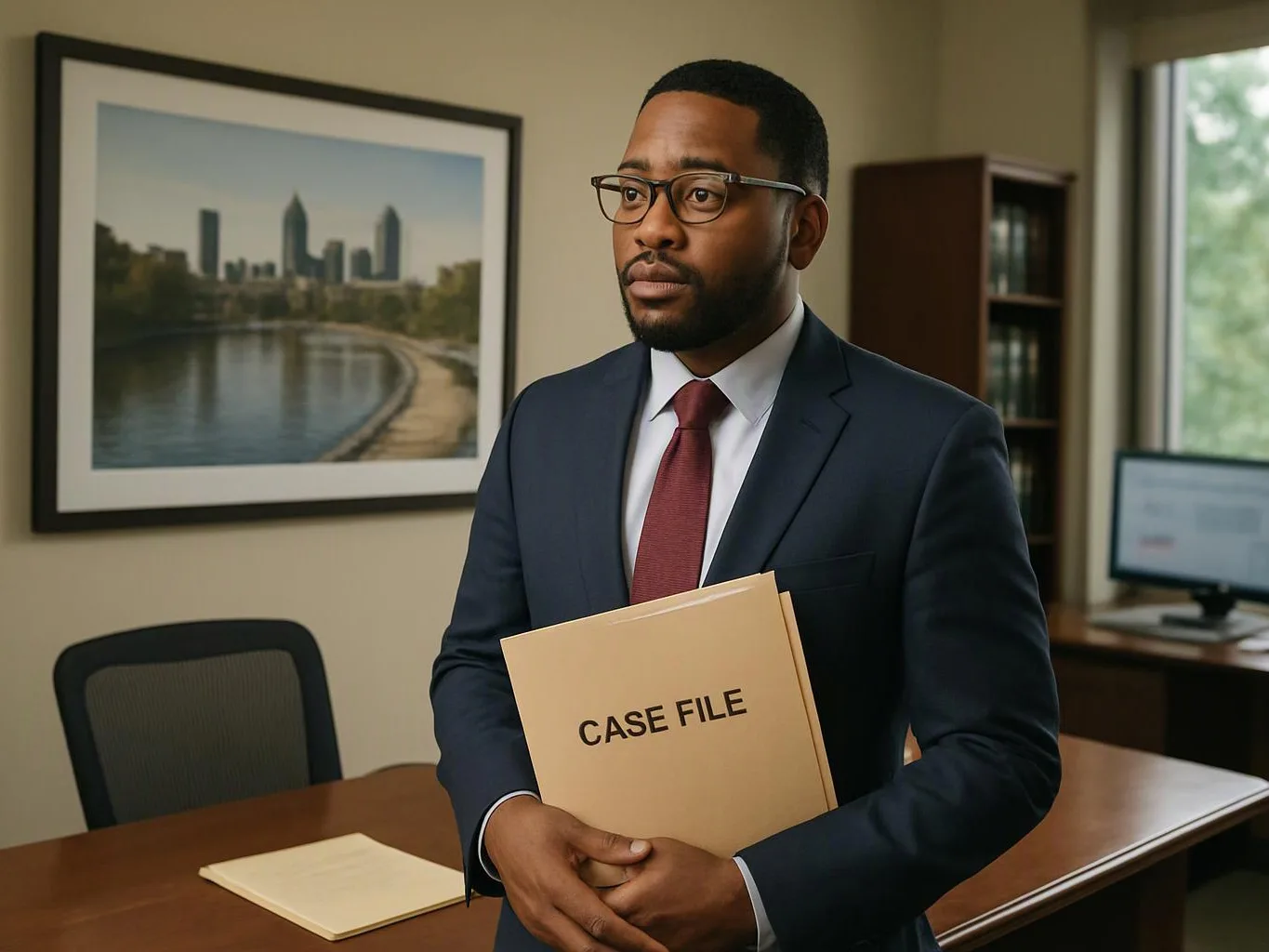
Preparing Premises, Dog Bite, Sexual Assault, and Child Injury Claims
Preparing injury claims involving premises, animals, or intentional harm requires timely evidence collection, medical documentation, incident records, and careful handling of communications. Atlanta Auto Law reviews these materials during Free Consultations and helps organize the facts for the appropriate representation.
Request an EstimateWhat Should You Do After an Injury Caused by a Premises Hazard?
Premises liability claim preparation should begin with medical care, hazard documentation, incident reporting, witness identification, and preservation of relevant records. Atlanta Auto Law reviews these facts during a Free Consultation and helps assess whether a property owner or property manager may have responsibility for a hazardous condition.
Medical records help connect the event to your physical injuries and treatment. An incident report can preserve the property’s account of what happened, while witness information may help establish notice, causation, or negligence.
What Evidence Helps Document a Slip and Fall?
How Do You Prepare a Dog Bite Injury Claim?
A dog bite claim is prepared by documenting the attack, identifying the animal and owner, obtaining relevant animal-control information, and preserving medical evidence. Our team evaluates the available facts to identify the responsible party and understand how the injury occurred.
Wound documentation can help show the nature and progression of the injury. Medical treatment records may also support claims for physical injuries, emotional harm, and financial losses connected to the attack.
What Should You Consider When Seeking Sexual Assault Representation?
Sexual assault representation should account for survivor safety, privacy, trauma-related effects, available evidence, and the distinction between civil claims and criminal proceedings. Atlanta Auto Law approaches these matters with careful communication and reviews whether an intentional harm claim may support a civil injury claim.
A law enforcement report and medical records may provide important documentation, but a civil claim does not require the same purpose or process as a criminal case. Digital evidence, communications, and witness accounts may also help establish what happened and the resulting damages.
Privacy and control over sensitive information are important parts of case preparation. We discuss the available records, the survivor’s goals, and the steps needed to protect relevant evidence during legal review.
Which Records Can Support a Sexual Assault Injury Claim?
How Do You Prepare a Child Injury Claim?
A child injury claim should document the child’s condition, treatment, supervision circumstances, effect on daily activities, and the parent or legal guardian’s role. Our team reviews school or childcare records, medical care, and preservation issues to evaluate responsibility and causation.
Supervision records may help show who was responsible for the child and what safeguards were in place. Medical records can document treatment and developmental effects, while notes about changes in school, sleep, activities, or behavior may help describe the injury’s broader impact.
A parent or legal guardian usually helps organize records and make decisions for the child’s claim. We identify the proper legal role, preserve relevant evidence, and explain how the child’s needs affect case preparation.
What Documents Should You Organize Before a Claim Review?
Claim documentation should connect the incident to the injury, identify responsible parties, show treatment, and preserve communications about the event. Organizing records before a claim review helps our team evaluate liability, damages, and the available evidence.
Keep original materials when possible and preserve digital files in their original form. The following documents may help establish the facts of a civil claim.
| Document or record | How it may help |
|---|---|
| Medical bills | Shows treatment-related charges and potential economic damages. |
| Medical records | Connects the incident to diagnoses, care, symptoms, and physical injuries. |
| Photographs | Preserves the scene, visible conditions, property damage, or injuries. |
| Incident reports | Records how a property, business, school, childcare provider, or agency documented the event. |
| Witness contacts | Provides leads for people who observed the incident or its effects. |
| Insurance correspondence | Preserves communications from an insurer or insurance adjuster about the claim. |
| Employment records | May document missed work, changed duties, or other financial losses. |
| Communications | Preserves messages, emails, and other statements related to the incident or injury. |
How Does Atlanta Auto Law Review These Injury Claims?
Atlanta Auto Law reviews the incident facts, available evidence, injury documentation, responsible-party issues, and claim objectives to determine how the matter should be prepared. We use the claim review to organize the evidence and identify issues involving liability, negligence, causation, and damages.
Our team may assess premises liability representation, dog bite injury representation, sexual assault representation, or child injury representation based on the facts. We also review medical records, incident documentation, witness information, insurance correspondence, and communications that may affect the civil claim.
Case preparation should reflect the person’s injuries, emotional harm, financial losses, and goals. We explain the available legal representation and the next steps that fit the evidence and the responsible-party issues.

What Should You Avoid After an Injury Incident?
Injury claim preparation should avoid deleting evidence, speculating about fault, discussing private facts publicly, or making statements without understanding their legal consequences. Careful communication helps protect privacy and supports evidence preservation.
Questions About Preparing Injury Claims
What evidence should I preserve after a premises injury?
Atlanta Auto Law recommends preserving scene photographs, surveillance information, witness contacts, clothing and footwear, the incident report, and medical records. These materials may help show the hazardous condition, notice, causation, and the resulting injuries.
Can a dog bite claim include emotional harm?
Yes, a dog bite claim can include emotional harm when the available evidence connects that harm to the attack. Medical treatment records, counseling records, witness information, and descriptions of ongoing effects may help document the claim.
What is the difference between a criminal case and a civil sexual assault claim?
A criminal case is brought by the government and focuses on alleged criminal conduct, while a civil sexual assault claim seeks a legal remedy for the survivor’s injuries and losses. The proceedings can involve different purposes, standards, parties, and available remedies.
Who can pursue a claim for a child’s injury?
A parent or legal guardian generally helps pursue and manage a child injury claim, subject to the applicable law and the facts of the matter. Atlanta Auto Law reviews the child’s legal relationship, the responsible party, medical evidence, and the effect of the injury before advising on case preparation.
Should I give an insurance company a recorded statement after an injury?
You should understand the purpose and potential effect of a recorded statement before giving one. An insurance adjuster may use the statement during claim review, so we recommend legal guidance before discussing fault, symptoms, or private facts on the record.
Atlanta Auto Law provides Free Consultations to review injury claim preparation, evidence preservation, responsible-party issues, and available legal representation. Contact us to organize the facts and discuss the appropriate next step.
Contact Atlanta Auto LawRelated Resources
How Personal Injury Attorney Fees and Agreements Work
Everything About ItHow to Prepare for a Personal Injury Attorney Consultation
Everything About ItHow to Prepare a Car Accident Claim and Attorney Consultation
Everything About ItPreparing a Workplace or Construction Accident Claim