Preparing Medical Error, Birth Injury, and Medical Product Injury Claims
Preparing a medical negligence or medical product injury claim means preserving records, building a clear timeline, identifying the people and products involved, and documenting the harm. Atlanta Auto Law reviews these materials with you, explains potential claim issues, and identifies the information needed for next steps.
Request an EstimateWhat Should You Gather Before Discussing a Medical Injury Claim?
Medical injury claim preparation begins with gathering records that connect the treatment, product, event, injury, and resulting losses. We use these materials to understand the treatment history and identify possible issues with medical negligence, medical malpractice, or product liability.
Atlanta Auto Law organizes the materials you bring so the key facts are easier to review. We also identify records that may need to be requested from a healthcare provider, hospital, pharmacy, or manufacturer.
How Do You Build a Clear Timeline of the Medical Event?
A medical event timeline places symptoms, treatment, communications, and complications in chronological order so the important changes are easier to evaluate. We compare your account with the available records to examine medical causation and possible departures from the standard of care.
Start with the person’s condition before the event. Add symptoms, diagnosis, treatment, medication administration, surgery, device use, and follow-up care in the order they occurred.
Include communications with clinicians, hospitals, pharmacies, and insurers. Note when symptoms changed, when concerns were reported, and what treatment followed each change.
Keep the timeline factual and separate direct memory from information learned from records. We use that distinction when reviewing causation, liability, and the conduct of potential defendants.
What Evidence Can Support a Medical Negligence or Product Injury Claim?
Medical negligence and product injury claims may rely on records that show what was planned, what occurred, and what happened afterward. We preserve the available evidence before it is altered, discarded, or separated from the event.
Our team evaluates how each item relates to breach of duty, causation, and damages. The available evidence may also help identify whether the matter involves a healthcare provider, hospital, pharmacy, drug manufacturer, or medical device manufacturer.
What Questions Should You Ask About Birth Injury Representation?
Birth injury representation should address the child’s medical history, the events during pregnancy and delivery, the evidence available, and the child’s current and future care needs.
Ask how the review will address prenatal care, labor and delivery, fetal monitoring, newborn records, and neonatal care. These materials may show the sequence of warning signs, decisions, communications, and treatment.
Ask how the claim will evaluate possible medical negligence and medical causation. A birth injury claim may involve questions about the standard of care, delayed treatment, informed consent, or the actions of more than one potential defendant.
Discuss the child’s current condition and long-term care needs. Records about therapy, equipment, education, assistance, and future medical care can help document damages and the support the child may need.
Our Birth Injury Representation work begins with organizing the child’s records and the family’s account. We explain which questions require further medical review and which documents can help answer them.
What Should You Discuss About a Surgical Error?
A surgical error discussion should cover the planned procedure, what occurred during surgery, the records documenting the event, and the treatment required afterward.
Bring the operative report, surgical consent, anesthesia record, imaging, discharge instructions, and records of postoperative complications. These documents can help show the intended procedure and the care delivered.
Discuss whether the concern involves wrong-site surgery, a retained surgical item, an anesthesia problem, an unexpected injury, or another error. We compare the planned procedure with the operative record and the subsequent medical treatment.
Postoperative complications may require additional surgery, extended treatment, rehabilitation, or changes in daily activities. Our Surgical Error Representation review considers how those consequences relate to causation and damages.
How Should You Organize a Medication Error Claim?
Medication error claim preparation requires matching the prescription, dispensing information, administration history, symptoms, and subsequent treatment. We organize the records to examine whether the issue concerns prescribing, dispensing, labeling, dosage, administration, or a drug interaction.

We compare the prescription, pharmacy records, and treatment history with the reported symptoms. That review can help separate a medication error claim from a dangerous drug injury claim and identify potential defendants.
What Should You Know Before Discussing a Medical Product Injury?
Medical product injury preparation depends on identifying the product, preserving product evidence, documenting its use, and recording the injury and medical response.
Product liability may involve a defective medical device, a dangerous drug, a manufacturing defect, a design defect, or a failure to warn. We examine the product’s identity, instructions, warnings, condition, and connection to the medical treatment.
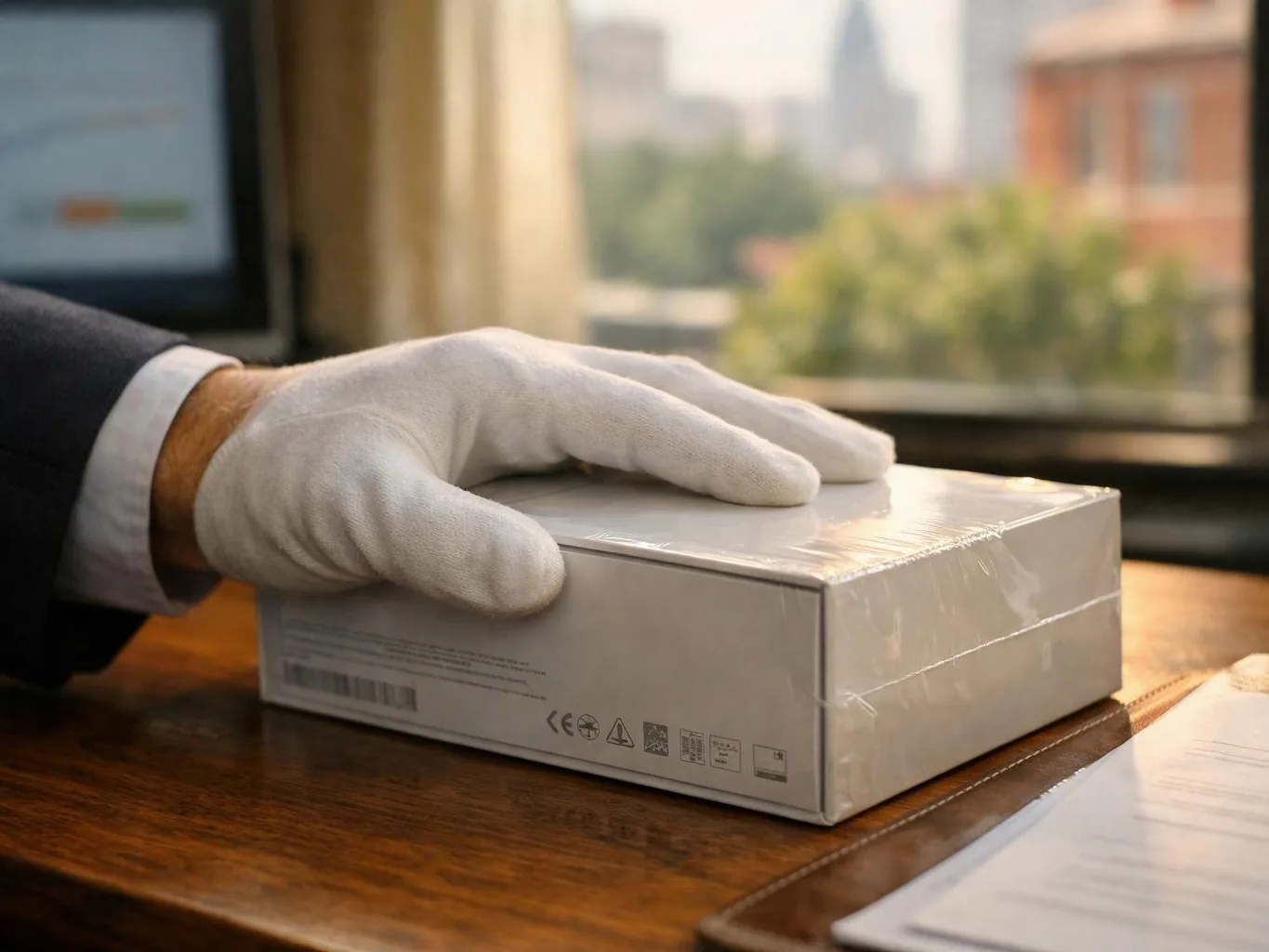
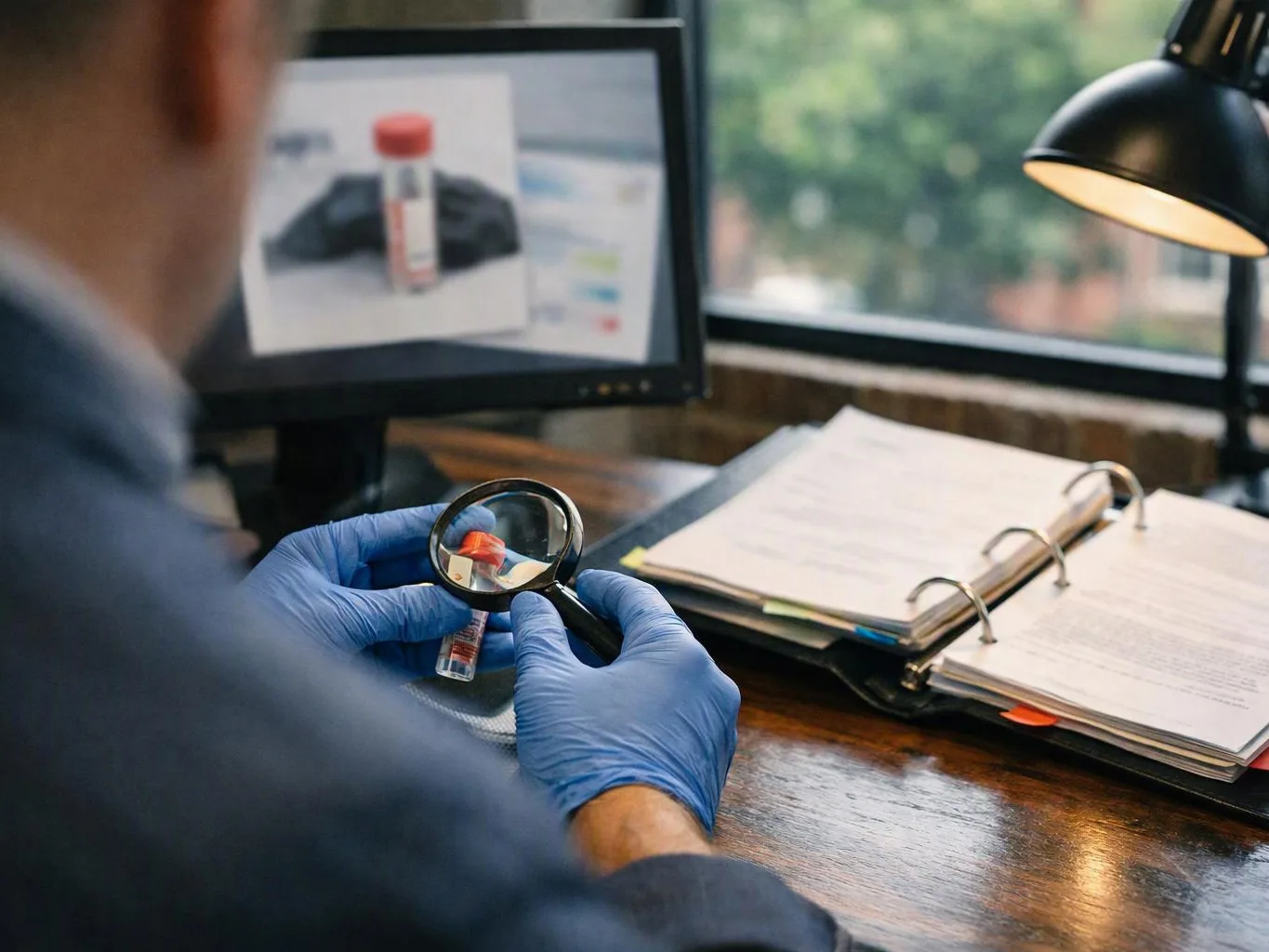
Keep the product, packaging, labels, implant information, prescriptions, and related communications when possible. Do not clean, repair, modify, or discard an item that may help show a device failure or product condition.
Recall information can help place a product concern in context, but a recall alone does not establish causation or liability. We review how the product was used, what injury occurred, and what medical response followed.
How Does Atlanta Auto Law Review the Information You Bring?
Atlanta Auto Law reviews the available records and facts to organize the event, identify potential negligence or product-liability issues, and explain the information needed for further evaluation.
We begin with claim evaluation and medical records review. We build the incident timeline, identify missing records, and preserve evidence that may be important to the legal matter.
Our team then examines causation, liability, and damages. This review may include the standard of care, breach of duty, medical causation, injury consequences, lost income, pain and suffering, and future medical care.
Legal consultation can also address the identity of potential defendants and issues such as the statute of limitations. We explain what the current materials show and what further review may be needed before a claim decision is made.
What Should You Avoid Doing Before a Claim Is Reviewed?
Evidence preservation protects information that may help explain the event, the product, the treatment, and the resulting injury. We recommend keeping original materials together and recording where each item came from.
Our team can explain how to organize these materials for review. Medical follow-up remains important because current treatment records may document both the injury and its consequences.
How Can You Prepare for a Medical Injury Consultation?
A medical injury consultation is more useful when you bring a concise event summary, relevant records, a medication list, questions, and documentation of the injury’s consequences.
Prepare a case summary that identifies the treatment, product, event, symptoms, diagnosis, and care that followed. Include the names of healthcare providers, hospitals, pharmacies, manufacturers, and other potential defendants.
Bring your medical history, prescription history, billing records, photographs, work records, and claim documents. A clear list of questions for counsel can help you discuss evidence preservation, causation, damages, and possible next steps.
Our team reviews the materials you provide and explains how they relate to the legal matter. Atlanta Auto Law offers Free Consultations for people seeking to discuss a potential medical injury claim.
Questions About Preparing Medical Injury Claims
What medical records are important for a medical negligence claim?
Atlanta Auto Law reviews treatment notes, test results, medication records, operative reports, consent forms, discharge instructions, follow-up records, and billing records. The most useful records usually show the patient’s condition, the care provided, the change in condition, and the treatment that followed.
Should you keep the medication or medical device involved in an injury?
Yes, keep the medication, packaging, labels, device, and product records when it is safe and practical to do so. Do not modify or discard the item because its condition may help with product identification and evidence preservation.
What information helps show that a medical error caused an injury?
A clear timeline, complete medical records, symptom changes, treatment after the event, witness information, and expert review can help examine medical causation. The review must connect the alleged error to the injury and account for other possible causes.
Can a family member prepare materials for a birth injury consultation?
Yes, a family member can organize prenatal records, labor and delivery records, newborn records, fetal monitoring information, neonatal care records, and notes about the child’s current needs. The family member should identify what was personally observed and what was learned from medical records.
What should you bring to a dangerous drug injury consultation?
Bring prescription history, pharmacy records, medication packaging, dosage instructions, treatment records, symptom notes, and information about the prescribing clinician. Include records of the adverse drug reaction and medical care that followed.
How do you identify the manufacturer of a defective medical device?
Check the implant card, device label, packaging, operative report, hospital records, invoices, and recall notices for the manufacturer and product identifiers. Preserve each document because the model, lot, serial, or catalog information may help identify the product involved.
Medical injury claim preparation is easier when records, products, timelines, and questions are organized before legal review. Contact Atlanta Auto Law to discuss the available information and request a consultation.
Related Resources
How Personal Injury Attorney Fees and Agreements Work
Everything About ItHow to Prepare for a Personal Injury Attorney Consultation
Everything About ItHow to Prepare a Car Accident Claim and Attorney Consultation
Everything About ItPreparing a Workplace or Construction Accident Claim