
What Is a Personal Injury Claim?
A personal injury claim is a legal demand for compensation after another party’s conduct causes physical harm, emotional distress, or related losses. The claim identifies who may be responsible, connects the conduct to the injury, documents damages, and seeks payment through negotiation or a lawsuit. A claim may resolve without trial.
Quick Facts About Personal Injury Claim
Category
Civil legal claim
Used for
Seeking compensation after an injury
Common confusion
A claim does not always become a lawsuit
Also called
injury claim, personal injury case
Often discussed with
Car Accident Representation
Key Takeaways About Personal Injury Claim
- A claim addresses harm, responsibility, and resulting losses.
- Evidence connects the accident to the injury and requested compensation.
- A claim is not the same as a lawsuit.
How Personal Injury Claim Works
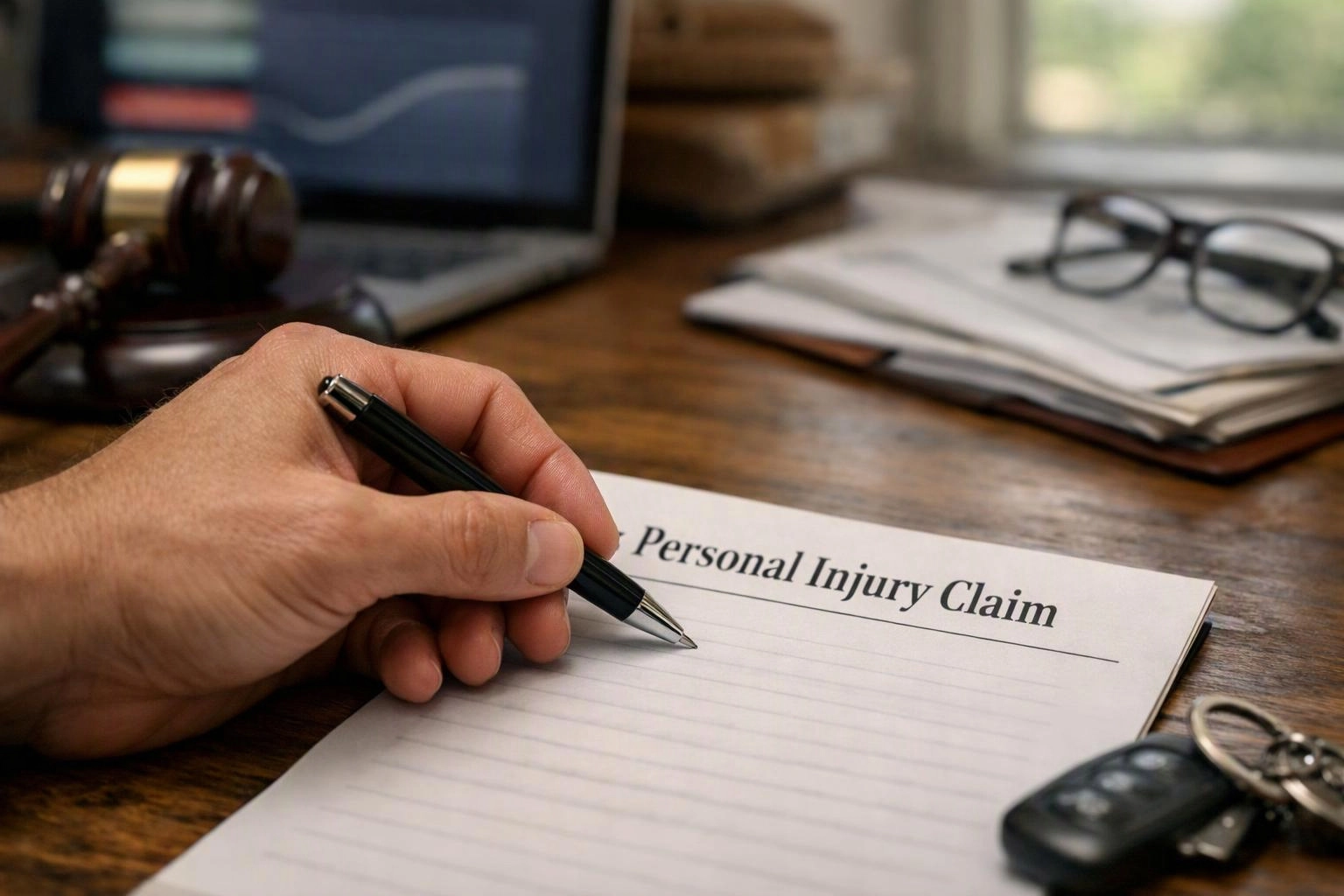
A personal injury claim begins when an injured person or representative asserts that another party caused harm. The available evidence may include accident reports, medical records, witness accounts, photographs, and insurance information. Those materials help establish responsibility, connect the event to the injury, and describe financial and personal losses.
Related glossary terms: Liability, Causation, Damages.
The claim is usually presented to an insurer or opposing party through a demand and supporting records. Negotiations may lead to a settlement, while an unresolved dispute can proceed to court. Negligence concerns the conduct that caused the accident, while damages describe the losses connected to the injury. The claim’s strength depends on the proof supporting each part.
From the Atlanta Auto Law team
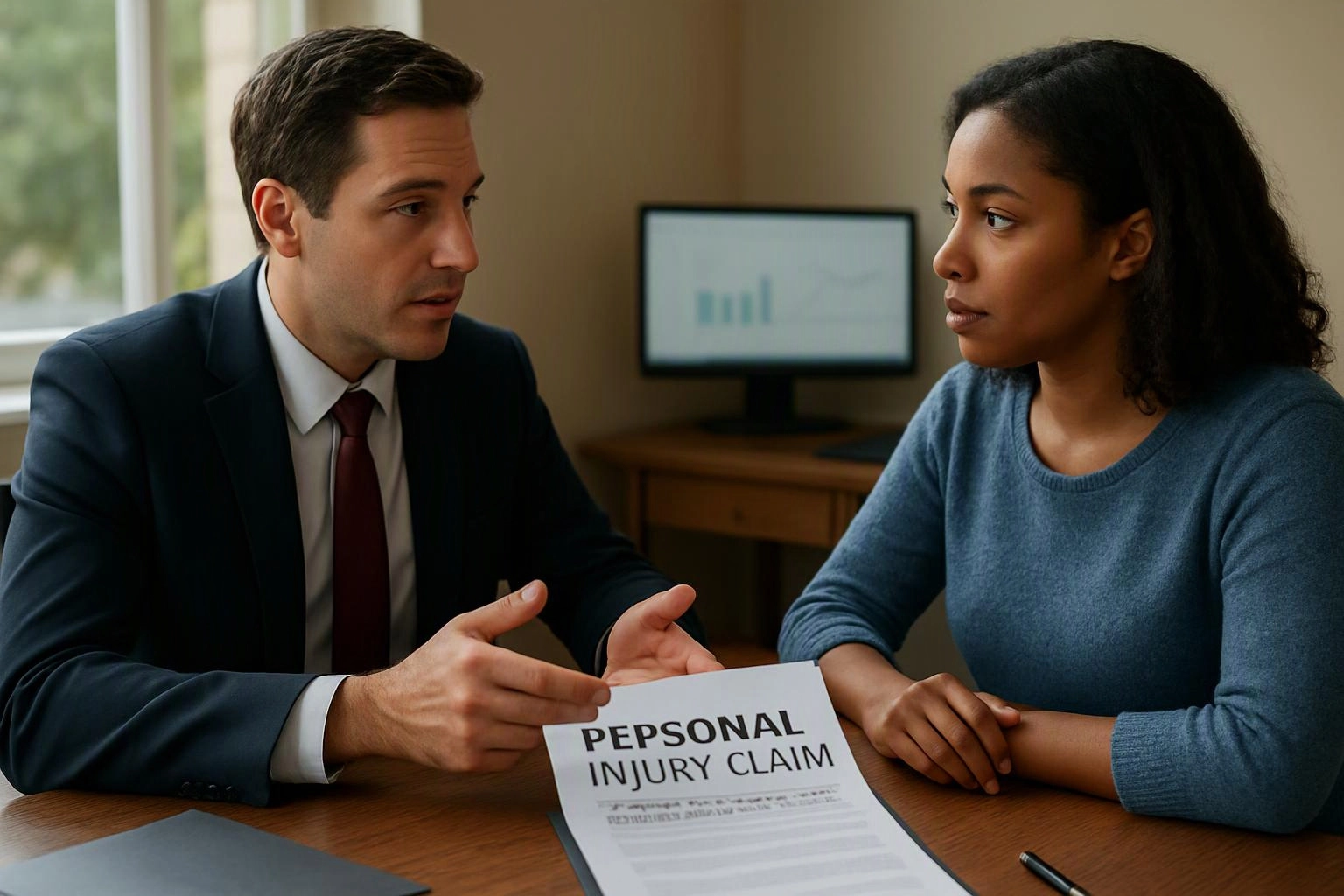
When we handle a car accident claim, we organize the accident facts, medical records, insurance information, and evidence of losses. We also examine how the reported injuries connect to the collision and assess whether the available proof supports responsibility and the requested compensation. Our review keeps the claim grounded in documented facts.
Personal Injury Claim in Practice: A Real-World Example
After a driver causes a collision, the injured person may submit a personal injury claim supported by the crash report, medical records, photographs, and wage information. The claim may seek compensation through an insurance settlement or through court proceedings if negotiations do not resolve the dispute.
Related Services
Related Terms
Liability
Liability is legal responsibility for harm, loss, or damage caused by a person, business, or other…
Causation
Causation is the connection between an act or omission and the harm that follows. In a…
Damages
Damages are the monetary compensation sought or awarded in a personal injury claim for losses caused…
Demand Letter
A demand letter is a formal written request for payment sent to an insurer or responsible…
Atlanta Auto Law
Have Questions About Personal Injury Claim?
Contact Atlanta Auto Law for practical guidance on Personal Injury Claim and related personal injury attorney work in Georgia.